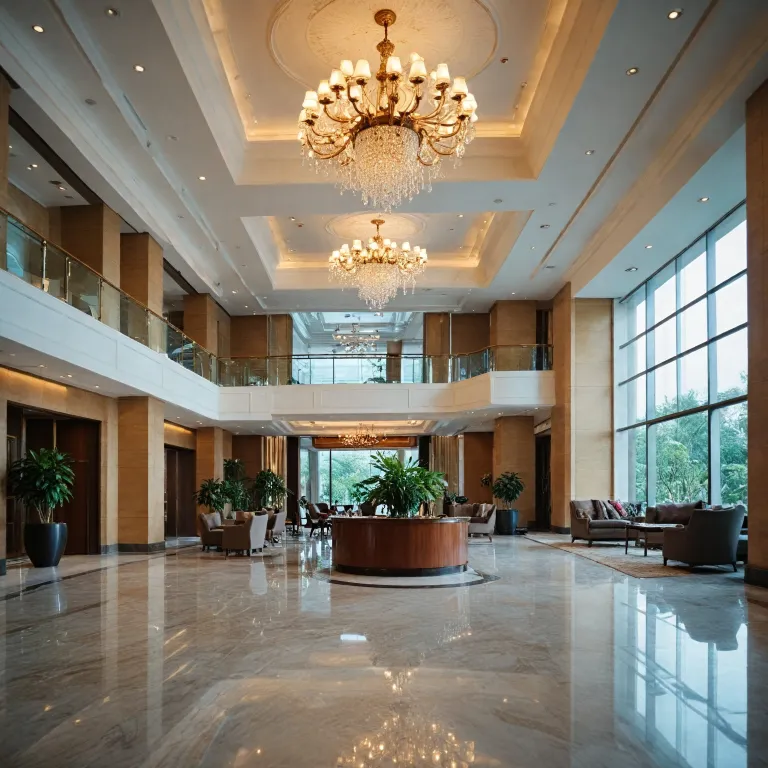
Defining luxury: how premium hotel chains in China set new standards
Premium hotel chains in China have transformed the hospitality landscape, blending international expertise with local culture. The presence of renowned brands such as Marriott, Hyatt, and Intercontinental Hotels has elevated expectations for luxury hotels and resorts. These hotel chains offer a diverse range of suites, exclusive rates, and tailored experiences, making them the preferred choice for discerning travelers seeking refined comfort.
China’s major cities, including Beijing, Shanghai, and Hong Kong, are home to a concentration of luxury hotels and resorts. The hotel group landscape is marked by both international and domestic players, such as Jin Jiang and Shangri-La Group, who compete to deliver exceptional service and amenities. The integration of smart technologies and sustainable practices is now a hallmark of premium hotel chains in China, reflecting a commitment to innovation and environmental responsibility.
With over 1,500 luxury chain-branded hotels, the market is highly competitive. Guests can expect a seamless blend of modern design, cultural authenticity, and world-class hospitality at every hotel and resort. The focus on customer satisfaction and operational efficiency is reinforced by the adoption of AI-driven analytics, ensuring that each stay meets the highest standards of excellence.
International expansion and local adaptation: the evolving face of hotel chains
International hotel chains have rapidly expanded their presence in China, moving beyond first-tier cities to establish hotels and resorts in emerging destinations. Brands like Marriott, Hyatt Hotels, and Intercontinental Hotels have introduced their signature luxury suites and resort experiences to a broader audience. This expansion is complemented by the rise of local giants such as Jin Jiang and Minor Hotels, who leverage their understanding of Chinese preferences to create unique offerings.
Adaptation to local tastes is essential for success in China’s premium hotel sector. Hotel chains invest in staff training, culinary innovation, and cultural programming to ensure that their hotels and resorts resonate with both domestic and international guests. The integration of traditional Chinese elements into the design and service philosophy sets these hotels apart from their global counterparts.
For travelers, the variety of hotel chains and resorts means more choices and competitive rates. Loyalty programs offered by hotel groups such as Marriott, Hyatt, and Jin Jiang provide additional value, encouraging repeat stays and fostering brand loyalty. For more insights on the evolution of premium hotel chains in China, explore this comprehensive guide on luxury hotel group strategies.
Smart technology and sustainability: the new pillars of luxury hotels
Premium hotel chains in China are at the forefront of integrating smart technologies to enhance guest experiences. From AI-powered concierge services to automated room controls, hotels and resorts are redefining convenience and personalization. These innovations are particularly evident in international hotel chains such as Hyatt Hotels, Marriott, and Intercontinental Hotels, who continuously invest in digital transformation.
Sustainability is another key focus for luxury hotels and resorts in China. Hotel groups implement eco-friendly practices, such as energy-efficient lighting, water conservation, and waste reduction programs. The Banyan Tree and Mandarin Oriental brands are recognized for their commitment to environmental stewardship, setting benchmarks for the industry.
Travelers increasingly seek hotels and resorts that align with their values, making sustainability a competitive advantage. The adoption of green technologies and responsible sourcing enhances the reputation of hotel chains and attracts environmentally conscious guests. For a detailed look at how technology and sustainability are shaping the future of premium hotel chains in China, visit our sustainability in luxury hotels resource.
Signature experiences: what sets premium hotels and resorts apart
Luxury hotels and resorts in China distinguish themselves through curated experiences that go beyond accommodation. Signature spa treatments, exclusive culinary events, and personalized excursions are hallmarks of premium hotel chains such as Ritz Carlton, Park Hyatt, and Banyan Tree. These offerings cater to guests seeking memorable moments and exceptional service.
Hotel suites are designed with meticulous attention to detail, featuring panoramic views of city skylines or tranquil resort landscapes. In Shanghai China, hotels like Mandarin Oriental and Hyatt Hotels offer suites with bespoke amenities and private lounges, ensuring privacy and comfort. The integration of local art and culture into hotel design creates a sense of place and authenticity.
Resorts in destinations such as Sanya and Lijiang provide immersive experiences, from wellness retreats to adventure activities. Hotel chains collaborate with local artisans and chefs to deliver unique programs that reflect the diversity of China. For travelers planning their next stay, booking through a reputable hotel group ensures access to exclusive offers and the highest standards of luxury.
Booking strategies: maximizing value with premium hotel chains in China
Securing the best rates and experiences at luxury hotels and resorts in China requires strategic planning. It is advisable to book accommodations well in advance, especially during peak travel seasons, to access the widest selection of suites and resort packages. Many hotel chains, including Marriott, Hyatt, and Jin Jiang, offer loyalty programs that provide added benefits such as room upgrades, late check-out, and exclusive offers.
Travelers should consider the location of hotels and resorts in relation to planned activities, optimizing travel time and convenience. In cities like Beijing and Shanghai, proximity to cultural landmarks and business districts enhances the overall experience. Hotel groups often provide detailed information on their websites, making it easier to compare rates and amenities across different properties. By leveraging loyalty programs and researching hotel group offerings, guests can maximize value and enjoy a seamless booking process.
Industry recognition and the future of premium hotel chains in China
The Chinese hospitality industry is characterized by rapid growth and increasing competition among premium hotel chains. Annual industry awards recognize excellence in service, innovation, and sustainability, guiding consumers toward the best hotels and resorts. According to the 2025 awards, Shangri-La Group was recognized as the Best Luxury Hotel Brand in China.
Comprehensive evaluation methods, including customer satisfaction surveys and expert panel reviews, ensure that only the top-performing hotel chains receive accolades. The incorporation of AI-driven analytics further enhances the assessment process, promoting transparency and accountability. These initiatives set benchmarks for quality and inspire hotel groups to continually raise their standards.
As international and domestic hotel chains expand into second and third-tier cities, the focus on innovation and sustainability will shape the future of luxury hotels in China. The expected impact is improved service quality and increased consumer trust in recognized brands. The ongoing evolution of premium hotel chains in China promises new opportunities for travelers and industry professionals alike.
Key statistics: the landscape of premium hotel chains in China
- Number of luxury chain-branded hotels in China: 1,500 hotels
- Market share of leading chain hotel brands in China: 15 percent
Frequently asked questions about premium hotel chains in China
Which is the best luxury hotel brand in China?
According to the 2025 awards, Shangri-La Group was recognized as the Best Luxury Hotel Brand in China.
How many luxury chain hotels are there in China?
As of 2023, there were approximately 1,500 luxury chain-branded hotels in China.
What are the current trends in China's luxury hotel industry?
Current trends include the expansion of international brands into smaller cities, the adoption of smart technologies, and a focus on sustainability.