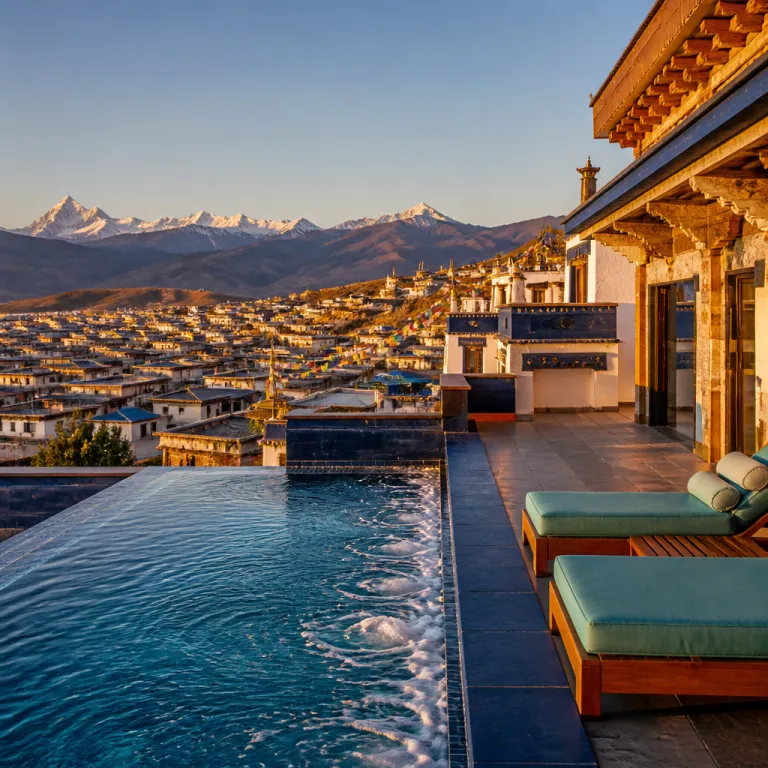
Shangri la city Yunnan as a highland luxury base
Shangri-La City in Yunnan sits at about 3,200 meters, giving every stay a rare highland clarity. This elevated city in northern Yunnan Province forms the gateway between refined Chinese hospitality and the vast Tibetan plateau. Luxury travelers use Shangri-La as a calm base before or after journeys to Lijiang, Tiger Leaping Gorge, or the Jade Dragon Snow Mountain region.
The local administration, led by the Shangri-La City Government within Diqing Tibetan Autonomous Prefecture, has invested heavily in tourism infrastructure. Those policies transformed a once remote county town into a polished city with premium hotels, a modern bus station, and improved access roads. At the same time, the region remains officially part of the Diqing Tibetan Autonomous Prefecture, which helps preserve Tibetan culture while welcoming upscale visitors.
Shangri-La City Yunnan was renamed from Zhongdian in 2001 to leverage the mythical idea of Shangri-La, and that branding now underpins many luxury hotel concepts. The renaming was formally approved by the State Council of the People’s Republic of China, and tourism statistics from Yunnan Provincial authorities show a marked rise in visitor numbers in the years that followed. High-end properties reference the legendary valley in their spa rituals, tea lounges, and curated excursions into the surrounding national park landscapes. For travelers, this means you can enjoy sophisticated service in a Shangri-La resort while still feeling close to the real Tibetan highland environment.
The city’s altitude demands thoughtful planning for premium stays. Many five-star hotels in Shangri-La offer oxygen in rooms, slow-paced arrival programs, and herbal teas to ease acclimatization during the first day. When you book, look for properties that clearly explain their high-altitude wellness approach, especially if you plan active hikes in nearby park areas or towards any snow mountain viewpoints.
Transport into this Tibetan-influenced city is more comfortable than ever. Direct flights connect major Chinese hubs such as Kunming and Chengdu to Diqing Shangri-La Airport (IATA: DIG), according to current schedules published by domestic carriers and airport authorities. From the terminal, a short bus ride or private transfer with providers like Diqing Tourism Passenger Transport or hotel-arranged cars reaches the main town in under an hour. Overland travelers often arrive from Lijiang by bus during the day, then continue deeper into the county after a night or two in Shangri-La City Yunnan’s luxury hotels.
From ancient town alleys to contemporary luxury suites
Luxury travel in Shangri-La City Yunnan begins in the cobbled lanes of Dukezong Ancient Town. This historic quarter, often simply called Dukezong, blends timber houses, Tibetan prayer flags, and discreet high-end guesthouses that respect the original town layout. Walking these ancient streets at dusk, you sense how carefully the city balances preservation with premium tourism.
Many travelers choose a hotel near Dukezong Ancient Town to stay within walking distance of cafés, artisan shops, and small temples. From a luxury suite, you can step straight into the town’s lantern-lit alleys, then retreat to heated floors, deep bathtubs, and curated wine lists. This contrast between ancient town atmosphere and contemporary comfort defines the most successful Shangri-La resort concepts in the city.
Guishan Park rises just above the old town, crowned by a massive golden prayer wheel that dominates the skyline. Climbing the steps to Guishan Park at sunrise, you pass rows of prayer flags and hear the low murmur of Tibetan prayer from nearby homes. From the top, the view stretches across the city, the surrounding county, and towards distant mountain ridges that hint at the snow mountain ranges beyond.
Luxury hotels around Dukezong often organize guided walks that explain the history of this ancient town and its role in regional trade. Knowledgeable guides point out how Chinese and Tibetan architectural styles meet in carved window frames, courtyard layouts, and temple roofs. These curated experiences help guests understand why the Diqing Tibetan Autonomous Prefecture promotes cultural preservation alongside high-end tourism development, a balance that serious luxury travelers increasingly value.
For those comparing destinations across western China, it is useful to see how Shangri-La City Yunnan fits into a broader premium travel circuit. Chengdu, for example, has seen a wave of upscale openings, and the Radisson Collection property highlighted in this analysis of what the brand’s Southwest China debut means for luxury travelers shows how urban towers complement highland retreats. Many guests now pair a few nights in a Chengdu skyscraper with several days in a Shangri-La resort, enjoying both city sophistication and Tibetan-influenced calm.
Monasteries, temples, and spiritual luxury in shangri Yunnan
Spiritual heritage shapes the character of Shangri-La City Yunnan more than any design trend. The most important site is Ganden Sumtseling, also known as Songzanlin or Sumtseling Monastery, which rises above a wetland just outside the city. This vast monastery complex, often compared to a small town, anchors many luxury itineraries in the Shangri-La region.
High-end hotels curate private visits to Ganden Sumtseling Monastery with expert guides who explain its role in Tibetan Buddhism. Walking through its courtyards, you pass lines of prayer wheels, clusters of prayer flags, and richly painted temple halls that glow in the high-altitude light. The experience feels both intimate and grand, especially when you return to a quiet spa or heated pool in your Shangri-La resort after a contemplative morning.
Within the city itself, Baiji Temple stands on a hill that overlooks Dukezong Ancient Town and the newer districts. A short climb brings you to another large prayer wheel, where locals and visitors circle together in a shared rhythm of prayer and reflection. From here, you can trace the line of Guishan Park, the old town roofs, and the distant outline of a snow mountain on clear days.
Many luxury travelers appreciate how these temples and monasteries are integrated into daily life rather than staged for tourism. Monks from Ganden Sumtseling Monastery shop in the same town markets where chefs from five-star hotels select fresh yak meat and highland vegetables. This proximity allows premium properties in Shangri-La City Yunnan to design meaningful cultural programs, from meditation sessions to lectures on Tibetan art, without turning sacred spaces into mere attractions.
For a deeper look at how upscale hospitality engages with this spiritual landscape, specialized travel media have examined elevated luxury stays in the region, such as the detailed feature on elevated luxury stays in a Tibetan highland city. That kind of analysis helps travelers choose between properties that simply use Tibetan motifs in décor and those that genuinely collaborate with local monasteries and temple communities. When booking, ask how your chosen hotel supports sites like Baiji Temple or Ganden Sumtseling, and whether visits are arranged in small, respectful groups.
National parks, snow mountains, and curated highland adventures
Beyond the city streets, the landscapes around Shangri-La City Yunnan define its appeal for active luxury travelers. Pudacuo National Park, one of China’s first national-park-style reserves, was established in 2007 and lies within easy reach of most high-end hotels. Here, boardwalks wind around alpine lakes and through forests where yaks graze, offering gentle walks suitable for the first day at altitude.
Premium properties often arrange private transfers rather than relying on the public bus, allowing guests to time their visits to Pudacuo National Park for quieter hours. Guides explain how the park fits into the wider Diqing County ecosystem and why the autonomous prefecture treats it as a model for conservation. Many itineraries combine a half day in the park with a leisurely afternoon back at a Shangri-La resort spa, balancing exertion and rest.
More adventurous guests use Shangri-La City Yunnan as a staging point for the legendary Tiger Leaping Gorge. This dramatic canyon, carved by the Jinsha River between steep cliffs, lies on the route between Lijiang and the Tibetan borderlands. Some travelers hike sections of the trail while others simply visit key viewpoints, returning to the city by bus or private car in time for a refined dinner.
On clear days, views of distant snow mountain peaks remind visitors how close they are to the greater Hengduan range. While the famous Jade Dragon Snow Mountain sits nearer to Lijiang, many itineraries link both destinations, creating a circuit that moves from Lijiang’s lower-altitude comforts to the higher, cooler air of Shangri-La. In this context, Shangri-La City Yunnan functions as both a luxurious retreat and a practical acclimatization stop before deeper journeys into Tibetan areas.
For travelers planning multi-destination trips across China, it helps to track where new luxury openings are appearing. Industry coverage of major hotel openings across Greater China shows how international brands are expanding in Yunnan, Sichuan, and beyond. Using that information, you can design a route that pairs Shangri-La City Yunnan with other emerging high-end hubs, ensuring consistent service standards while still experiencing very different landscapes.
Practicalities: buses, altitude, and seamless premium logistics
Thoughtful logistics turn a beautiful destination into a genuinely relaxing luxury stay. Shangri-La City Yunnan benefits from a compact layout, with the main bus station, airport road, and historic town all within a short drive. Most five-star hotels include private transfers, but understanding local transport helps you plan flexible day trips.
The central bus station handles routes to Lijiang, Deqin, and other towns across Diqing County. Even if you travel by private car, knowing the bus timetable can help you estimate journey times and avoid peak traffic hours. Some high-end properties keep updated bus information at their concierge desks, allowing guests to mix independent exploration with curated excursions.
Altitude remains the single most important practical consideration in Shangri-La City Yunnan. At around 3,200 meters, many visitors feel mild shortness of breath during the first day, especially when climbing stairs in Dukezong Ancient Town or up to Guishan Park. Luxury hotels respond with slow check-in rituals, herbal teas, and advice to avoid heavy meals or alcohol on arrival.
Travelers with previous high-altitude experience often appreciate how Shangri-La combines serious mountain conditions with strong medical infrastructure. The city hospital, pharmacies, and hotel first-aid teams are accustomed to treating minor altitude discomforts among visitors. When booking, ask whether your chosen Shangri-La resort has oxygen available, staff trained in altitude response, and clear protocols for arranging hospital visits if needed.
Local authorities emphasize respectful behavior in sacred spaces and environmentally sensitive areas. Visitors are encouraged to walk rather than drive within the old town, to keep noise low near temples, and to avoid touching prayer flags or prayer wheels without guidance. As one official FAQ explains clearly, “Acclimate to high altitude, respect local customs, visit Songzanlin Monastery”; this concise advice captures the essence of responsible, comfortable travel in Shangri-La City Yunnan.
Choosing the right luxury hotel in a Tibetan autonomous prefecture
Selecting a hotel in Shangri-La City Yunnan is about more than thread counts and spa menus. The most rewarding stays connect you with the culture of the Diqing Tibetan Autonomous Prefecture while still delivering international-level comfort. When comparing options, consider location, design philosophy, and how each property engages with local communities.
Hotels near Dukezong Ancient Town suit travelers who value walking access to cafés, small temples, and Guishan Park. Properties closer to the airport or bus station work better for guests prioritizing quick transfers, especially on short business trips that combine meetings with a single day of sightseeing. Some Shangri-La resort complexes sit slightly outside the main town, offering quieter surroundings and clearer views of distant mountain ridges.
Design language varies widely across Shangri-La’s premium properties. Certain hotels lean into Tibetan aesthetics with carved wood, bold colors, and visible prayer flags in courtyards, while others adopt a more minimal, contemporary Chinese style that only hints at local motifs. The most successful concepts integrate both, using Tibetan textiles and yak wool throws in rooms while maintaining clean modern lines in public spaces.
Responsible luxury also means understanding how your stay affects the wider county economy. Many hotels now highlight partnerships with nearby villages, sourcing yak dairy, mushrooms, and herbs directly from local farmers. When a property explains how it supports temple restoration or funds educational programs in the city, that transparency signals a deeper commitment to the autonomous prefecture’s long-term wellbeing.
For travelers building a broader itinerary across western China, it can be helpful to compare how different regions interpret luxury. Urban centers like Chengdu or Chongqing emphasize skyline views and cutting-edge design, while Shangri-La City Yunnan focuses on altitude, quiet, and proximity to monasteries and national park landscapes. Choosing a mix of these experiences gives you a richer sense of contemporary Chinese hospitality, from glass towers to highland retreats.
Culinary experiences and highland wellness in shangri la city Yunnan
Food and wellness are central to the luxury experience in Shangri-La City Yunnan. The high-altitude climate shapes local cuisine, with yak meat, barley, and mountain mushrooms appearing on many fine-dining menus. Top hotel restaurants reinterpret these ingredients in refined Chinese and international dishes, pairing them with Yunnan teas and carefully selected wines.
Breakfast in a leading Shangri-La resort might feature yak yogurt, local honey, and freshly baked breads alongside congee and dim sum. Chefs often work directly with suppliers from nearby villages in Diqing County, ensuring short supply chains and fresher produce. This farm-to-table approach supports the wider autonomous prefecture economy while giving guests a tangible connection to the landscape beyond the city.
Wellness programs in Shangri-La Yunnan draw on both Tibetan and Chinese traditions. Many spas offer herbal baths, cupping, and massage techniques designed to support circulation at altitude, sometimes incorporating ingredients sourced from the surrounding national park areas. Gentle yoga or stretching sessions are often scheduled for late morning, after guests have had time to adjust to the thinner air.
Some properties integrate spiritual elements into their wellness concepts, in consultation with nearby monasteries and temple communities. Guests may be invited to join a short, guided meditation that references the turning of a prayer wheel or the flutter of prayer flags on a distant ridge. These experiences remain optional and are usually framed as cultural introductions rather than religious obligations, respecting both local beliefs and visitor comfort.
Evening routines in Shangri-La City Yunnan tend to be quieter than in larger Chinese cities. Many travelers choose an early dinner, a short walk through Dukezong Ancient Town, and then a long soak in a deep bathtub while watching the lights of the city reflect off nearby mountain silhouettes. This slower rhythm, combined with clean highland air and thoughtful service, is what convinces many guests to extend their stay from one night to several days.
Key figures for luxury travel in shangri la city Yunnan
- Shangri-La City Yunnan sits at approximately 3,200 meters above sea level, a significantly higher altitude than Lijiang, which makes acclimatization planning essential for luxury travelers (data from Diqing regional statistics and international travel advisories).
- The wider city area has a population of around 130,000 people, based on recent Chinese administrative data, meaning visitors experience a mid-sized town atmosphere rather than a large urban center, which suits travelers seeking quieter high-end stays.
- Pudacuo National Park, located within Diqing County, was among the first areas in China to be managed under a national-park-style framework when it was designated in 2007, making it a flagship site for conservation-focused tourism in Yunnan Province.
- Travel times by road between Lijiang and Shangri-La City Yunnan typically range from three to four hours, allowing travelers to combine both destinations within a single trip while still enjoying unhurried, multi-day stays in each location.
- Songzanlin, or Ganden Sumtseling Monastery, is the largest Tibetan Buddhist monastery in Yunnan, and its scale allows for structured, small-group visits that can be comfortably integrated into half-day luxury itineraries.
FAQ about luxury stays in shangri la city Yunnan
What is the altitude of Shangri la city Yunnan, and how does it affect hotel stays ?
The city stands at roughly 3,200 meters above sea level, which means many visitors feel mild altitude effects during the first day. Luxury hotels respond with slow-paced check-in, oxygen availability, and wellness programs designed for gradual adjustment. Travelers should plan light activities on arrival and increase exertion only after their bodies adapt.
Why was Zhongdian renamed as Shangri la, and what does that mean for travelers ?
The former town of Zhongdian was renamed to align with the mythical idea of Shangri-La, a move formally approved in 2001 to attract more visitors to this part of Yunnan. For travelers, the change brought increased investment, better roads, and a wider range of luxury hotels. At the same time, the Diqing Tibetan Autonomous Prefecture continues to emphasize cultural preservation alongside tourism growth.
What are the major attractions near luxury hotels in shangri la city Yunnan ?
Key attractions include Ganden Sumtseling Monastery, Dukezong Ancient Town, and Pudacuo National Park, all of which can be reached easily from most high-end properties. Within the city, Guishan Park and Baiji Temple offer panoramic views and access to large prayer wheels and traditional prayer flags. Many hotels provide curated excursions that combine these sites into comfortable half-day or full-day programs.
How can I travel between Lijiang and shangri la city Yunnan in comfort ?
Most visitors choose either a scheduled bus or a private car transfer between Lijiang and Shangri-La, with journey times of around three to four hours. Luxury hotels can arrange vehicles with experienced drivers who are familiar with mountain roads and weather conditions. Some travelers break the trip with a stop near Tiger Leaping Gorge, then continue to their Shangri-La resort for a restful evening.
Is shangri la city Yunnan suitable for travelers seeking both culture and outdoor activities ?
The city is particularly well suited to travelers who want to combine cultural immersion with gentle to moderate outdoor adventures. Monasteries, temples, and the ancient town provide rich cultural content, while Pudacuo National Park and nearby mountain areas offer accessible walks and scenic drives. With careful planning around altitude, guests can enjoy several days of varied experiences without sacrificing comfort or service quality.