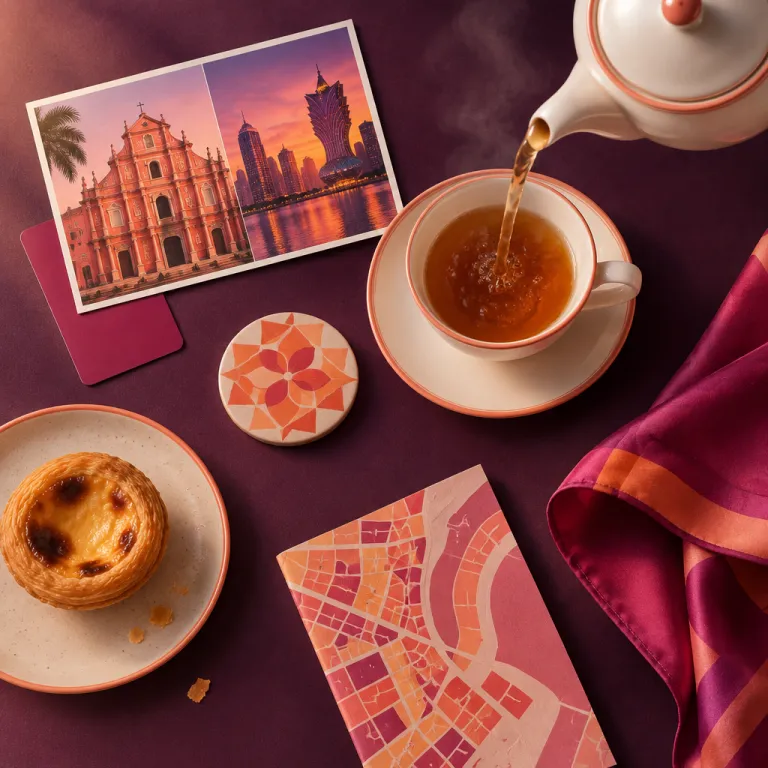
Macau travel guide for luxury guests arriving from Hong Kong and mainland China
Macau sits where Chinese heritage meets Portuguese elegance in a compact city. This Macau travel guide focuses on how a luxury traveller will move smoothly between Hong Kong, mainland China, and the most exclusive hotels Macau offers. In this first section, you will see how to plan each day so the transfer from ferry terminal or airport to your chosen hotel feels effortless.
Most premium guests arrive via the Hong Kong to Macau ferry, which connects the two cities in under one hour. From the Hong Kong–Macau Ferry Terminal on Hong Kong Island, high speed services run to both the Outer Harbour Ferry Terminal on the Macau Peninsula and the Taipa Ferry Terminal near the Cotai Strip. When planning any Macau itinerary, check which terminal is closest to your hotel, because this simple choice will save both time and energy on a busy travel day.
Travellers coming from mainland China often prefer the Hong Kong–Zhuhai–Macau Bridge or cross-border bus services. Luxury hotel concierges in Macau will usually arrange a private car to meet you at the bus terminal or border gate, which removes stress after a long journey. If you travel from cities such as Shenzhen or Guangzhou in mainland China, allow extra time for immigration formalities before you reach the calm of your hotel lobby.
For those combining Hong Kong and Macau in one trip, think of the two cities as complementary rather than competing. Hong Kong offers vertical energy and harbour views, while Macau provides a slower rhythm, with casinos, heritage streets, and resort-style hotels Macau has refined over decades. Many guests now book three nights in Hong Kong and two days in Macau, using this guide to balance both sides of the Pearl River Delta.
Public transport in the city is efficient, but premium travellers often split journeys between taxi, hotel limousine, and the free shuttle bus networks. Major integrated resorts on the Cotai Strip and the Macau Peninsula operate free bus services from each ferry terminal, which can be surprisingly comfortable even for high-end guests. If you prefer privacy, your hotel will arrange a chauffeured car that waits at the exact terminal exit you specify.
When planning your first day in Macau, consider arrival time and jet lag. A gentle walk around Senado Square followed by a refined dinner in Taipa Village lets you feel the city without rushing. As a practical outline, you might check in around 15:00, stroll through the historic centre from 16:00 to 18:00, enjoy an early evening drink with views of the Macau Peninsula, then dine between 19:30 and 21:30 before returning to your suite. This itinerary recommends avoiding heavy casino schedules on the first evening, so your body clock adjusts before you explore the brighter side of the city dreams marketing narrative.
Where to stay in Macau: from Macau Peninsula heritage to Cotai Strip resorts
Choosing the right hotel in Macau shapes how you experience the city. The Macau Peninsula offers walkable access to Senado Square, the Ruins of St. Paul’s, and many traditional Chinese eateries, while the Cotai Strip delivers large-scale casinos and entertainment. A thoughtful Macau travel guide must help you decide which place suits your style for each day and night.
On the Macau Peninsula, heritage-focused hotels Macau operates place you within minutes of the main World Heritage zone. You can step out after breakfast, stroll to Senado Square, then continue uphill to the Ruins of St. Paul’s façade without needing a bus or taxi. This area suits travellers who value time in historic streets more than time on gaming floors, yet still want easy access to select casinos in the evening.
The Cotai Strip, often compared with Las Vegas, concentrates integrated resorts, Michelin-starred dining, and large-scale shows. Properties such as The Venetian Macao, Wynn Palace, MGM Cotai, Studio City, and City of Dreams combine hotels, casinos, and shopping arcades, which means you can spend a full day indoors if summer humidity rises. For many guests, this area feels like an Asian interpretation of Las Vegas, but with subtle Portuguese and Chinese design cues woven into the interiors.
Taipa and Taipa Village sit between the Peninsula and Cotai, offering a quieter residential feel. Staying in Taipa gives you quick access by bus or taxi to both the Macau Peninsula and the Cotai Strip, while Taipa Village itself is a charming place for evening walks and Portuguese-inspired meals. This Macau travel guide often recommends Taipa for travellers who want balance between resort-scale glamour and neighbourhood authenticity.
When planning a longer Macau itinerary across China, some travellers pair the city with cultural routes such as the Silk Road. For those interested in heritage-rich stays beyond the coast, you can explore curated options along ancient trade corridors through a specialised overview of Silk Road luxury hotels from Xi’an to Dunhuang. Combining Macau with these inland destinations shows how diverse premium accommodation in China has become.
Luxury booking platforms focused on China now allow you to filter by neighbourhood, view, and proximity to ferry terminal or Macau Tower. When you compare hotels Macau side by side, pay attention to shuttle routes, late check-out policies, and whether the property offers free access to spa facilities. These details will influence how relaxed you feel between each day of sightseeing and each evening of gaming or fine dining.
Essential sights for a refined Macau itinerary
A well-planned Macau itinerary blends headline attractions with quieter corners. This Macau travel guide suggests structuring each day around one major landmark, then filling the remaining time with walks, cafés, and hotel spa breaks. That rhythm keeps the city enjoyable rather than exhausting, especially in warmer months.
Begin with the historic core around Senado Square, where pastel-coloured Portuguese-style buildings frame a black-and-white wave-patterned pavement. From here, follow the signed route through narrow streets to the Ruins of St. Paul’s, the iconic stone façade that symbolises the city worldwide. Along the way, you will pass Chinese temples, pastry shops, and small museums that reveal how Macau once linked Europe and Asia.
Another essential stop is Macau Tower, which rises 338 metres above the harbour and offers sweeping views of the Macau Peninsula, Taipa, and the Cotai Strip. Many visitors book a table at the revolving restaurant to enjoy both the skyline and refined cuisine in one sitting. If you prefer adrenaline, the tower also hosts bungee jumps and skywalks, though luxury travellers often choose the lounge for a calmer time with cocktails.
Taipa Village deserves at least half a day in any Macau travel plan. Its low-rise streets, restored Portuguese houses, and Chinese shrines create a human-scale contrast to the nearby casinos of Cotai. You can walk from your hotel in Taipa or take a short bus ride from the Peninsula, then spend unhurried time tasting Macanese dishes that blend Chinese and Portuguese flavours.
For guests who enjoy thematic journeys across China, remote regions such as Tibet, Qinghai, and Inner Mongolia now host high-end properties as well. If you are curious about pairing coastal glamour with frontier landscapes, consult a dedicated guide to luxury hotels in Tibet, Qinghai, and Inner Mongolia. Combining Macau with these distant provinces shows how a single trip can move from city dreams to wide open horizons.
Even if casinos are not your main interest, visiting one or two landmark properties on the Cotai Strip helps you understand the city’s modern identity. Integrated resorts such as Studio City and City of Dreams host art installations, theatres, and shopping galleries that appeal beyond gaming. This Macau travel guide recommends setting a clear time limit for casino visits, so the rest of your day remains focused on culture, dining, and relaxation.
Moving around Macau: ferries, buses, and seamless hotel transfers
Navigating Macau is straightforward once you understand how ferries, buses, and hotel shuttles connect. The compact size of the city means travel time between the Macau Peninsula, Taipa, and the Cotai Strip rarely exceeds thirty minutes. With the right information, you will move efficiently while keeping enough energy for each day of exploration.
Most international visitors first encounter the city at a ferry terminal, either on the Peninsula or in Taipa. High speed ferry services operated by companies such as TurboJET and Cotai Water Jet link Hong Kong and Macau throughout the day, with extra departures during peak periods and holidays. When booking tickets, choose the Hong Kong–Macau ferry terminal that aligns with your hotel location, because this decision reduces the need for extra bus or taxi rides.
From each terminal, free shuttle bus networks operated by major casinos and resorts fan out across the city. Even if you are not staying in a gaming property, you can often use these buses to reach central points on the Macau Peninsula or the Cotai Strip, then walk or take a short taxi ride to your hotel. This Macau travel guide suggests checking shuttle maps in advance, so you know which line will bring you closest to your chosen place.
Public bus services cover almost every district, including Taipa Village, Coloane, and residential areas beyond the main tourist zones. Fares are low, and routes are clearly marked in both Chinese and Portuguese, which reflects the city’s dual heritage. For luxury travellers, buses are most useful during the day for short hops between attractions, while evenings often call for taxis or hotel cars.
Many high-end hotels Macau operate private limousine fleets that meet guests directly at the ferry terminal or border gate. When you reserve through a specialised China-focused booking website, you can usually add transfers to your Macau itinerary with one click. This approach ensures that from the moment you step off the ferry from Hong Kong, a driver will handle your luggage and guide you through the city.
For travellers combining Macau with other top destinations in China, long-distance connections matter as much as local transport. High speed rail links from nearby Zhuhai open routes toward Guangzhou, Guilin, and further inland, where cultural hotels bring history to life, as shown in this overview of cultural hotels near China’s great heritage sites. By planning both city transfers and intercity legs carefully, you turn a simple Macau travel plan into a coherent journey across regions.
Gastronomy, culture, and the art of slow travel in Macau
Macau rewards travellers who slow their pace and savour details. This Macau travel guide encourages you to treat meals, museum visits, and neighbourhood walks as highlights rather than fillers between casinos. When you allow more time in each place, the city’s Chinese and Portuguese layers become clearer and more memorable.
Food is the most immediate expression of this blend, from egg tarts and pork chop buns to refined tasting menus. Around Senado Square and the Macau Peninsula backstreets, family-run eateries serve Chinese classics beside Macanese dishes that fuse spices, seafood, and Iberian techniques. In Taipa Village and the Cotai Strip, hotel restaurants elevate these flavours into multi-course experiences, often paired with Portuguese wines.
Cultural institutions such as the Macao Museum, the Maritime Museum, and smaller galleries around the old city explain how trade shaped local identity. Exhibits show how merchants from Portugal, India, and mainland China passed through Macau, leaving traces in architecture, language, and cuisine. Planning one museum visit per day keeps your Macau itinerary balanced between learning and leisure.
Slow travel also means choosing a hotel that invites you to linger. Many luxury properties on the Macau Peninsula and Cotai Strip feature spa suites, quiet lounges, and pools where you can spend a free afternoon between sightseeing days. When you book through a specialised China luxury platform, look for benefits such as late checkout, spa credits, or complimentary afternoon tea, because these perks enhance unhurried stays.
Evenings in Macau need not revolve solely around casinos or large-scale shows. You might stroll along the waterfront near Macau Tower, pause for a drink with harbour views, then continue by taxi to Taipa Village for a relaxed dinner. This pattern allows you to experience both the city dreams marketing of Cotai and the human-scale charm of older districts in a single night.
For travellers who enjoy extending this slow travel philosophy beyond Macau, China offers many regions where luxury hotels sit beside ancient temples, deserts, or grasslands. Curated journeys that combine city stays with remote landscapes, such as those highlighted in guides to frontier luxury in Tibet and Inner Asia, show how varied a single trip can become. By viewing Macau as one refined chapter in a wider travel guide to China, you give each day a clear role within your overall journey.
Planning your Macau day trips and multi city combinations
Many visitors treat Macau as a day trip from Hong Kong, but premium travellers often benefit from staying at least two nights. This Macau travel guide recommends thinking in terms of one arrival evening, one full day in Macau, and one flexible departure day. That structure gives you enough time to enjoy both the Macau Peninsula heritage zone and the Cotai Strip resorts without rushing.
On your first full day, focus on the historic core around Senado Square and the Ruins of St. Paul’s site. Start early to avoid crowds, then spend late morning exploring side streets, churches, and Chinese temples that reveal quieter aspects of the city. After a leisurely lunch, return to your hotel for a rest before heading to Macau Tower or a waterfront promenade for sunset views.
The second day Macau plan can revolve around Taipa and Cotai. You might begin in Taipa Village, sampling pastries and coffee in restored Portuguese houses, then walk or take a short bus ride to the Cotai Strip for an afternoon of shopping, spa time, or selective casino visits. Evening brings a choice between large-scale shows in Studio City or City of Dreams and more intimate dining rooms back in Taipa.
For travellers combining Hong Kong and Macau, consider starting in Hong Kong for urban intensity, then shifting to Macau for resort-style relaxation. The Hong Kong to Macau ferry runs frequently, so you can choose a departure time that aligns with hotel check-in and avoids wasted hours. When you book through a China-focused luxury platform, look for packages that include both cities, as these often bundle ferry tickets, hotel nights, and curated experiences.
Some guests extend their journey beyond the Pearl River Delta to other top destinations in China, such as Xi’an, Chengdu, or Yunnan. In those regions, high-end hotels often sit close to UNESCO sites or dramatic landscapes, echoing how Macau hotels frame Senado Square and the harbour. Treat this Macau travel experience as a template for balancing culture, comfort, and efficient transport across the country.
Whether you stay two nights or five, the key is to assign each day a clear theme. One day might focus on heritage, another on gastronomy, and a third on wellness or shopping, which keeps your Macau itinerary coherent. With that structure, you will leave the city feeling that every place you visited and every hotel you chose contributed meaningfully to your overall travel story.
Key statistics for planning a luxury stay in Macau
- Macau welcomed over 39 million visitors in 2019, the most recent pre-pandemic year, according to the Macao Government Tourism Office, which means booking peak season hotels Macau well in advance is essential for premium choices.
- Gaming revenue in Macau has historically exceeded that of Las Vegas several times over, based on data from the Macau Gaming Inspection and Coordination Bureau, which explains the scale of casinos and entertainment on the Cotai Strip.
- The Hong Kong–Zhuhai–Macau Bridge spans about 55 km across the Pearl River Delta, as reported by official Chinese transport authorities, reducing travel time between Hong Kong, Zhuhai, and Macau to under an hour by bus or car.
- Macau’s UNESCO World Heritage listing covers more than 20 monuments and urban squares, including Senado Square and the Ruins of St. Paul’s complex, which underlines the cultural depth behind the city’s modern resort image.
- High speed ferries between Hong Kong and Macau typically take around 55 to 60 minutes per crossing, according to major ferry operators, allowing travellers to treat the two cities as a single extended urban destination.
FAQ about planning a premium Macau trip
How many days should a luxury traveller spend in Macau ?
For a balanced experience, plan at least two to three days in Macau. That duration allows one full day on the Macau Peninsula, another on the Cotai Strip and Taipa Village, plus flexible time for spa visits or fine dining in your hotel. Shorter day trips from Hong Kong can feel rushed, especially during busy seasons.
Is it better to stay on Macau Peninsula or Cotai Strip ?
The Macau Peninsula suits travellers who prioritise heritage sites such as Senado Square and the Ruins of St. Paul’s area. The Cotai Strip is better for resort facilities, large casinos, and integrated entertainment complexes similar to Las Vegas. Many guests split their stay between both areas to enjoy contrasting atmospheres in a single trip.
How do I travel between Hong Kong and Macau in comfort ?
High speed ferries from the Hong Kong–Macau Ferry Terminal offer a comfortable and efficient link, with upgraded cabin classes for extra space. Private car or bus services across the Hong Kong–Zhuhai–Macau Bridge provide an alternative for those who prefer road travel. Luxury hotel concierges can arrange door-to-door transfers that coordinate ferry or bridge schedules with check-in times.
Are Macau’s casinos suitable for non gamblers ?
Yes, many integrated resorts on the Cotai Strip and the Macau Peninsula offer shopping, shows, art installations, and high-end dining that appeal beyond gaming. You can visit properties such as Studio City or City of Dreams for their architecture and entertainment, then leave the casino floors quickly if you wish. Setting a clear time limit for casino visits keeps the focus on broader cultural and culinary experiences.
Can Macau be combined with other destinations in China on one trip ?
Macau connects easily with Hong Kong, Zhuhai, and major cities in mainland China via ferries, bridges, and high speed rail from nearby hubs. Many travellers pair Macau with cultural centres such as Xi’an or Chengdu, or with scenic provinces like Yunnan. Using a China-focused luxury booking website helps coordinate hotels, transfers, and curated experiences across all these destinations.