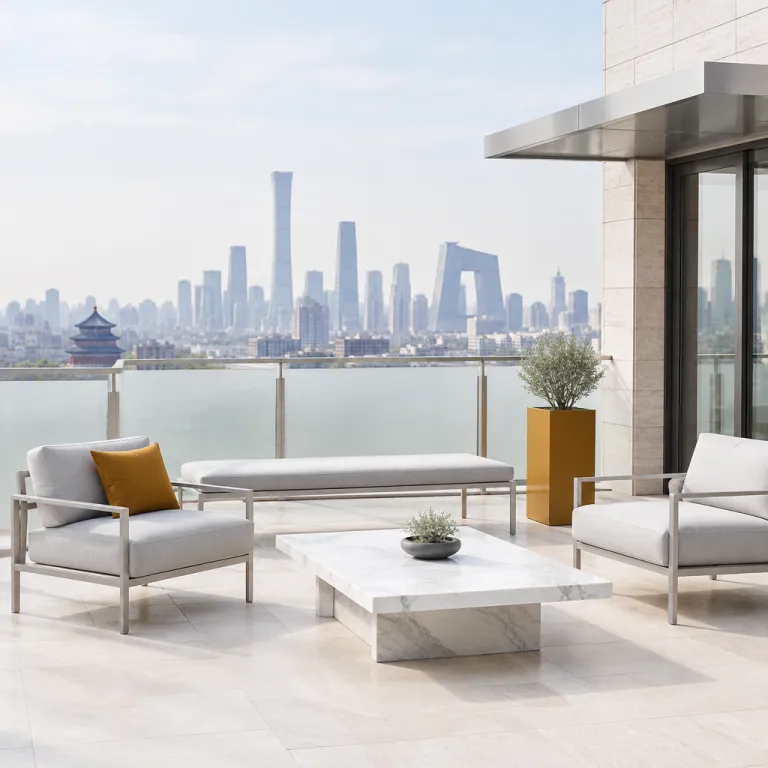
How to choose the best hotel in Beijing for your trip
Finding the best hotel in Beijing starts with understanding the city and how you like to travel. Beijing is a vast capital, and the right place to stay depends on whether you prioritise heritage, shopping, or business access. In every case, focus on neighbourhoods that keep you within easy walking distance or a short subway ride of the sights that matter most to you.
For first time visitors, staying near the historic core offers a powerful sense of place. A central hotel around Wangfujing or Qianmen places you close to the Forbidden City, Tiananmen Square, and the old hutong lanes. These areas balance traditional Chinese character with modern hotels and competitive prices, making them a reliable base for classic sightseeing.
Business travellers often prefer the Chaoyang District, especially areas around the embassy quarter and Sanlitun, where international companies and consulates cluster. Here, luxury hotels provide spacious rooms, polished service, and quick access to expressways and the airport. When you stay in this part of town, you trade immediate proximity to the Forbidden City for excellent dining, nightlife, and contemporary style.
Before you confirm any booking, think about how you plan to move around the city. A hotel near a subway station on Line 1 or Line 2 can save you long taxi rides across heavy traffic. Look for properties that clearly list walking times to key landmarks such as the Forbidden City, Tiananmen Square, and major shopping streets, and cross check these with online maps.
Online platforms such as Expedia and other booking engines help you compare hotel prices across Beijing quickly. Use filters for five star hotels, guest ratings above 9 out of 10, and neighbourhoods like Wangfujing, Qianmen, Sanlitun, or Chaoyang. Then read at least one full review that mentions service quality, noise levels, and how staff handle special requests or late arrivals.
Luxury travellers should pay close attention to room size, bedding quality, and bathroom layout. In high end Beijing hotels, room dimensions are usually listed in square metres, so aim for at least 40 m² for a comfortable premium stay. When you check options, prioritise hotels that show detailed photos of rooms, public spaces, and spa or pool facilities, and compare these with recent guest images.
Staying near the Forbidden City, Tiananmen Square, and Wangfujing
For many guests, the best hotel in Beijing is one that frames every day with imperial history. Staying near the Forbidden City and Tiananmen Square means you wake up within minutes of the country’s most emblematic monuments. This central area is ideal if you want to walk between museums, palaces, and traditional markets without relying heavily on taxis.
Hotels around Wangfujing place you on one of the city’s most famous shopping streets. Here, a luxury property often combines understated Chinese design with international comforts and refined service. Many hotels in this district advertise 10 to 20 minute walking access to the Forbidden City’s east gate, which can significantly simplify your sightseeing schedule and reduce daily travel time.
Qianmen, just south of Tiananmen Square, offers another compelling option. This area blends restored historic façades with modern hotels and easy subway links to other parts of Beijing. If you enjoy evening strolls, Qianmen’s pedestrian streets and nearby hutong alleys provide a memorable contrast to the grand scale of the main square and surrounding government buildings.
When comparing hotels in the city center, pay attention to how each property handles noise insulation. The heart of the capital can be busy late into the night, especially near Wangfujing and major intersections. A full review that mentions quiet rooms facing inner courtyards or higher floors is often a reliable indicator of restful nights, particularly if you are sensitive to traffic or tour group activity.
Luxury chains and independent properties coexist in this part of the city. Some travellers prefer a classic grand hotel style, while others look for a more intimate, residential atmosphere similar to what they might find in boutique urban retreats in other Asian capitals. In Beijing, both styles can offer excellent service, so your choice should reflect whether you value large facilities or a quieter, more private feel.
Prices in this central zone tend to be higher than in outer districts, but the time saved often justifies the premium. When you check availability on Expedia or another booking platform, compare flexible rates with advance purchase offers and note blackout dates. For peak holidays or major political events, reserve early, as the best rooms near the Forbidden City and Tiananmen Square sell out quickly.
Sanlitun and Chaoyang district for nightlife, dining, and modern luxury
Travellers who prioritise contemporary style often decide that the best hotel in Beijing sits in Sanlitun or the wider Chaoyang District. This eastern side of the city has become a hub for embassies, creative industries, and high end retail. Staying here places you close to international restaurants, rooftop bars, and some of the most design forward hotels in the capital.
Sanlitun is especially popular with younger guests and repeat visitors who have already explored the Forbidden City. Hotels in this area emphasise sleek interiors, social lobbies, and easy access to nightlife, while still offering quiet rooms on higher floors. When you stay in Sanlitun, you gain quick connections to both the central business district and the airport express via nearby subway stations.
The Chaoyang District covers a large area, so focus on neighbourhoods that match your priorities. Around Sanlitun and the embassy area, you will find shopping malls, art galleries, and hotels that cater to both business and leisure travellers. Many properties here highlight their proximity to subway lines, which makes it simple to visit historic landmarks during the day and return for dinner in the evening.
Rosewood Beijing stands out as one of the most acclaimed luxury hotels in the city. Guests praise its spacious rooms, thoughtful Chinese touches in the décor, and personalised service that anticipates needs without being intrusive. For many frequent visitors, Rosewood Beijing sets the benchmark for what a modern urban retreat should feel like, with typical nightly rates often starting from the upper mid range and rising during peak periods.
International hotel groups continue to expand across China, with brands adding new luxury properties in major cities beyond the capital. Industry reports on new high end hotel developments show how quickly the premium segment is growing. This competition benefits travellers, as hotels in Chaoyang refine their offerings, from spa facilities to executive lounges and club floors, to attract discerning guests.
When comparing prices in Sanlitun and Chaoyang, remember that weekday rates can be higher due to corporate demand. Use booking tools to check different dates, and consider arriving on a Sunday night for better value. If you plan to visit during a major trade fair or diplomatic event, secure your preferred hotel well in advance, as last minute options may be limited or significantly more expensive.
Room types, prices, and what to check before you book
Choosing the best hotel in Beijing also means understanding how room categories work. Luxury properties typically offer a clear progression from deluxe rooms to club floors and suites. The differences go beyond size, affecting views, lounge access, and included services such as airport transfers, breakfast, or guaranteed late check out.
In central Beijing, entry level rooms in premium hotels often start around 35 to 40 m². Suites can easily exceed 70 m², with separate living areas and sometimes views towards the skyline or historic districts. When you compare hotels, check whether the quoted prices include breakfast, taxes, and service charges, as these can significantly change the final bill and perceived value.
Many travellers use Expedia or similar booking platforms to benchmark prices across multiple hotels quickly. These tools allow you to filter by neighbourhoods such as Wangfujing, Qianmen, Sanlitun, and Chaoyang District, then sort by guest rating or nightly rate. Once you have a shortlist, visit each hotel’s own website to confirm room descriptions, renovation dates, and any exclusive packages or loyalty benefits.
Reading at least one detailed full review is essential before you commit to any property. Focus on comments about cleanliness, staff responsiveness, and how the hotel handled issues such as flight delays, early check in, or room changes. Pay attention to whether reviewers mention consistent service over multiple stays, which is a strong indicator of management quality in busy urban hotels.
For travellers planning to visit Beijing during peak travel periods, flexible rates can provide valuable peace of mind. Some hotels allow free cancellation up to 24 or 48 hours before arrival, which helps if your itinerary changes. Always check the cancellation policy carefully, especially when booking promotional prices that may be non refundable or require full prepayment.
Families and longer stay guests should look for rooms with practical layouts and storage. In many properties, higher category rooms include walk in wardrobes, larger desks, and more generous seating areas. If you need connecting rooms or extra beds, contact the hotel directly after your booking to confirm arrangements rather than relying solely on platform requests or generic notes.
Planning your stay around Beijing’s key districts and landmarks
To experience the best hotel in Beijing in the right way, align your stay with the city’s geography. Beijing is organised around ring roads, with the historic core at the center and newer districts radiating outward. Choosing a hotel that matches your daily plans reduces transit time and enhances your overall stay, especially on shorter trips.
If your priority is heritage, staying near the Forbidden City, Tiananmen Square, and Qianmen keeps you immersed in imperial history. Hotels in this area often offer guided tours or concierge recommendations for less visited palace halls and nearby temples. When you visit Beijing for the first time, this central base makes it easier to explore on foot and return to your room for short breaks between sights.
Travellers focused on shopping and dining may find the city center around Wangfujing and Sanlitun more appealing. Here, hotels connect you to both international brands and local Chinese designers, as well as a wide range of restaurants and food streets. Many guests choose to stay in these districts for the balance between modern convenience and easy access to cultural sites by subway or taxi.
Business visitors often divide their time between meetings in Chaoyang District and events near the central government quarter. In this case, a hotel in eastern Beijing with quick subway access to Tiananmen and the Forbidden City area can be ideal. You gain efficient transport while still being able to enjoy evening walks around historic streets or contemporary shopping malls when your schedule allows.
Seasonality also shapes how you plan your stay. During national holidays and major festivals, hotel prices rise and availability tightens across the city. Smart travellers use planning resources and local holiday calendars to secure rooms well ahead of time, especially if they want specific views, club access, or family friendly room types.
When you check maps, pay attention to both subway lines and walking distance estimates. A hotel that appears close to a landmark may still require crossing wide roads or navigating complex intersections. Reading a recent full review that mentions how long it truly takes to reach the Forbidden City or Sanlitun on foot can prevent unwelcome surprises and help you set realistic daily itineraries.
Using booking platforms and direct reservations with confidence
For many travellers, the search for the best hotel in Beijing begins online. Global platforms such as Expedia and other booking sites provide a quick overview of available hotels, prices, and guest ratings. Used wisely, these tools help you narrow down options across different districts without feeling overwhelmed by the sheer number of choices.
Start by setting clear filters for your travel dates, budget range, and preferred districts such as Wangfujing, Qianmen, Sanlitun, or Chaoyang. Then sort results by guest rating to bring consistently praised hotels to the top of the list. Pay special attention to properties where multiple reviewers mention strong Chinese and international language support at the front desk.
Once you have a shortlist, open several tabs to compare each option in more detail. Look for clear descriptions of rooms, including size, bed type, and view, as well as photos that match the written information. A reliable full review will often mention whether the images accurately reflect reality, which is crucial in a large city where older stock photos may not show recent renovations.
After using booking platforms to research, consider reserving directly with the hotel if the rate and conditions are similar. Many properties offer added benefits for direct bookings, such as late check out, dining credits, or room upgrades subject to availability. When you contact the hotel, you can also check specific requests, from airport transfers and baby cots to pillow preferences and allergy friendly bedding.
Payment security and flexibility matter, especially for international guests visiting Beijing for the first time. Use credit cards with strong travel protection, and keep screenshots of your confirmation and cancellation policies. If you expect schedule changes, choose rates that allow date modifications without heavy penalties, even if the initial prices are slightly higher than advance purchase deals.
Finally, remember that the best hotel in Beijing for you is the one that aligns with your priorities. A property near the Forbidden City may be perfect for a cultural weekend, while a hotel in Chaoyang suits a business focused itinerary or a nightlife oriented stay. By combining careful online research with direct communication, you can book with confidence and enjoy the city at its finest.
Key statistics on Beijing’s luxury and premium hotel landscape
- According to data from the Beijing Municipal Bureau of Culture and Tourism, the city hosts more than 70 officially rated five star hotels, concentrated mainly in the city center and Chaoyang District, which gives travellers a wide range of luxury choices across the capital. These figures are regularly summarised in the bureau’s annual tourism development bulletins and statistical yearbooks.
- Figures from the China Hospitality Association indicate that average occupancy rates for high end hotels in Beijing often exceed 70 percent during peak seasons, significantly higher than mid range properties, which underlines the strong demand for premium stays in the city. The association’s nationwide surveys and quarterly reports provide the basis for these benchmark numbers.
- Industry reports from STR, a global hotel analytics firm, show that the average daily rate for luxury hotels in Beijing is typically 30 to 40 percent higher than upscale segments, reflecting the added value of larger rooms, enhanced service, and prime locations near landmarks such as the Forbidden City and Sanlitun. STR’s market overviews for major Chinese cities are widely cited by hotel investors and operators.
- Beijing Capital International Airport and Beijing Daxing International Airport together handle hundreds of millions of passengers annually, and tourism authorities report that a substantial share of international visitors choose hotels in Chaoyang District and the historic city center for their first stay in the capital. These patterns are highlighted in official airport traffic statistics and inbound tourism reports released by municipal agencies.
- Data from major online travel agencies, including platforms similar to Expedia, show that guest satisfaction scores for five star hotels in Beijing frequently average above 4.5 out of 5, especially in districts like Wangfujing and Chaoyang, where service standards and facilities are consistently high. Aggregated review scores published by these OTAs provide an accessible snapshot of traveller sentiment and perceived value.
FAQ about finding the best hotel in Beijing
Which area is best for first time visitors to Beijing ?
First time visitors usually find the city center around the Forbidden City, Tiananmen Square, Wangfujing, and Qianmen the most convenient. Hotels here place you within walking distance of major landmarks and museums, often 10 to 25 minutes on foot. This central base also offers easy access to subway lines for exploring other districts without long transfers.
How much do luxury hotels in Beijing usually cost per night ?
Luxury hotel prices in Beijing vary by season, location, and brand. In general, five star hotels in the city center and Chaoyang District command higher rates, especially during holidays and major events. Checking multiple dates on booking platforms and the hotel’s own website helps you identify the best value and spot promotions for your preferred travel period.
Is it better to stay near the Forbidden City or in Sanlitun ?
Staying near the Forbidden City suits travellers focused on history and classic sightseeing. Choosing a hotel in Sanlitun or nearby Chaoyang works better if you prioritise dining, nightlife, and modern shopping. Both areas offer excellent hotels, so the best option for you depends on your daily plans and whether you prefer traditional surroundings or a more contemporary scene.
How far is the airport from central Beijing hotels ?
From Beijing Capital International Airport, most hotels in the city center and Chaoyang District are around 25 to 35 kilometres away. Travel time usually ranges from 40 to 70 minutes by car, depending on traffic and time of day. The airport express and subway connections can shorten journeys to areas like Chaoyang and Sanlitun, especially outside rush hour.
Should I book my Beijing hotel through a platform or directly ?
Using platforms such as Expedia or similar services is helpful for comparing hotels, prices, and guest reviews quickly. Once you have chosen a preferred option, checking the property’s own website can reveal direct booking benefits such as upgrades, breakfast inclusions, or flexible cancellation. Many travellers combine both approaches, researching on platforms and then confirming directly with the hotel.