Understanding the Yau Ma Tei hotel landscape in Hong Kong’s Kowloon district
Yau Ma Tei sits between the vibrant Tsim Sha Tsui waterfront and the energetic Mong Kok streets. This central Kowloon district gives any Yau Ma Tei hotel an enviable position for guests who want quick access to both heritage markets and luxury malls. Many Hong Kong hotels in this area balance efficient layouts with refined service, which suits travellers seeking comfort without losing urban authenticity.
From Nathan Road to Shanghai Street, you will find a dense cluster of accommodation that ranges from understated premium addresses to full five star icons such as The Cityview, Eaton HK, and Cordis, Hong Kong. A well chosen Kowloon hotel here often offers generous rooms by Hong Kong standards, with floor areas from about 22 to 40 square metres and thoughtful zoning between sleeping and working spaces. When you compare different Hong Kong hotel options, focus on how each property manages noise insulation, air quality, and lift capacity, because these details strongly influence your experience during a busy night.
Transport is the second major advantage of any carefully selected Yau Ma Tei hotel in this part of Kowloon. Yau Ma Tei station on the MTR sits just a few minutes’ walk from most hotel addresses along Nathan Road, and this direct link shortens journeys to Central, Wan Chai, and Hong Kong Island business hubs. If you select dates that include weekends or public holidays, staying near the station also reduces your reliance on taxis when traffic between the Tsim Sha Tsui–Mong Kok corridor and the harbour tunnels becomes heavy.
Room types, views, and what “luxury” really means near Yau Ma Tei station
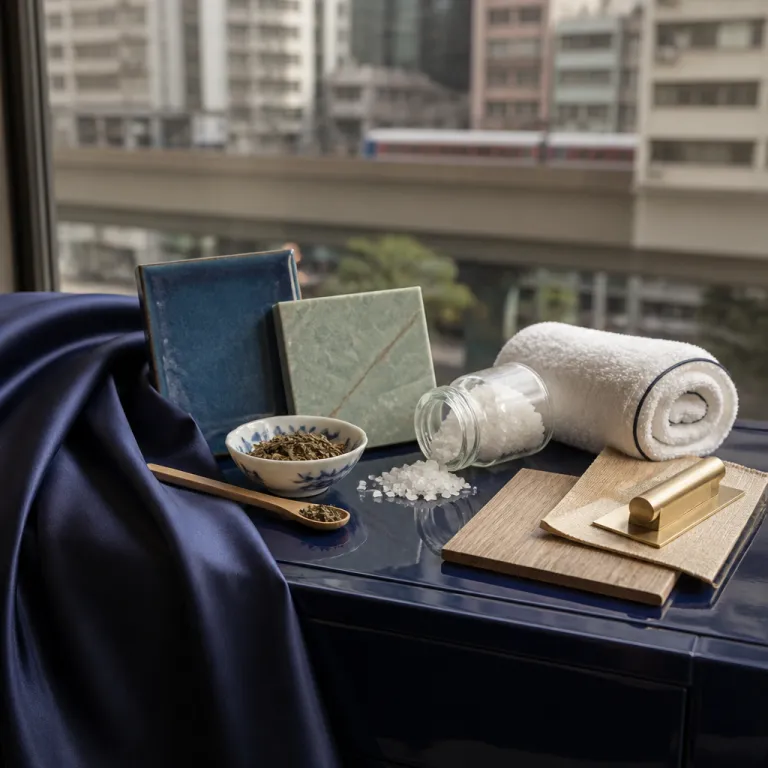
Luxury in a Yau Ma Tei hotel around Yau Ma Tei station is less about chandeliers and more about intelligent use of space. Premium rooms often feature large windows framing the dense Kowloon skyline, while higher categories add partial harbour glimpses towards Tsim Sha Tsui and Hong Kong Island. When you compare rooms, look for clear diagrams of layouts, because a few extra square metres can transform how comfortably two guests move around at night.
Many hotels in this area now offer tiered room categories that start with efficient deluxe rooms and rise to club floors with lounge access. A refined Kowloon hotel will usually provide high thread count linens, blackout curtains, and acoustically treated walls, which matter more in a lively urban corridor than in quieter suburbs. Some Hong Kong properties near Temple Street Night Market also add small wellness touches such as in room air purifiers or yoga mats, which can be valuable after a long day exploring the streets between Jordan Road and Mong Kok.
View preferences should guide how you select dates and room types for your stay. If you value city lights, request higher floors facing the Tsim Sha Tsui direction, while travellers sensitive to noise may prefer rooms oriented towards inner courtyards or side streets. One guest described a high floor corner room as “like watching a moving painting of neon and buses,” while another praised a courtyard view for being “surprisingly quiet for Kowloon.” For those planning a wider itinerary across China, it can be helpful to compare these urban rooms with more remote luxury stays, such as the properties highlighted in this guide to sleeping at the edge in Tibet, Qinghai, and Inner Mongolia, because it shows how different Chinese regions interpret comfort and space.
How to read reviews and ratings for a Yau Ma Tei hotel with confidence
Online reviews for any Yau Ma Tei hotel can be overwhelming, especially when hundreds of guests comment on the same property. Focus first on patterns rather than isolated complaints, because repeated mentions of noise, lift waiting times, or housekeeping standards usually indicate structural issues. When a hotel in Yau Ma Tei receives consistently good reviews for staff attentiveness and cleanliness, that often matters more than a single negative comment about a delayed check in during a peak night.
Pay attention to how reviewers describe their purpose of stay, since a Kowloon hotel that suits a solo business guest may feel cramped for a family with children. Look for reviews that mention room size in square metres, mattress comfort, and water pressure, because these details are rarely visible in marketing photos. If several guests praise a Hong Kong property for handling late arrivals smoothly, that can be reassuring when your flight lands after midnight and you still need to navigate from the airport to the Kowloon district.
For travellers comparing luxury and premium hotels across China, it is useful to cross reference guest feedback with industry developments. Large hospitality group brands such as those mentioned in this report on new luxury properties in Hangzhou and Xi’an often apply consistent service standards that extend to their Hong Kong and Kowloon portfolios. When you see Langham Hospitality or another established hospitality group name attached to a property in this part of the city, you can usually expect structured training, clear service protocols, and transparent handling of reviews, which together build long term trust.
Pricing, exact dates, and how to secure value for a luxury stay
Room rates for a Yau Ma Tei hotel fluctuate significantly depending on events, trade fairs, and regional holidays. To understand exact prices, start by checking a flexible calendar that shows how the price per night changes across several weeks. Once you see the pattern, you can select dates that avoid major peaks while still fitting your travel plans.
Many hotels in the Kowloon district offer advance purchase rates that reward early commitment with lower nightly costs. These promotions usually require that your dates are exact and non refundable, so only choose them when your flights and meetings are fully confirmed. If your schedule is uncertain, a slightly higher flexible rate at a central Hong Kong hotel can be better value than losing an entire booking because you needed to change one night.
When comparing hotels in Hong Kong, calculate the total stay cost rather than focusing only on the headline price per night. Include taxes, service charges, and any club lounge supplements, then weigh these against tangible benefits such as breakfast quality, late checkout, and lounge access. For travellers planning multi city journeys across China, such as the high speed rail route between Xi’an and Chengdu described in this article on a luxury hotel route through China’s cultural heartland, aligning your Hong Kong stay dates exactly with train or flight schedules can also reduce transfer costs and wasted time.
Location nuances: streets, markets, and micro neighbourhoods around Yau Ma Tei
Choosing a Yau Ma Tei hotel is also about understanding the character of each nearby street. Nathan Road forms the main spine of the area, lined with neon signs, shops, and a mix of hotels that cater to both leisure and business travellers. One block behind, Shanghai Street and Reclamation Street feel more local, with kitchenware shops, fruit stalls, and a slower rhythm that some guests find more authentic.
Temple Street Night Market remains a defining attraction of the Kowloon district, and staying within a short walk can be both convenient and noisy. If you enjoy late night energy, a hotel near this market places you in the heart of the action, with food stalls and fortune tellers operating well into the night. Guests who prefer quieter evenings may want a property slightly further north towards the Mong Kok district boundary, where side streets soften the sound of traffic and market activity.
Proximity to other hubs such as Tsim Sha Tsui and Mong Kok also shapes your experience. A property near Yau Ma Tei station offers fast MTR access south to the luxury malls and harbour views of Tsim Sha Tsui, while a short ride north brings you to the dense shopping streets of Mong Kok and the wider Kowloon area. When you select dates, consider whether your itinerary leans more towards the harbourfront galleries and restaurants of Tsim Sha Tsui or the markets and sneaker streets of Mong Kok, then choose a location that minimises daily travel time.
Service culture, hospitality groups, and what to expect from staff
Service standards can vary between an independent Yau Ma Tei hotel and a property managed by a major hospitality group. Brands under Langham Hospitality or other international operators usually follow structured training programmes, which often results in consistent greetings, efficient check in, and clear handling of special requests. Independent hotels may offer more personalised touches, but the experience can depend heavily on the current management team and staff turnover.
When reading good reviews, pay attention to how guests describe interactions with front desk and concierge teams. Comments about staff remembering names, offering tailored restaurant suggestions along Nathan Road or Shanghai Street, and resolving issues quickly are strong indicators of a well run Kowloon hotel. In contrast, repeated mentions of slow responses, unclear billing, or difficulty obtaining taxis at night suggest operational gaps that can affect your stay.
Language skills are another practical consideration for international travellers choosing a Hong Kong hotel address in the Kowloon district. Properties aligned with large hospitality group portfolios usually maintain English speaking staff across all shifts, which simplifies late night arrivals and early morning departures. When you select dates and compare exact prices, it is worth weighing slightly higher rates at such Hong Kong hotels against the reassurance of reliable communication, especially if you are coordinating airport transfers, restaurant reservations, or same day changes to your itinerary.
Key statistics about luxury and premium hotels near Yau Ma Tei
- According to the Hong Kong Tourism Board, the city offers more than 300 hotels, with a significant concentration of midscale to luxury properties in the Kowloon district around Tsim Sha Tsui, Mong Kok, and Yau Ma Tei (Hong Kong Tourism Board, “Hong Kong Tourism Overview,” 2023).
- Pre pandemic data from the Hong Kong Tourism Board shows that average hotel occupancy in Hong Kong often exceeded 80 percent during peak months, which explains why price per night can rise sharply when you do not select dates in advance (Hong Kong Tourism Board, “Hotel Supply and Occupancy Rates,” 2018).
- Transport data from MTR Corporation indicates that the Tsuen Wan Line, which serves Yau Ma Tei station and Tsim Sha Tsui, carries hundreds of thousands of passengers daily, making proximity to this line a key factor when choosing a Hong Kong hotel for efficient city travel (MTR Corporation, Annual Report 2019).
- Industry reports from major hospitality groups highlight that international brands such as Langham Hospitality and others continue to expand in Hong Kong and mainland China, signalling long term confidence in demand for premium and luxury hotels across key urban centres (company development updates and investor presentations, 2022–2023).
FAQ about staying in a Yau Ma Tei hotel
Is Yau Ma Tei a good area for first time visitors to Hong Kong ?
Yau Ma Tei is a strong choice for first time visitors because it sits between Tsim Sha Tsui and Mong Kok, giving easy access to both harbourfront attractions and local markets. The area is well served by Yau Ma Tei station on the MTR, which connects quickly to Central and Hong Kong Island. A carefully chosen Yau Ma Tei hotel here balances convenience, authentic street life, and a wide range of dining options.
How early should I book a luxury hotel near Yau Ma Tei station ?
For popular travel periods and trade fair seasons, booking a Yau Ma Tei hotel at least six to eight weeks in advance usually secures better exact prices and room choices. Luxury and premium hotels in the Kowloon district can fill quickly when major events take place at the Hong Kong Convention and Exhibition Centre or AsiaWorld Expo. Early planning also gives you more flexibility to select dates that avoid the highest price per night peaks.
What is the typical room size in a premium Hong Kong hotel around Yau Ma Tei ?
Room sizes vary, but many premium hotels near Yau Ma Tei station offer entry level rooms of about 20 to 25 square metres. Higher categories and club floors may reach 30 to 40 square metres, sometimes with separate seating areas or partial harbour views towards Tsim Sha Tsui. When comparing options, always check floor plans and guest reviews that mention how comfortably two people can move around the room.
Is it easy to reach other districts like Wan Chai and Central from Yau Ma Tei ?
Yes, Yau Ma Tei station sits on the Tsuen Wan Line, which connects directly to Tsim Sha Tsui and then across the harbour to Admiralty and Central. From there, a short transfer brings you to Wan Chai and other business districts on Hong Kong Island. This makes a Yau Ma Tei hotel in the Kowloon district practical for both leisure sightseeing and meetings across the city.
Are luxury hotels near Yau Ma Tei suitable for families ?
Many luxury and premium hotels around Yau Ma Tei offer family friendly configurations such as connecting rooms, sofa beds, or twin bed layouts. When you select dates, contact the hotel directly to confirm availability of these setups and any child friendly amenities. Reviews from other family travellers can also highlight practical details such as lift waiting times, breakfast crowding, and proximity to parks or quieter streets for evening walks.