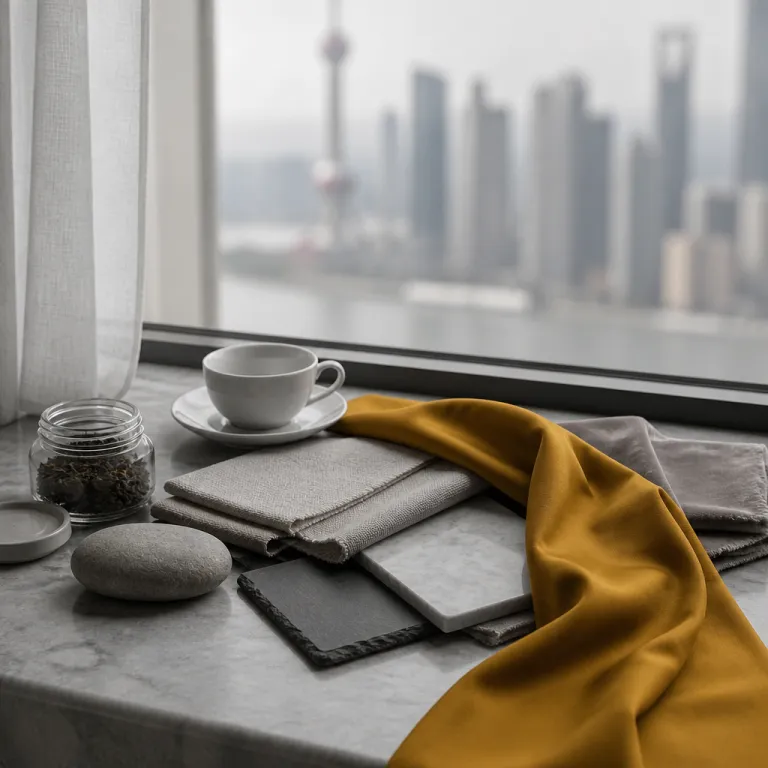
Choosing where to stay in Shanghai for your first visit
For a first stay in Shanghai, the central riverside districts give you the clearest sense of the city. The Bund and nearby Nanjing Road form the best area for travelers who want iconic skyline views, easy walks to major sights, and quick metro access. This part of Shanghai suits people who prefer to stay within a short walk of dining, shopping, and landmark hotels.
The Bund runs along the Huangpu River, facing Pudong and its futuristic towers. When you stay near the historic riverfront promenade, you can walk from your hotel to the water in under 5–10 minutes, then continue along Nanjing Road to People’s Square and the main shopping streets in about 15–20 minutes on foot. Many luxury properties here offer river-view suites, and previous guests often mention the skyline as the main reason to stay in this area.
Nanjing Road itself is divided into east and west sections, each with a different feel. East Nanjing Road near the Bund is ideal if you want a hotel surrounded by neon lights, flagship stores, and constant street life, while West Nanjing Road moves toward Jing An and quieter residential streets. When you compare central districts across these blocks, consider whether you prefer a place that feels energetic late at night or an address that becomes calm once the shops close.
Who this central area suits best
First-time visitors who ask where to base themselves usually benefit from this central location. You can reach the city’s top museums, the Bund, and the Huangpu River ferries quickly, which reduces time spent in traffic and simplifies every walk. Business travelers also appreciate that many hotels here sit between major office districts and offer direct links to several metro lines.
Families who want to stay in comfort often choose large international brands along Nanjing Road or near People’s Square. These hotels typically provide spacious rooms, reliable English-speaking staff, and clear directions to metro routes that connect to both Pudong Airport and Hongqiao Airport. When you read reviews from previous guests, you will notice frequent praise for concierge teams who help arrange airport transfers, restaurant reservations, and same-day tickets for river cruises.
Luxury-focused travelers who care about service standards should pay attention to verified booking platforms. Look for detailed reviews that mention staff responsiveness, housekeeping consistency, and how the hotel handled any issues, because these comments reveal more than star ratings alone. On a premium booking site dedicated to China, you can usually filter properties by Bund view, Nanjing Road proximity, or walking distance to a metro station, which makes it easier to match the area to your travel style.
The Bund and Huangpu River: classic skyline stays
Staying directly on the Bund places you at the heart of Shanghai’s historic riverfront. Here, grand heritage buildings face the Huangpu River, while across the water the towers of Pudong rise in dramatic contrast. This is the right choice if your priority is a hotel with a view that feels unmistakably Shanghai.
Many of the top properties along the Bund occupy restored landmark buildings. Their interiors often combine Art Deco details with contemporary comforts, and previous guests frequently highlight the sense of occasion when they walk through the lobby or step onto a terrace overlooking the skyline. A stay at a classic address such as the Fairmont Peace Hotel (upper‑mid to luxury), The Peninsula Shanghai (top‑tier luxury), or Waldorf Astoria Shanghai on the Bund (heritage luxury) often features in traveler stories about “old Shanghai” glamour. When you choose a place to stay here, you gain immediate access to the riverside promenade, which becomes especially atmospheric at night when the city lights reflect on the Huangpu River.
From the Bund, you can walk to East Nanjing Road in a few minutes. This short stroll connects you to one of the city’s busiest shopping streets, yet your hotel can remain a calm retreat once you step back inside. If you plan to spend time in Pudong’s financial district, ferries and metro lines cross the river quickly, so you can enjoy the heritage charm of the Bund while remaining close to business meetings.
Practical tips for Bund side bookings
When comparing options along the river, pay close attention to room categories. Not every room faces the Huangpu River, so you should check availability for river-view suites or corner rooms before confirming your booking. Reviews from previous guests often mention whether the view matched expectations, which can help you avoid disappointment.
Airport access from the Bund is straightforward but requires planning. Taxis to Pudong Airport or Hongqiao usually take similar times outside rush hour, yet traffic near the city center can slow significantly during peak periods. To reduce stress, ask your concierge to advise on departure times, or use the metro network to reach the airport express lines when possible.
If you enjoy combining city stays with other refined journeys in China, consider how your Shanghai nights fit into a wider itinerary. Many travelers pair a few days along the Bund with time in more remote regions, using specialist guides such as this overview of elevated luxury stays in China’s Tibetan highlands at Shangri La Yunnan luxury stays. Planning your booking sequence carefully allows you to move from riverfront glamour to mountain calm without sacrificing comfort or service.
Pudong and Lujiazui: futuristic towers and family friendly stays
Across the Huangpu River from the Bund, Pudong offers a very different atmosphere. Here, glass towers, elevated roads, and landscaped plazas define the skyline, and many of the city’s tallest buildings cluster around the Lujiazui financial district. This is the best fit if you want a hotel that feels modern, vertical, and closely connected to business life.
Many Pudong hotels occupy upper floors of mixed-use towers, which means your room may sit dozens of stories above the city. Previous guests often describe the views as a highlight, especially when they face the Bund or the wider cityscape at night. Families appreciate that several top properties in this area connect directly to shopping malls, indoor play spaces, and metro hubs, which simplifies rainy-day plans.
Airport access is one of Pudong’s strongest advantages. Pudong Airport lies on this side of the river, and the Maglev train plus metro lines make transfers faster than from many central districts, especially during busy periods. The Maglev from the airport to Longyang Road takes about eight minutes, and from there Line 2 reaches Lujiazui in roughly 20–25 minutes. If you have an early flight and wonder where to spend your final night, a hotel in Pudong can reduce travel time and allow a calmer morning.
Balancing business, leisure, and river views
Business travelers often choose to stay in Pudong when meetings cluster around Lujiazui. Hotels here usually provide extensive meeting facilities, executive lounges, and quick access to office towers via elevated walkways. When you read reviews, look for comments from previous guests about Wi‑Fi stability, check-in efficiency, and breakfast quality, as these details matter during intensive work trips.
Leisure travelers sometimes worry that Pudong feels too corporate, yet the area offers several attractions. The Shanghai Tower observation deck, riverside parks, and large aquariums give families and couples reasons to stay local between excursions across the river. If you compare the Bund and Pudong, think of the Bund as better for heritage walks and street-level energy, while Pudong excels at skyline views and direct routes to Pudong Airport.
For travelers planning a wider circuit through major Asian cities, it can be helpful to read refined city escape guides, such as this perspective on where to stay in Hong Kong at refined Hong Kong city escape stays. Comparing how different cities structure their luxury districts will sharpen your sense of which Shanghai area best matches your expectations. Once you know whether you prefer river heritage, financial district towers, or quieter residential streets, your booking choices become far more precise.
Jing An and the French Concession: leafy streets and refined neighbourhood life
West of People’s Square and Nanjing Road, Jing An and the former French Concession offer a softer, more residential side of Shanghai. Tree-lined streets, low-rise buildings, and independent cafés create a slower rhythm than the Bund or Pudong. Many repeat visitors say this is the district to choose once you know the city and want to feel part of a neighbourhood.
Jing An takes its name from Jing An Temple, a historic complex framed by modern towers and shopping centers. Staying near the temple places you close to both cultural heritage and contemporary retail, with several metro lines intersecting nearby for easy access to the rest of the city. Hotels in this area often balance international standards with a calmer atmosphere, which appeals to families and longer-stay guests.
The French Concession spreads south from Jing An toward Xuhui, with streets that invite slow walks and café stops. When you stay in this district, you trade direct Huangpu River views for shaded sidewalks, small galleries, and a strong dining scene. Many travelers who ask where to stay for a romantic trip find that a boutique hotel in a restored lane house here offers the right mix of privacy, charm, and access to the wider city.
Matching neighbourhood character to your travel style
If you value morning walks more than late-night shopping, Jing An and the French Concession may suit you better than Nanjing Road. You can start the day with a quiet stroll past Jing An Temple, then use the metro network to reach the Bund, Pudong, or People’s Square within about 10–20 minutes. Reviews from previous guests often highlight how easy it feels to return to a peaceful base after exploring busier parts of the city.
Families often appreciate the wider sidewalks and parks scattered through these districts. When you choose an address with children in mind, look for hotels that sit near playgrounds or green spaces, as this gives younger travelers room to unwind after sightseeing. Business travelers who host informal meetings may also prefer the café culture here, which offers relaxed alternatives to hotel lobbies.
Travelers who enjoy comparing refined urban stays across China can deepen their research with curated guides, including this elegant overview of the finest luxury hotels in Shanghai at elegant guide to the finest luxury hotels in Shanghai. Using such resources alongside detailed booking platforms allows you to align each stay with your expectations for service, design, and neighbourhood character. Over time, you may find that Jing An and the French Concession become your default answer when friends ask where to stay for a more local Shanghai experience.
People Square, Nanjing Road, and the heart of the city
At the center of Shanghai’s urban grid, People’s Square and the surrounding Nanjing Road corridors form a dense, energetic core. This is the best area if you want to be in the middle of everything, with museums, theatres, and major shopping streets within a short walk. The area connects multiple metro lines, making it one of the most practical bases for exploring the wider city.
People’s Square itself is a large civic space framed by cultural institutions and government buildings. Hotels around the square often cater to both business and leisure travelers, offering quick access to the Shanghai Museum, the Grand Theatre, and the main commercial stretches of Nanjing Road. Previous guests frequently mention the convenience of stepping out of their hotel and reaching key attractions in minutes.
Nanjing Road extends east toward the Bund and west toward Jing An, so staying near its central sections gives you flexibility. You can walk east for river views and historic architecture, or head west for quieter residential streets and Jing An Temple. When you compare options along this road, consider whether you prefer an address closer to the Bund’s night views or Jing An’s leafy avenues.
Who benefits most from a central city base
Travelers with short stays often gain the most from this central area. If you only have two or three nights in Shanghai, staying near People’s Square or central Nanjing Road reduces transit time and maximizes your hours on foot. Business travelers who attend conferences at downtown venues also find this location efficient, as many event spaces sit within a brief taxi ride.
When you read reviews for hotels around People’s Square, pay attention to comments about noise levels. The city’s core remains active late into the evening, so light sleepers may prefer upper-floor rooms or properties set slightly back from the main road. Booking platforms that allow you to filter by soundproofing or room location can help you refine your choice within this busy district.
Families and older travelers should also consider walking distances and elevator access. Some older buildings along Nanjing Road may have smaller lifts or longer corridors, which can matter after a full day of sightseeing. When you check availability, look for clear room descriptions, floor plans, and accessibility notes, then use feedback from previous guests to confirm that the property matches your mobility needs.
Airport access, metro links, and smart booking strategies
Choosing where to stay in Shanghai is not only about neighbourhood character; it is also about how easily you can move between the airport, your hotel, and key sights. Shanghai has two main airports, Pudong Airport to the east and Hongqiao to the west, each connected to the city by metro lines and dedicated services. Understanding these routes helps you select the best area for your arrival and departure plans.
If you land at Pudong Airport, staying in Pudong or near a direct metro line can shorten your transfer. Travelers who arrive late at night sometimes choose a hotel close to the airport for the first stay, then move to the Bund or Jing An the next day. When you compare options, check whether your hotel offers airport shuttles or clear guidance on using the Maglev and metro connections.
Hongqiao Airport and the adjacent high-speed rail station serve many domestic and regional routes. If your China itinerary includes other cities, you may prefer to stay in districts with straightforward metro links to Hongqiao, such as Jing An or parts of the French Concession. Reviews from previous guests often mention how long transfers actually took, which can differ from official estimates during peak traffic.
Using booking platforms with care
Shanghai hosts around 5,000 hotels across all categories, according to 2019 figures from the Shanghai Municipal Administration of Culture and Tourism, so careful filtering is essential. On a premium booking platform, start by selecting your preferred area, then refine by star rating, guest score, and specific amenities such as river views or family suites. When you check availability, compare flexible and non-refundable rates, especially if your travel dates might change.
Reading reviews requires a strategic approach. Focus on recent comments from previous guests who traveled for similar reasons, whether business, family, or a romantic stay, because their priorities will mirror yours. Pay attention to repeated themes about cleanliness, staff attitude, and how the hotel handled any problems, as these patterns often reveal more than individual complaints.
One expert summary from local travel guidance captures the core advice clearly: “The Bund and Nanjing Road area is ideal for first-timers due to its central location and proximity to major landmarks. Jing'an is recommended for families, offering a mix of attractions and amenities suitable for all ages. Where should couples stay in Shanghai for a romantic experience? The French Concession provides a charming atmosphere with tree-lined streets and boutique accommodations, perfect for couples.” Using this framework, you can narrow your search to a few specific blocks, then let service standards and design preferences guide your final choice.
How to read Shanghai hotel reviews like a travel editor
Once you have chosen the general area where to stay in Shanghai, the next step is to evaluate individual properties with a critical eye. Luxury and premium hotels often share similar star ratings, so the difference lies in service consistency, maintenance, and how well the property fits its surroundings. Reading reviews as an editor rather than a casual browser will help you identify the best options for your needs.
Start by sorting reviews from previous guests by most recent, then filter for your travel type. Business travelers staying near the Bund or in Pudong will focus on Wi‑Fi, desk space, and proximity to offices, while families in Jing An or the French Concession care more about room size and nearby parks. When several people mention the same strength or weakness, such as slow check-in or exceptional concierge support, you can treat that as a reliable pattern.
Location comments also reveal how the hotel interacts with the city. Guests who stay near Nanjing Road or People’s Square might praise the ability to walk everywhere, while those in Pudong may highlight easy access to Pudong Airport and the financial district. If you see repeated notes about long walks to the nearest metro station, factor that into your decision, especially during hot or rainy seasons.
Key signals of a well run luxury property
In Shanghai’s competitive market, top hotels distinguish themselves through details. Look for reviews that mention staff remembering names, proactive problem solving, and thoughtful touches such as late check-out offers when flights are delayed. These signals suggest strong internal teams and training, which usually translate into a smoother stay regardless of the area.
Pay attention to how management responds to negative feedback. A clear, courteous reply that addresses specific issues and outlines corrective actions indicates a commitment to continuous improvement. When you weigh different options, a property with engaged management can be a safer choice than a slightly newer hotel that remains silent in the face of criticism.
Finally, cross-reference guest impressions with factual details from the hotel’s own materials. Confirm room sizes in square metres, check whether river-view categories genuinely face the Huangpu River, and verify walking times to the nearest metro station using a map rather than estimates. By combining this disciplined approach with a clear sense of where to stay in Shanghai by district, you can book with confidence and focus on enjoying the city once you arrive.
Key figures for planning your Shanghai stay
- Shanghai hosts around 5,000 hotels across all categories, according to the Shanghai Municipal Administration of Culture and Tourism’s 2019 tourism statistics bulletin, which means travelers should use detailed filters to narrow where to stay in Shanghai before booking.
- The average hotel price per night in Shanghai is about 150 USD, based on 2023 estimates from STR Global and local hotel association data, placing the city in the mid to upper range for major Asian urban centers.
- Central districts such as the Bund, Nanjing Road, and Jing An typically command higher nightly rates than outlying areas, reflecting their proximity to landmarks, metro hubs, and business districts.
- Peak travel periods in China can see occupancy rates surge across top Shanghai areas, so travelers seeking the best luxury options should book several weeks in advance to secure preferred room types.
Frequently asked questions about where to stay in Shanghai
What is the best area to stay in Shanghai for first time visitors ?
The Bund and the Nanjing Road area form the best starting point for first time visitors, because they combine central location, easy metro access, and proximity to major landmarks such as People’s Square and the Huangpu River. From here, you can walk to many attractions and quickly reach other districts by public transport. This makes it easier to experience several sides of Shanghai during a short stay.
Which area in Shanghai is best for families ?
Jing An is widely regarded as one of the best areas for families, thanks to its mix of parks, shopping centers, and quieter residential streets. Staying near Jing An Temple gives you quick metro links to the Bund, Pudong, and Nanjing Road while maintaining a calmer base. Many hotels in this district offer larger rooms and family friendly facilities.
Where should couples stay in Shanghai for a romantic experience ?
Couples often prefer the French Concession when deciding where to stay in Shanghai, because its tree lined streets and intimate cafés create a more private atmosphere than the busy Bund. A place to stay here allows slow evening walks, relaxed dinners, and easy access to cultural venues. You can still reach the Huangpu River and central city sights quickly by metro or taxi.
Is it better to stay near the Bund or in Pudong for business trips ?
For business travelers with meetings in the Lujiazui financial district, staying in Pudong usually reduces commute times and simplifies schedules. However, many executives choose the Bund for its heritage hotels and then cross the river by metro or taxi, accepting slightly longer transfers in exchange for a more atmospheric base. The best choice depends on whether you prioritize convenience or character during your stay.
How far are the main hotel areas from Pudong Airport ?
Pudong Airport sits east of the city, and transfers to the Bund, Nanjing Road, or Jing An typically take 45 to 70 minutes by taxi, depending on traffic. Using the Maglev and metro network can shorten the journey, especially during rush hours. Travelers who value minimal transfer times sometimes choose to stay in Pudong on their arrival or departure nights, then move to central districts for the rest of their trip.