Sleep tourism in China: why couples are flying east for better rest
Sleep tourism in China wellness hotel experiences are no longer a niche curiosity for jet lagged executives. They have become a serious reason to travel, especially for couples who see shared wellness as an investment in long term growth. In China’s new generation of luxury hotels and resorts, the promise is simple yet ambitious; quality sleep becomes the central amenity, not an afterthought.
Across the global tourism market, wellness focused travel is one of the fastest rising segments, and China now sits at the crossroads between Asia Pacific innovation and millennia old herbal wisdom. The Global Wellness Institute has highlighted sleep focused getaways as an emerging niche within a wellness tourism market worth hundreds of billions of dollars worldwide, and China’s share is expanding as domestic and international guests seek specialized sleep programs rather than generic spa menus. For couples arriving from North America or Europe on long haul Asia routes, the appeal is clear; a demanding flight becomes the gateway to structured sleep therapies instead of another red eye ordeal.
Hotels in Shanghai, Beijing and highland provinces are positioning sleep tourism as a refined accommodation type rather than a gimmick. These hotels and resorts combine AI powered sleep analysis with traditional Chinese medicine to create a new type of spa stay where night sleep is measured, coached and gently guided. For discerning travelers from America, Europe and the Middle East, China now offers a rare combination; global sleep science, precise hospitality and a cultural context where rest has long been treated as a serious art.
From Shanghai to Yunnan: where sleep focused wellness feels genuinely local
China’s sleep tourism and wellness hotel landscape is not a single monolithic market; it is a patchwork of regional experiences that reward couples who plan carefully. In Shanghai’s Changning District, The Anandi Hotel and Spa Shanghai has built its reputation around sleep wellness, using smart mattresses, sleep tracking devices and herbal sleep aids as standard tools rather than optional extras. Here, wellness is framed as a complete journey from jet lag to deep rest, with programs that can be tailored to a two night city break or a longer forecast period of recovery.
Far from the neon skyline, Su Shien Valley in the mountains offers a different accommodation type, closer to a spiritual retreat than a conventional hotel. Couples arrive from North America and Europe seeking quiet growth in their relationship, using guided qigong breathing, herbal pillows and slow travel rituals to reset their internal clocks. This is where the tourism market intersects with China’s rural revitalisation; wellness resorts become anchors for local economies while giving guests a sense of place that no global spa template can replicate.
For those planning a longer Asia Pacific itinerary, pairing a sleep focused stay in Yunnan with a coastal or urban leg creates a balanced arc of rest and stimulation. A detailed guide to a Yunnan high altitude wellness escape shows how cooler climates and thinner air can support more restorative night sleep when combined with gentle activity. Couples who treat their travel as a sequence of complementary hotels and resorts, rather than a checklist of cities, tend to report better quality sleep and a deeper sense of shared renewal.
Inside the room: AI, circadian lighting and the new sleep diagnostics
The most advanced sleep tourism and wellness hotel properties in China treat the guest room as a living laboratory for rest. At The Anandi Hotel and Spa Shanghai, AI powered sleep analysis tracks micro movements, breathing patterns and temperature shifts to build a personalised profile over several nights. This data then informs subtle adjustments to mattress firmness, pillow type and room climate, creating a feedback loop where guests feel the difference rather than reading it on a dashboard.
Across the Asia Pacific region, this integration of technology into spa and wellness is part of a broader global trend, but China’s hotels are pushing it further with biometric monitoring and circadian lighting design. In selected luxury hotels, couples can choose from different accommodation type options where lighting mimics sunset and sunrise, blue light is filtered in the evening, and soundscapes are tuned to support quality sleep rather than entertainment. For many guests from North America or Europe, this is their first exposure to a hotel that treats night sleep as a measurable outcome rather than a passive state.
Shanghai’s leading spa and massage properties now compete on the sophistication of their sleep programs as much as on their treatment menus. A curated overview of Shanghai spa and massage retreats for refined hotel stays highlights how AI driven analysis is being paired with traditional therapies in the same itinerary. Couples can schedule joint diagnostics sessions, compare their sleep profiles and then adjust shared room settings, turning rest into a quiet but intimate project that continues long after check out.
Ancient herbs, TCM sleep rituals and the couples’ evening routine
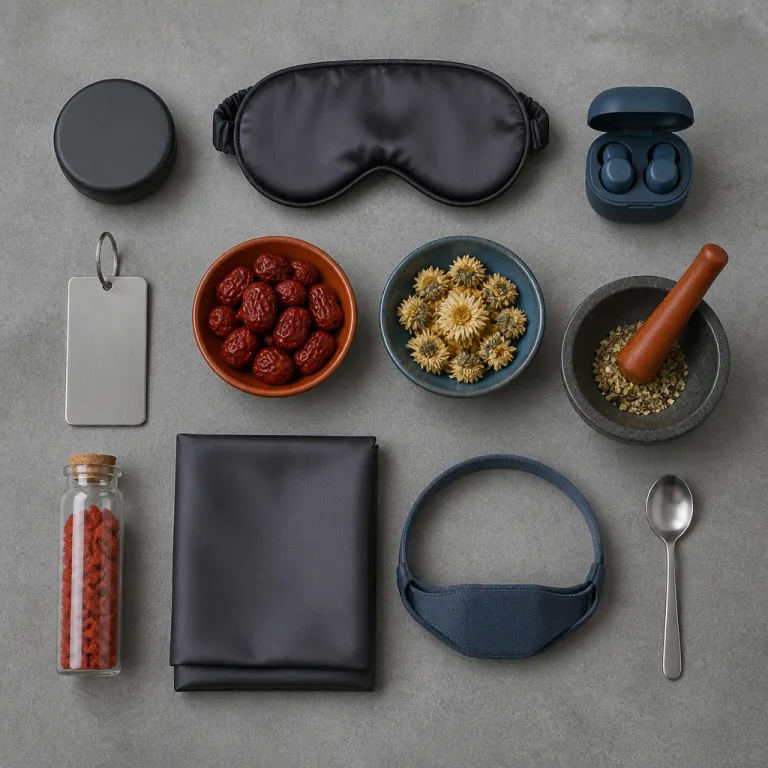
Technology may drive the headlines, but the soul of sleep tourism and wellness hotel experiences in China lies in traditional Chinese medicine. Herbal pillows filled with lavender, chrysanthemum and sour jujube seeds are not marketing props; they draw on centuries of practice around calming the heart and settling the spirit before night sleep. In many hotels and resorts, these are paired with evening tea ceremonies where specific herbs associated with rest are brewed slowly, encouraging couples to slow their own pace in parallel.
TCM informed sleep therapies often include acupuncture sessions targeted at insomnia, meridian based massage and guided qigong breathing designed for the final hour before bed. Guests who arrive from high intensity markets in North America or Europe often report that these rituals create a psychological boundary between daytime travel and nocturnal rest. The most thoughtful luxury hotels build these elements into structured programs, so that wellness is not a one off spa treatment but a sequence of small, repeatable habits that couples can take home.
One of the most common questions from first time visitors is simple; “Are ancient herbs effective for sleep?” The cautious answer from sleep specialists and TCM practitioners is equally direct; certain herbs are traditionally believed to promote better sleep, but they should be used as supportive tools rather than stand alone cures. For discerning travelers, the key is to treat these rituals as complementary to, not replacements for, evidence based sleep analysis, allowing global sleep science and local tradition to coexist in a single, quietly luxurious evening routine.
Market context: how China became a global hub for sleep focused stays
China’s rise as a sleep tourism and wellness hotel destination is not accidental; it sits at the intersection of policy, consumer demand and hospitality innovation. The Healthy China 2030 framework, a national strategy document released by the State Council, has encouraged both public and private investment into wellness infrastructure, and luxury hotels have responded by building spa complexes and sleep labs rather than only larger ballrooms. For couples who track their own health data and think in terms of long term growth, this alignment between national strategy and hotel level practice is reassuring.
On the global stage, the tourism market for wellness travel has expanded rapidly, with about 40% of travelers now seeking some form of wellness experience according to the Wellness Tourism Association. Within that, the sleep tourism segment remains relatively small but is growing faster than traditional spa only offerings as travelers look for measurable outcomes. China’s position between North America, Europe and the Middle East, combined with strong Asia Pacific air connectivity, makes it a natural hub for guests who want to break long haul journeys with structured rest rather than anonymous overnight stays.
For the hospitality industry, this shift demands serious analysis rather than trend chasing. Hotels and resorts that invest in specialized sleep programs, staff training and integrated spa facilities are likely to capture higher value guests and longer average stays. Couples comparing options across America, Europe and East Africa will increasingly look at concrete sleep offerings, not just room size or brand, when choosing their preferred accommodation type for a restorative trip.
How to choose a sleep focused wellness hotel in China as a couple
Selecting the right sleep tourism and wellness hotel for a romantic trip requires more than scanning spa photos. Start by asking each property for a free sample itinerary of their sleep programs, including timing of diagnostics, treatments and recommended rest periods. A serious hotel will respond with clear data driven explanations rather than vague wellness language, showing how they use AI powered analysis and TCM therapies to improve night sleep over a defined forecast period.
Next, look closely at the accommodation type and room level details, because this is where quality sleep is either supported or undermined. Check whether the hotel offers adjustable mattresses, pillow menus, blackout curtains and independent climate control for each side of the bed, which matters for couples with different temperature preferences. Properties that position themselves as luxury hotels but cannot specify these basics are unlikely to deliver the level of rest that discerning guests from North America or Europe expect.
Finally, consider how sleep wellness fits into your broader travel narrative across China. A culinary focused itinerary such as this hotel hopping dining trail from Chengdu to Shanghai can be balanced with quieter nights in spa oriented resorts, creating a rhythm between stimulation and recovery. Couples who treat their trip as a sequence of intentional peaks and pauses, rather than a constant sprint, tend to leave China not only with strong memories but with a measurable improvement in how they sleep.
Couples’ experience: turning shared sleep optimisation into a relationship ritual
For many couples, the most surprising aspect of a sleep tourism and wellness hotel stay in China is how intimate the process feels. Joint sleep assessments, where both partners review their data with a wellness expert, can surface long standing differences in rest patterns that were never fully discussed at home. When a hotel’s spa équipe frames these insights with sensitivity, the result is not blame but a shared project; better sleep as a form of emotional as well as physical growth.
Some hotels and resorts now offer coordinated settings where room temperature, lighting and even aromatherapy are tuned to the overlapping comfort zone of both guests. This approach recognises that quality sleep in a relationship is a negotiation, not a solo sport, and that the tourism market for couples is ready for more sophisticated solutions. In practice, this might mean staggered wind down routines, personalised herbal teas for each partner and a jointly agreed digital curfew, all supported by gentle reminders from the hotel’s wellness programs.
Over time, these rituals can become part of a couple’s travel identity, much like a favourite restaurant or preferred airline cabin. Guests who first encounter specialized sleep therapies in China often seek similar offerings in other regions, from North America to the Pacific middle corridor between the Middle East and Asia Pacific. Yet many return to China’s leading hotels and resorts because the combination of AI driven analysis, traditional herbs and quietly attentive service creates a standard for quality sleep that feels both global and unmistakably local.
Key figures shaping sleep focused wellness travel in China
- The Global Wellness Institute reports that wellness tourism as a whole has grown into a multi hundred billion dollar market, underscoring how rest focused travel has become a distinct segment within the wider wellness tourism market.
- Around 40% of travelers now seek wellness experiences on their trips according to the Wellness Tourism Association, which supports the rapid growth of sleep focused hotel offerings in major Chinese cities and resort regions.
- China’s wellness tourism market has been growing at double digit rates in recent years, with spa related revenue representing a significant share of the Asia Pacific spa market, creating strong incentives for hotels and resorts to invest in sleep programs.
- AI powered sleep analysis tools have moved from pilot projects to operational reality in leading Shanghai and Beijing properties over the last decade, reflecting the broader integration of technology into global sleep wellness strategies.
FAQ about sleep tourism and wellness hotels in China
What is sleep tourism and how does it work in China ?
Sleep tourism is travel focused on improving sleep quality through specialized programs that combine diagnostics, environment control and targeted therapies. In China, leading hotels integrate AI powered sleep analysis, TCM based rituals and spa treatments into structured itineraries that aim to enhance night sleep over several days. Guests typically undergo an initial assessment, follow a personalised schedule and then receive a final review of their progress before departure.
What is sleep tourism?
Sleep tourism is travel focused on improving sleep quality through specialized programs. In practice, this means choosing hotels and resorts that offer dedicated sleep programs, from smart mattresses and circadian lighting to herbal therapies and guided relaxation. China has become a key destination for this type of travel because it blends advanced technology with long established wellness traditions.
How do hotels use AI to enhance sleep?
Hotels use AI to enhance sleep by analyzing sleep patterns and adjusting environments accordingly. Sensors in mattresses, wearables or room devices collect data on movement, heart rate and temperature, which AI systems interpret to suggest changes in bedding, lighting or room climate. In China’s top sleep focused wellness properties, this analysis is often combined with human coaching from wellness experts to translate data into practical nightly routines.
Are ancient herbs effective for sleep?
Certain herbs are traditionally believed to promote better sleep. In Chinese wellness hotels, ingredients such as chrysanthemum, lavender and sour jujube seeds are used in pillows, teas and bath rituals designed to calm the nervous system. While individual responses vary and formal clinical evidence is still developing, many guests report that these herbal elements enhance their sense of relaxation when paired with broader sleep programs.
How should couples choose a sleep focused wellness hotel in China ?
Couples should start by asking each hotel for detailed information about its sleep programs, including the role of AI analysis, the range of spa and TCM therapies and the specific room features that support quality sleep. It is worth comparing accommodation type options, from city hotels to mountain resorts, to match personal preferences for climate, altitude and activity levels. Reading independent reviews and consulting curated platforms such as mychinastay.com helps ensure that the chosen property delivers on its promises rather than using wellness as a marketing label.