How luxury outdoor adventure hotels in China are changing family travel
Luxury outdoor adventure in China now means more than a polished hotel lobby and a skyline view. Across mainland China, five star properties from Beijing to Yunnan are quietly building serious adventure programs that let families spend the day outside, then return to a calm suite with early check in, turndown service and fine dining. For parents used to fly and flop resorts in the United States or North America, this new generation of high end adventure hotels in China feels like a different way to travel.
These properties sit in or near major cities such as Beijing, Guilin and Hong Kong, yet they push guests out toward wild rivers, high plateaus and desert edges for curated adventures. The same Beijing hotel that arranges a private driver to the Forbidden City can also book a guided hike along a quiet section of the Great Wall China trail, complete with picnic and child sized trekking poles. On mychinastay.com, you can filter luxury hotels by access to nature, then view details on which resorts offer camping style experiences, glamping tents or family friendly kayaking sessions.
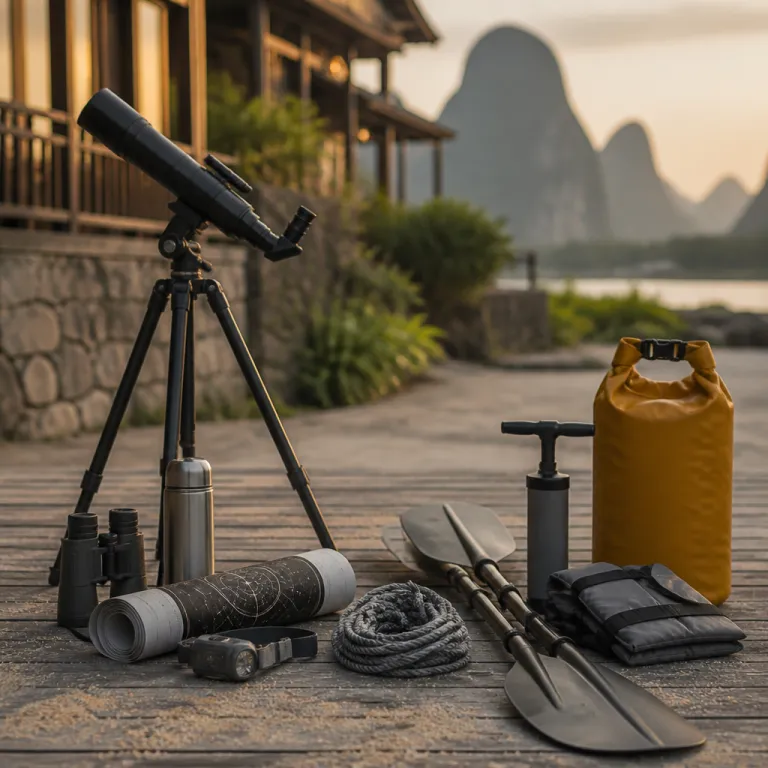
Families choosing a luxury outdoor adventure base in China should think about how far they want to go from the city, how much camping they actually enjoy and what level of comfort they expect after a long hike. Some resorts lean into full glamping with canvas tents, firepits and telescope sessions, while others keep the adventure to daylight hours and bring everyone back to marble bathrooms and heated pools. When you compare hotels, always apply a simple rule: the more remote the resort, the more you must rely on the concierge for logistics, safety and special offers that include exclusive perks for children.
Why curated outdoor programs matter for premium families
For premium families, the real luxury is not only the room category but the way a hotel edits the chaos of China adventure into something manageable. A strong concierge team will prebook guides, arrange transfers from the nearest international airport and coordinate meals so that children never wait hungry after a long trek. This level of planning turns what could be a stressful day into a seamless experience where parents can focus on the view, not the logistics.
China’s geography is vast, and the gap between a glossy city hotel and a remote trailhead can be several hours by car, so curated programs reduce risk and wasted time. When a resort has long standing relationships with local guides, families benefit from better safety standards, more flexible itineraries and access to places that are not on mass market tours. On a site like mychinastay.com, you can filter hotels by these adventure partnerships, then apply your own criteria such as family friendly room layouts, early check policies or proximity to major cities.
Parents who usually book Caribbean or Costa Rica resorts are often surprised by how Chinese luxury hotels integrate culture into outdoor adventures. A hike near Beijing might end with a tea ceremony in a village courtyard, while a river kayaking session in Guilin can include a stop at a small farm for a cooking lesson. One Guilin concierge described it simply: “We want children to remember the stories behind the mountains, not just the photos.” This blend of physical activity, local encounters and hotel level comfort is what defines the modern luxury adventure in mainland China.
Desert skies and Gobi stargazing: from hotel suite to camel camp
China’s northwest deserts feel a world away from the glass towers of Beijing or Hong Kong, yet several luxury hotels now treat them as an extension of the city break. In the Gobi Desert, where annual visitor numbers remain modest compared with coastal hubs, clear skies and minimal light pollution create some of Asia’s most dramatic night skies. Many families now pair a stay in a comfortable city hotel with a one or two day side trip to a desert resort that specialises in stargazing and soft camping.
Properties inspired by places such as Three Camel Lodge in the Mongolian Gobi show how an upscale adventure hotel in China can frame the desert for families. During the day, guests ride camels across low dunes, visit local herder camps and learn how nomadic families read the weather and the land. At night, telescopes appear beside glamping style tents, and guides answer questions like “What is the best time for stargazing in the Gobi?” and “Are kayaking tours in Guilin suitable for beginners?”.
Most desert resorts operate year round, but families should always check weather conditions and book activities in advance through the hotel concierge. Many hotels bundle special offers that include transfers, meals and exclusive perks such as private astronomy sessions for children, so ask to view details before you confirm. If you are used to a coastal resort in Costa Rica or a desert ranch in the United States, expect similar comfort levels but a stronger emphasis on local culture, with stories around the fire and traditional music after dinner.
Linking desert nights with city lights
One smart strategy is to base your family in a major city hotel, then let the concierge arrange a short Gobi extension with a trusted partner resort. This works especially well for families flying into a mainland China international airport who want to balance urban sightseeing with a taste of wilderness. You enjoy the perks of a polished city property, then step into a curated adventure without handling separate bookings or language barriers.
For example, a family might spend three nights in Beijing, exploring the Forbidden City by day and returning to a central hotel with fine dining and a pool. From there, the concierge can apply their network to secure a desert package that includes flights, transfers and a glamping style camp with proper beds rather than basic camping mats. If you are planning peak season travel, study this guide to where to book in China before every suite is gone on mychinastay.com, which explains how quickly the best adventure friendly hotels sell out.
When comparing desert hotels, look beyond glossy photos of dunes and focus on safety standards, guide training and family friendly policies. Ask whether helmets are provided for camel rides, how far medical facilities are from the camp and whether there is a clear plan for sandstorms or sudden temperature drops. A true high end outdoor adventure hotel in the desert will answer these questions confidently and will often share written protocols before you even apply your deposit.
Karst peaks and river water: Guilin, Dali and the rise of hotel led kayaking
Southern China’s karst landscapes have long drawn painters and poets, but luxury hotels now turn them into playgrounds for modern families. In Guilin and nearby Yangshuo, riverfront resorts such as Moonlit Sky Resort work with local guides to offer private kayaking on calm stretches of the Li River. These programs let guests enjoy the view of limestone peaks from water level, then return to a comfortable hotel suite rather than a basic camping hut.
Many of these properties design tiered adventures so that younger children can paddle in tandem kayaks on short routes, while teenagers and parents tackle longer day trips. Equipment is usually provided, and guided tours often include safety briefings, dry bags and snacks, which makes the experience feel more like a polished resort excursion than a rough China adventure. Families used to lake resorts in North America or Costa Rica will recognise the format, but the scenery and local culture give it a distinctly Chinese character.
Farther west in Yunnan, lakeside hotels near Dali arrange sailing or kayaking on Erhai Lake, pairing water time with village walks and market visits. These luxury hotels often combine outdoor activity with fine dining, serving Yunnan mushrooms and local vegetables in elegant dining rooms after a day on the water. For an urban counterpoint, look at refined urban serenity in Chengdu, where properties such as the Temple House show how a city hotel can still connect guests to nearby mountains and tea fields through curated day trips.
How to choose the right water based adventure hotel
When selecting a luxury outdoor adventure China hotel focused on water, start by checking how close the property sits to the river or lake. A true waterfront resort will minimise transfer times, which matters when you are managing children’s energy and attention spans. Ask the hotel to send sample itineraries and view details on how long you will actually spend paddling versus driving.
Next, look at guide qualifications, group sizes and safety ratios, especially if you are travelling with younger children or grandparents. A family friendly hotel should be transparent about life jacket standards, emergency procedures and whether guides are trained in first aid. If you are booking from the United States or another distant market, use a platform like mychinastay.com to filter hotels by adventure offerings, then apply your own criteria such as kids clubs, connecting rooms or early check in guarantees.
Finally, consider how the hotel integrates local culture into its water adventures, because this is where China stands apart from many North America resorts. Some properties include stops at riverside villages, cormorant fishing demonstrations or calligraphy workshops in old town streets. These touches turn a simple paddle into a layered experience that children remember long after the flight home, and they signal that the hotel sees adventure as more than a generic activity list.
Mountains, walls and skywalks: high altitude thrills with five star bases
China’s mountains offer some of the most dramatic family adventures in Asia, and luxury hotels are learning how to make them accessible without sacrificing comfort. In Yunnan, properties near Tiger Leaping Gorge coordinate guided treks with luggage transfers, hot showers and warm meals waiting at each stop. Parents can focus on the view and the trail, knowing that the hotel has already handled permits, transport and weather checks for the day.
Farther east, Zhangjiajie’s sandstone pillars and glass skywalks attract families who want a touch of adrenaline with their China adventure. Here, upscale hotels in the nearby city work with park authorities and local guides to time visits for quieter hours, arrange skip the line tickets and provide clear safety briefings before anyone steps onto a glass bridge. The best properties treat these adventures as an extension of their service culture, not as outsourced add ons, which is what separates a true luxury outdoor adventure China hotel from a generic city stay.
Huangshan, with its granite peaks and sea of clouds, remains a classic for sunrise hikes, and several mountain adjacent hotels now prepare packed picnic breakfasts for guests heading out before dawn. Families can hike to a viewpoint, watch the sky shift colours, then return to the hotel spa or pool by mid morning, which keeps the experience intense but not exhausting. For those who prefer to stay in major cities, some Beijing luxury hotels arrange guided hikes on quieter Great Wall sections, turning a standard wall China visit into a full day adventure with private transfers and countryside lunches.
Balancing altitude, safety and family friendly design
High altitude and steep trails demand more planning than a city museum visit, so families should ask detailed questions before booking a mountain focused hotel. Check how the property screens local partners, what equipment is provided and whether age limits apply to certain adventures such as glass bridges or cliffside paths. A serious hotel will share clear guidelines and may even suggest rest days between intense hikes, which shows respect for guest safety.
Family friendly design matters just as much as the trail map, especially when travelling with children of different ages. Look for hotels that offer flexible room configurations, kids menus, indoor play areas and pools, so that younger children can unwind while older siblings tackle longer routes. Some properties also build in exclusive perks such as complimentary laundry for hiking gear or early check in after overnight trains, which quietly transform the overall experience.
For travellers used to polished resorts in the United States or North America, these Chinese mountain hotels can feel both familiar and refreshingly different. Service standards often match those of international brands, but the rhythm of the day follows local patterns, with early starts, midday rests and long evening meals. When you find a hotel that understands both worlds, you gain a base that can translate the mountains for your family while still feeling like a true luxury resort.
Designing the perfect family friendly itinerary with China’s adventure hotels
Building a family itinerary around a luxury outdoor adventure China hotel starts with honest conversations about energy levels and interests. Some families want a single base in a major city such as Beijing, using it for day trips to the Great Wall and nearby hiking trails, while others prefer a multi stop route that includes Guilin, Dali and a short desert stay. The key is to balance intense adventures with slower days, so that children associate China with pleasure, not exhaustion.
One classic pattern for travellers from the United States is to fly into a mainland China international airport, spend several nights in Beijing for the Forbidden City and wall China excursions, then continue south to a Guilin resort for river adventures. From there, you might add a stop in Hong Kong for urban energy and harbour views before flying home to North America. Each hotel along the way should offer clear information on its adventure programs, including view details on distances, age limits and what exclusive perks or special offers apply to families.
When comparing hotels online, resist the urge to focus only on room photos and instead filter for concrete adventure features. Look for mentions of camping style experiences, glamping tents, guided kayaking, mountain hikes or desert stargazing, and read how the hotel integrates local culture into each activity. A property that treats adventure as central to its identity will usually have detailed descriptions, clear safety notes and staff who can answer specific questions about gear, weather and timing.
Practical booking tips for premium families
Most curated outdoor experiences in China require at least forty eight to seventy two hours advance booking through the hotel concierge, and they rarely appear on public platforms. This means you should contact each luxury outdoor adventure China hotel directly once you have flight dates, outlining your children’s ages, interests and any medical considerations. The more detail you provide, the better the concierge can tailor adventures and suggest realistic day by day pacing.
Ask whether the hotel offers bundled adventure packages, which can include transfers, meals and guided activities at a better rate than booking each element separately. Some properties extend exclusive perks such as complimentary upgrades, late checkout or early check in when you commit to a certain number of adventure days, especially outside peak holiday periods. Always request written confirmations that list what is included, so there is no confusion when you arrive tired from a long haul flight.
Finally, remember that a luxury adventure is not about ticking every box from desert to river to mountain in one trip. It is about choosing a few meaningful experiences and pairing them with hotels that understand both the landscape and the needs of premium families. When you find that balance, China shifts from an overwhelming destination into a place your children will ask to return to, not just a once in a lifetime journey.
FAQ
What is the best time for stargazing in the Gobi Desert ?
Clear skies are common from June to September, which makes this period ideal for families planning a Gobi stargazing extension from a city hotel. Desert resorts often operate year round, but these months usually bring the most stable conditions and the brightest night skies. Always confirm local forecasts with your luxury outdoor adventure China hotel before finalising dates.
Are kayaking tours in Guilin suitable for beginners and children ?
Are kayaking tours in Guilin suitable for beginners ? Yes, many tours cater to all skill levels. Most Guilin and Yangshuo hotels work with local guides who provide basic instruction, life jackets and stable boats, which makes these adventures accessible to families with limited paddling experience.
How far in advance should I book outdoor activities through my hotel ?
For most curated adventures, you should contact your hotel at least forty eight to seventy two hours before the planned day. This window allows the concierge to secure guides, arrange transport and adjust for weather or park regulations. During peak seasons around major holidays, consider booking key activities at the same time you reserve your rooms.
Can I combine city sightseeing with outdoor adventures in one trip ?
Many families successfully blend city stays in Beijing or Hong Kong with river, mountain or desert adventures arranged by their hotels. A common pattern is to start with cultural landmarks such as the Forbidden City and the Great Wall, then move on to Guilin or Yunnan for kayaking and hiking. Choosing hotels that specialise in both urban comfort and outdoor logistics makes these transitions smooth.
What should I look for when choosing a family friendly adventure hotel in China ?
Focus on three pillars ; safety standards, age appropriate activities and post adventure comfort. Check that the hotel uses qualified local guides, provides proper equipment and offers clear information on distances and difficulty levels. Then confirm family friendly features such as connecting rooms, kids menus, pools and flexible early check in or late checkout policies.