Shanghai and Beijing: where new luxury hotels reset the city break
Shanghai is leading the story of new luxury hotels in China this summer, with openings that change how travelers use the city for both business and leisure. The Andaz Shanghai ITC, which began welcoming guests in November 2023 with 267 carefully planned guestrooms and suites inside the ITC mixed use complex in Xuhui, feels like a vertical neighborhood, and it joins fresh arrivals such as Hyatt Centric Shanghai Jinqiao and Hyatt Regency Shanghai Jing'an to anchor a new generation of upscale properties that are wired for domestic and international travel as well as serious corporate itineraries. For guests comparing hotels across China, these Shanghai addresses offer some of the best combinations of design, service and location for luxury travel focused on quick access to the Bund, the former French Concession and Pudong meetings.
Each new Shanghai hotel uses its pool deck, spa and wellness floor as a quiet counterpoint to the city outside, and the best rooms face west for skyline views that soften in the evening haze. At Andaz Shanghai ITC, higher category suites function almost as compact apartments, which suits business travelers who will extend their stay into the weekend and plan side trips to other Chinese cities from a single base. When you check availability across these hotels, pay attention to opening offers that include late checkout, airport transfers and dining credits, because these can shift a good value stay into genuine high end territory.
Beijing is not standing still, with thousands of new rooms scheduled across the city and a wave of luxury hotel projects that will open in phases around the central business district and the historic core through 2025 and 2026. The most interesting Beijing launches pair contemporary Chinese art with restrained interiors, and several high end properties are positioning themselves as gateways to the Summer Palace and the hutong districts rather than only to Tiananmen and the central axis. For travelers who want to combine high level business meetings with cultural depth, these Beijing hotels in greater China will feel less like anonymous towers and more like urban resorts, especially when a heated indoor pool and a framed courtyard view in the hotel lobby become part of the daily rhythm.
IHG Hotels & Resorts has been explicit about its ambitions, stating in its 2023 development updates that by the middle of the decade it expects to manage around 1,400 hotels in China, and this scale matters when you are choosing between a Holiday Inn, a Vignette Collection address or one of the group’s luxury hotels in a new district. The official line from the company is clear: internal charts in investor presentations titled "Number of IHG hotels in China by 2026" and "Projected increase in luxury hotel demand in China (2026)" sit side by side in its own data, underlining how fast the market is moving. When you plan itineraries that run through Shanghai and Beijing, this depth of inventory means you can align a specific hotel brand, a preferred room type and a particular view with each leg of your China travel, instead of compromising because of limited choice.
Greater China’s power corridors: Hong Kong, Hangzhou and the Yangtze hubs
Across greater China, the most strategic new openings for summer sit along the main business and finance corridors, where executives want a luxury hotel that can pivot from boardroom to bar in a single elevator ride. Hong Kong and its neighboring cities are seeing a new wave of high end properties that lean into Chinese heritage details while still delivering the kind of technology and privacy that frequent travelers expect from the best international hotels. When you check availability in Hong Kong or nearby hubs, look for properties that frame Victoria Harbour or riverfront views, because a strong panorama from the room will matter as much as the size of the suites for guests who work long hours.
In Hong Kong itself, established names such as the Waldorf Astoria and Park Hyatt brands are shaping their greater China strategies around travelers who split their time between Shanghai, Beijing and the Hong Kong financial center. These hotels often design suites with generous desks, acoustic insulation and flexible seating, so a single space can host a video call, a private drink or a late night room service meeting without feeling cramped. For China luxury travelers who will connect through Hong Kong more than once a quarter, loyalty benefits and consistent service standards across a familiar portfolio can outweigh a marginally better skyline in a stand alone property.
Hangzhou and the Yangtze River cities are where the next tier of openings becomes interesting, especially for guests who want to plan China trips that combine lakeside calm with serious business agendas. Rosewood Hangzhou, announced for a 2025 debut with just over 150 rooms and suites overlooking Qiantang River and the city’s tech corridors, will join a cluster of luxury hotels that use West Lake and the digital economy zone as twin anchors for both leisure and business travel. When you compare properties in this region, pay attention to how each hotel uses its pool, spa and outdoor terraces to frame views of water, hills or the old city, because these details will define the feel of your stay more than a marginally larger room.
Further inland along the Yangtze, The Ritz Carlton Wuhan is slated to open around 2025 with approximately 300 guestrooms and suites, bringing a new level of luxury travel to a city that has often been treated as a transit point rather than a destination. Its riverfront position will give many rooms long views over the water, and the best categories will likely be the corner units that catch both sunrise and the evening lights along the embankment. For travelers who move frequently between Shanghai, Wuhan and Chongqing, aligning stays across brands such as Ritz Carlton, Hyatt and IHG can create a coherent pattern, especially when you use tools like this detailed look at major international expansion in Chinese hospitality to understand where the next wave of openings will land.
Resort style escapes: Suzhou, Xi'an and the new leisure circuits
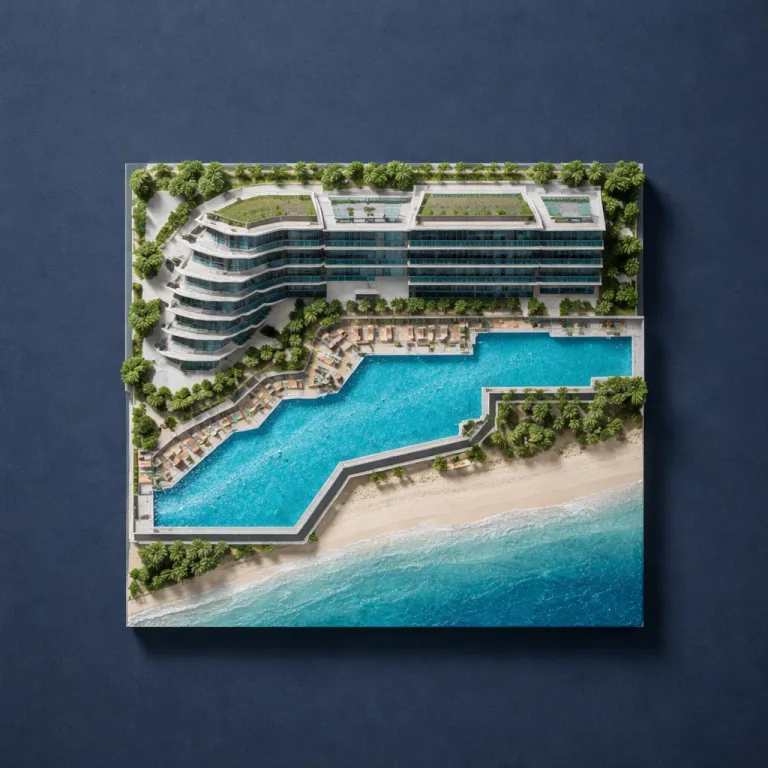
Not every new luxury hotel in China this summer sits in a financial district, and some of the most compelling openings are in cities that reward slower itineraries. Mandarin Oriental Suzhou and Rosewood Xi'an are part of a broader shift in hotels across the country, where high end brands are investing in secondary cities that offer strong cultural narratives and easier access to nature. For travelers who will extend a business trip into a long weekend, these resort like properties can feel like a reset button, especially when a landscaped pool, a quiet spa and a low rise layout replace the vertical intensity of Shanghai or Beijing.
In Suzhou, the best luxury hotels lean into water, gardens and the city’s classical heritage, and the new properties follow that pattern with courtyards, pavilions and carefully framed views. A well designed property in this context does not chase height; it focuses instead on layered perspectives across ponds, bridges and tiled roofs that change subtly with the light. When you check availability for guestrooms and suites here, look for descriptions that mention private terraces, direct garden access or corner views, because these details will matter more than a slightly larger floor plan for most travelers.
Xi'an’s new luxury hotel projects, including Rosewood Xi'an, are using the city’s imperial history and the nearby terracotta warriors as narrative anchors, but the most successful properties will also speak to contemporary Chinese life. Expect hotels that combine strong Chinese restaurant programs, discreet bars and wellness floors with a serious indoor pool, so guests can move between sightseeing, work and rest without leaving the building. For travelers who plan itineraries that link Xi'an with Chengdu, Chongqing or Yunnan, it is worth reading in depth property reviews such as this analysis of refined urban serenity in Chengdu to understand how different cities in greater China express luxury through architecture and service.
Resort style hotels in these cities often sit slightly outside the dense urban core, which means transfers take longer but the payoff is quieter nights and better air. When you compare options for a mixed business and leisure trip, consider starting in a central city hotel for meetings and then shifting to a resort property for the final two nights, rather than trying to do everything from one address. This pattern works especially well in Suzhou and Xi'an, where a luxury hotel with strong views, a generous pool and thoughtful Chinese cultural programming can turn a standard city break into something closer to a retreat.
How to book new openings smartly: rates, perks and timing
New luxury hotels in China often launch with soft opening phases, and this summer is no exception, which creates both opportunities and trade offs for travelers. Opening season offers can include preferential rates, complimentary breakfast, spa credits or guaranteed late checkout, but service teams may still be refining routines and some facilities such as the main pool or signature restaurant might open in stages. When you check availability for a brand new luxury hotel, read the fine print carefully and, if necessary, contact the property directly to confirm which outlets and suites are fully operational.
For business travelers who will rely on a hotel as a temporary office, stability can matter more than novelty, so it may be wiser to book a slightly older luxury hotel in the same city and then visit the new property for drinks or dinner. In Shanghai, Beijing and Hong Kong, where the density of high end hotels is already high, this strategy lets you enjoy the design and views of a new address without risking teething issues that could disrupt meetings or calls. In emerging markets such as Wuhan or secondary cities in greater China, however, a new opening may represent the best option in town, especially if it is part of a global group such as Hyatt, IHG, Ritz Carlton or Banyan Tree that can draw on experienced Chinese équipes.
Leisure focused travelers who plan China trips around cultural sites should think about how a hotel’s location interacts with daily sightseeing patterns, not just about the brand name. A property positioned between the central business district and the historic core can save an hour of commuting each day, and a hotel near the Summer Palace or a major temple complex might allow early morning visits before the crowds, especially if you use strategies like those outlined in this guide to accessing major Chinese sites without the crowds. When you compare luxury resorts and city hotels for high end travel, weigh the value of a slightly smaller room against the benefit of a better location and a more interesting neighborhood, because in dense Chinese cities the latter often delivers a higher return on your overall experience.
Finally, remember that brands such as Holiday Inn, Vignette Collection, Park Hyatt, Waldorf Astoria and Banyan Tree now operate across multiple tiers of the China market, from flagship luxury hotels in Shanghai and Beijing to quieter properties in secondary cities. This spread allows you to build a coherent China travel pattern where loyalty points, familiar service standards and similar room layouts follow you from city to city, even as the views and local details change. For travelers who will return to China several times a year, this consistency can be as valuable as any single spectacular vista, especially when every hotel on the itinerary offers a reliable pool, well designed guestrooms and suites and a clear sense of place rooted in contemporary Chinese life.
FAQ: new luxury hotels in China for summer stays
Which international luxury brands are opening new hotels in China this summer ?
IHG Hotels & Resorts, The Ritz Carlton and Rosewood Hotels & Resorts are all expanding their presence with new luxury hotels across China during the summer season. These openings range from city hotels in Shanghai and Beijing to more resort oriented properties in places like Hangzhou and Xi'an. Travelers can expect a mix of business focused towers and leisure friendly retreats, often with strong Chinese design influences.
How early should I book new luxury hotels in Shanghai or Beijing ?
For peak summer dates in Shanghai or Beijing, it is wise to check availability at least six to eight weeks in advance, especially for newly opened luxury hotels with limited top tier suites. Soft opening promotions can sell out quickly because they offer strong value to early adopters. If your travel dates are fixed around major events or business meetings, consider booking flexible rates even earlier and adjusting as your plans firm up.
Are new luxury hotels in secondary Chinese cities suitable for business travel ?
New openings in secondary cities such as Wuhan, Suzhou or Xi'an are increasingly designed with business travelers in mind, offering high speed connectivity, well equipped meeting rooms and quiet executive floors. Many belong to global groups like Hyatt, IHG or Ritz Carlton, which helps ensure consistent service standards. For executives who will combine meetings with local exploration, these hotels often provide a better balance of comfort, views and cultural access than older properties.
What are the main advantages of staying in a brand new luxury hotel ?
Brand new luxury hotels typically offer the latest room technology, fresh interiors and often more generous wellness areas, including modern pools and gyms. During opening season, rates can be competitive compared with established peers, and hotels may include extras such as breakfast or spa credits to build word of mouth. The trade off is that some services may still be fine tuned, so guests who value absolute predictability might prefer slightly more established properties.
How do I choose between a city tower and a resort style property in China ?
The choice depends on whether your priority is fast access to meetings and transport hubs or a slower pace with stronger leisure facilities. City towers in places like Shanghai, Beijing or Hong Kong work best for dense business schedules, while resort style hotels near lakes, rivers or historic sites suit travelers who will spend more time on cultural visits and relaxation. Many itineraries benefit from combining both, starting with a central city hotel and ending with a quieter resort for recovery before the flight home.