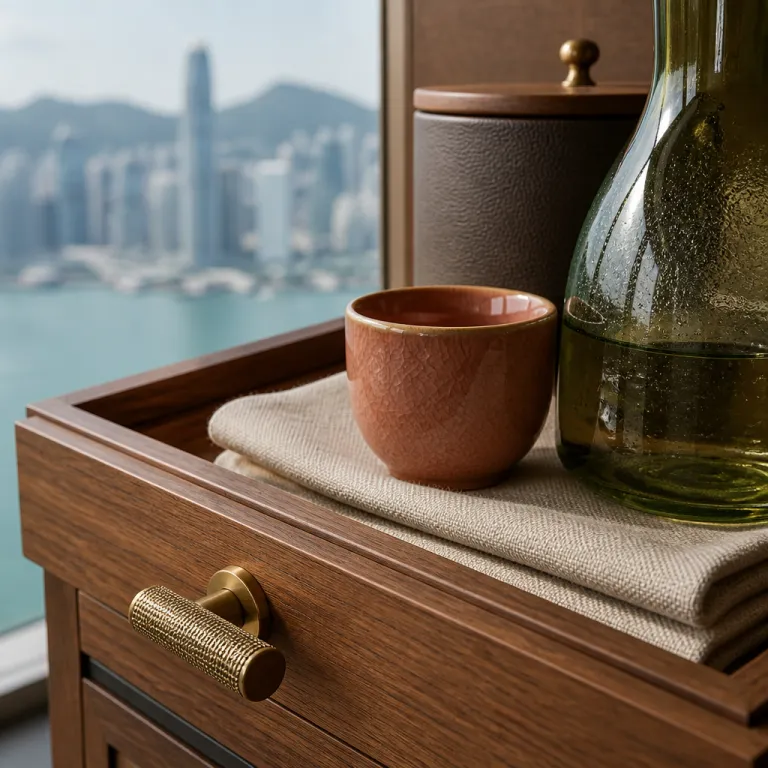
Choosing the most convenient place to stay in Hong Kong
Finding the most convenient place to stay in Hong Kong starts with understanding how the city moves. The MTR network, walkable harbourfronts, and compact districts mean your chosen hotel can cut travel time dramatically and turn every night into extra time for dining or shopping. When you plan where to stay on Hong Kong Island or in Kowloon, think in terms of transport corridors and station clusters rather than isolated spots on the map.
For many first time visitors, Central is the natural anchor because it combines the business core with leisure, dining, and easy access to outlying island escapes. Official tourism summaries and major booking platforms all highlight Central as one of the densest luxury hotel zones in the city, with dozens of upscale properties within a short radius. This concentration makes Central one of the best areas to stay for travellers who want an excellent balance between harbour views, efficient transport, and refined service.
Official guidance often answers the question of which area is best for first-time visitors with a clear statement: “Central is ideal for first-time visitors due to its central location and amenities.” That single line captures why so many guests choose a hotel on the island side rather than a property deeper in Kowloon on their first stay. From Central, you can reach Sheung Wan, Wan Chai, Causeway Bay, and even Mong Kok in under thirty minutes by MTR, which is a good benchmark when you compare different hotels and districts.
How Hong Kong’s layout shapes your stay
Hong Kong is split between Hong Kong Island and the Kowloon peninsula, with outlying islands forming a wider leisure ring. When you evaluate the most convenient place to stay in Hong Kong, picture a north shore arc running from Sheung Wan through Central and Wan Chai to Causeway Bay on the island, mirrored by Tsim Sha Tsui, Jordan, and Mong Kok in Kowloon. This arc follows the main MTR lines and ferry routes, which is why so many of the best area choices sit along it.
On Hong Kong Island, Central and Sheung Wan offer fast access to the Airport Express, ferries to Macau, and the Mid-Levels Escalator, while Wan Chai and Causeway Bay bring you closer to nightlife and shopping. Across Victoria Harbour, Tsim Sha Tsui in southern Kowloon and Mong Kok further north form a second spine of hotels, malls, and dining streets that appeal to both luxury travellers and those on a more careful budget. When you compare these places to stay, remember that a five minute walk to an MTR station often matters more than a slightly larger room or an extra in-room amenity.
Luxury and premium travellers using China-based booking platforms usually filter first by district and then by walking distance to transit. That approach works well in Hong Kong, where a hotel that is a three minute walk from an MTR station can save you close to an hour each day compared with a property hidden on a hillside. In practice, the most convenient place to stay in Hong Kong is rarely the absolute closest hotel to one attraction, but the address that keeps most of your itinerary within a short, predictable ride.
Central, Sheung Wan and Admiralty: efficient luxury on Hong Kong Island
Central, Sheung Wan, and Admiralty form the executive heart of Hong Kong Island, and they consistently rank among the best places to stay for business and leisure combined. Central is where you find flagship properties from global luxury brands, many of them within a five minute walk of the Airport Express and major office towers. For travellers who value time as much as comfort, this cluster is often the most convenient place to stay in Hong Kong.
In Central, hotels such as Four Seasons Hotel Hong Kong, The Landmark Mandarin Oriental, and Mandarin Oriental, Hong Kong sit roughly three to eight minutes on foot from Central or Hong Kong stations via covered walkways. That proximity means you can step off the Airport Express and be in your room in under twenty minutes, even on a busy weekday. For meetings in Central’s office towers, most guests can walk rather than rely on taxis, using elevated walkways that link IFC, Exchange Square, and nearby malls.
Sheung Wan sits immediately west of Central and offers a slightly quieter, more residential feel while still being only a short walk from Central’s skyscrapers. The area blends heritage temples, coffee shops, and galleries with mid to high end hotels, giving guests a good balance between local character and polished service. Properties like The Jervois, The Putman, and ibis Hong Kong Central & Sheung Wan are typically three to six minutes from Sheung Wan MTR station (Exits A2 or C), and because that station lies on the same Island Line as Central and Wan Chai, you can stay on the island side here and still reach Kowloon with a single, simple transfer.
Admiralty, sandwiched between Central and Wan Chai, is another excellent base for premium travellers who want seamless connectivity. From Admiralty station, you can ride the South Island Line to Ocean Park, change to the Tsuen Wan Line for Tsim Sha Tsui, or walk through air-conditioned malls to your hotel without crossing busy streets. Hotels such as The Upper House, JW Marriott Hotel Hong Kong, and Island Shangri-La connect directly to Pacific Place and are two to five minutes from the station concourse, which helps explain why Admiralty’s properties often show strong occupancy in reports on record hotel performance for luxury travellers in China.
When Central is the best area for you
Central is the best area if your itinerary mixes fine dining, finance meetings, and quick ferry trips to outlying islands. You can walk from many hotels to the Star Ferry in under ten minutes, then cross to Tsim Sha Tsui for harbourfront museums and Kowloon shopping. At night, you return to a quieter, more controlled environment, which many luxury guests prefer after a busy day in Mong Kok or Sha Tin.
For travellers using a mid to high budget that still allows for premium comfort, Central and Sheung Wan offer a range of hotels from upper midscale to full luxury. You might choose a harbour view suite for a special night, then shift to a slightly smaller room inland for the rest of your stay. Because there is a high concentration of hotels in Central alone, competition keeps service standards strong and gives you excellent value compared with some other global financial hubs.
Guests who prioritise wellness and calm often appreciate how quickly they can leave the dense core and reach green spaces from Central. A short taxi ride takes you to the Peak Tram, and from there you can walk shaded paths with sweeping views over Hong Kong Island and Kowloon. That combination of urban intensity and easy access to nature is a key reason many repeat visitors still consider Central the most convenient place to stay in Hong Kong for a balanced trip.
Wan Chai and Causeway Bay: vibrant island living with fast connections
Moving east from Central, Wan Chai and Causeway Bay offer a more energetic, retail focused version of Hong Kong Island while remaining highly practical bases. Wan Chai mixes convention centres, harbourfront promenades, and historic streets, making it a good choice if you attend events at the Hong Kong Convention and Exhibition Centre. Causeway Bay, by contrast, is one of the densest shopping districts in the world, and many travellers consider it the best area for late night dining and fashion.
When you evaluate the most convenient place to stay in Hong Kong, these two districts stand out because they sit directly on the Island Line and are only a few stops from Central and Sheung Wan. A hotel in Wan Chai often places you within a five to eight minute walk of the MTR station (Exits A1, A2, or C), tram lines, and cross harbour bus routes to Kowloon. In Causeway Bay, the single MTR station handles enormous passenger volumes, yet it remains efficient enough that you can reach Tsim Sha Tsui or Mong Kok in under twenty minutes most days.
In Wan Chai, hotels such as Grand Hyatt Hong Kong, Renaissance Hong Kong Harbour View Hotel, and The St. Regis Hong Kong sit roughly three to seven minutes from Wan Chai MTR or the convention centre, with elevated walkways leading directly to the harbourfront. In Causeway Bay, options like The Park Lane Hong Kong, a Pullman Hotel, Lanson Place Causeway Bay, and Crowne Plaza Hong Kong Causeway Bay are usually within a five to eight minute walk of Causeway Bay station exits near Times Square or Victoria Park, putting you close to Times Square, Hysan Place, and the tram line.
Luxury and premium hotels in Wan Chai and Causeway Bay tend to emphasise lifestyle amenities such as rooftop pools, harbour view lounges, and direct mall access. For travellers booking through Chinese luxury platforms that also feature destinations like the West Lake in Hangzhou, the urban energy of Causeway Bay contrasts beautifully with lakeside retreats such as those profiled in an in-depth look at a new West Lake luxury property. That contrast allows you to design a multi city China itinerary where Hong Kong provides the cosmopolitan edge and mainland cities deliver slower paced stays.
Who should stay in Wan Chai or Causeway Bay
Wan Chai suits travellers who want to stay on Hong Kong Island close to both business and nightlife without the intensity of Central’s office core. You can walk from many hotels to the harbourfront in under ten minutes, then continue along the promenade towards Central or Causeway Bay for an evening stroll. The area also offers excellent access to the cross harbour Star Ferry from Wan Chai pier, which connects you to Tsim Sha Tsui in Kowloon.
Causeway Bay is ideal if shopping, dining, and people watching sit at the centre of your trip. Here, the most convenient place to stay in Hong Kong often means a hotel directly above or beside a major mall, so you can move between your room, restaurants, and the MTR station without stepping into the rain. Because Causeway Bay has only one MTR station, choosing a hotel within a short walk of its exits is critical for a smooth stay.
Both Wan Chai and Causeway Bay work well for travellers on a flexible budget who still want premium touches. You might book a club level room with lounge access for a few nights, then shift to a slightly smaller space while keeping the same excellent location. Either way, these districts on Hong Kong Island give you a strong mix of convenience, atmosphere, and access to the rest of the city.
Tsim Sha Tsui and Kowloon: harbour views and cross harbour convenience
Across Victoria Harbour from Central and Wan Chai, Tsim Sha Tsui anchors the southern tip of Kowloon and remains one of the most popular places to stay. The district stretches from the Star Ferry piers and Avenue of Stars up to Jordan Road, with luxury hotels lining the waterfront and premium hotels filling the inner streets. Many travellers consider Tsim Sha Tsui the most convenient place to stay in Hong Kong if they want iconic skyline views and easy access to both Kowloon and Hong Kong Island.
The area commonly referred to as Tsim Sha Tsui, sometimes shortened in informal speech, is dense with shopping malls, museums, and restaurants. Major hotel booking platforms and recent tourism overviews show that nightly rates here span a wide range, reflecting its status as a prime yet varied market. That spread allows both high end and budget conscious travellers to find a suitable option while still enjoying excellent harbourfront access.
From Tsim Sha Tsui MTR station, you can reach Central in roughly ten minutes via the Tsuen Wan Line, while the East Tsim Sha Tsui station connects you to the Tuen Ma Line for New Territories excursions. This dual station setup makes Tsim Sha Tsui one of the best area choices for guests who plan to explore Mong Kok, Sha Tin, and other parts of Kowloon as well as Hong Kong Island. It also explains why official tourism answers to the question “Which district offers the best harbour views?” often state: “Tsim Sha Tsui provides stunning harbour views.”
Along the waterfront, hotels such as The Peninsula Hong Kong, InterContinental Grand Stanford Hong Kong, and Regent Hong Kong sit two to six minutes from the promenade and roughly five to ten minutes from Tsim Sha Tsui or East Tsim Sha Tsui stations, depending on the exit you choose. Further inland, properties like The Mira Hong Kong and Hyatt Regency Hong Kong, Tsim Sha Tsui offer slightly quieter streets while still keeping you within a short walk of Nathan Road and major malls.
Beyond Tsim Sha Tsui: Mong Kok and wider Kowloon
Moving north, Mong Kok is famous for its neon lit markets, sneaker streets, and dense residential towers. For some travellers, staying in Mong Kok or nearby Kowloon districts offers a more local, energetic experience than the polished harbourfront of Tsim Sha Tsui. The area’s hotels range from simple properties suited to a tighter budget to premium hotels that provide quiet rooms above the bustle.
When you consider Mong Kok as a place to stay, focus on proximity to the Mong Kok or Mong Kok East MTR stations. A hotel within a five to seven minute walk of either station keeps you well connected to Central, Tsim Sha Tsui, and even the border crossings towards mainland China. Popular choices such as Cordis, Hong Kong, Royal Plaza Hotel, and Stanford Hotel Hong Kong are typically three to eight minutes from nearby stations, which makes Mong Kok a good base for travellers who plan to combine a Hong Kong stay with a wider China journey that might include luxury destinations such as Shangri-La, often highlighted in refined travel guides for high end hotel guests.
Elsewhere in Kowloon, districts such as Hung Hom and Whampoa offer quieter waterfront promenades and residential towers. These areas can be excellent for longer stays, especially if you value space and a calmer night environment over immediate access to Central. However, for a first or short visit focused on efficiency, Tsim Sha Tsui and Mong Kok remain the most convenient places to stay on the Kowloon side.
Kowloon Bay, Hung Hom and the role of harbourfront luxury
Beyond the classic Tsim Sha Tsui and Mong Kok axis, Kowloon Bay, Hung Hom, and adjacent waterfront districts have emerged as strong contenders for the most convenient place to stay in Hong Kong for certain travellers. These areas combine modern residential towers, office complexes, and large scale hotels with sweeping views over Hong Kong Island. Because they sit slightly away from the busiest tourist streets, they often deliver excellent value for space and service.
In Kowloon Bay and the neighbouring Kai Tak waterfront, you will find large mixed use developments that integrate hotels, malls, and office towers. Many of these properties position themselves as lifestyle hubs where guests can work, dine, and relax without leaving the complex, which suits business travellers with tight schedules. When you choose a hotel here, verify that it sits within a comfortable walk of an MTR station or offers frequent shuttle services to key hubs such as Tsim Sha Tsui or Central.
Hung Hom and the surrounding Whampoa area also host several premium hotels that appeal to families and long stay guests. Properties such as Kerry Hotel, Hong Kong, Harbour Grand Kowloon, and Hotel ICON offer larger rooms, harbour view pools, and direct access to promenades that face Hong Kong Island’s skyline. For travellers who value a calm night environment but still want to reach Central or Causeway Bay in under thirty minutes, this part of Kowloon can be a good compromise between convenience and tranquillity.
How to decide between harbourfront and inner city stays
Choosing between a harbourfront hotel and an inner city property depends on how you plan to use your room. If you expect to spend significant time relaxing in the hotel, a waterfront location in Kowloon Bay, Hung Hom, or Tsim Sha Tsui can transform each night into a private light show. On the other hand, if you will be out from morning until late, an inner city hotel a short walk from an MTR station in Central, Wan Chai, or Mong Kok may feel more practical.
Harbourfront hotels tend to command higher nightly rates, but they also deliver some of the best views in the city. When you compare options on a luxury focused Chinese booking website, pay attention to whether the quoted rate guarantees a harbour view or only offers it as an upgrade. That detail can significantly affect both your budget and your overall impression of the most convenient place to stay in Hong Kong for your specific trip.
Inner city hotels, especially those in Mong Kok, Sheung Wan, or Causeway Bay, often trade panoramic views for immediate street level access to shops and restaurants. For many guests, being able to step out of the lobby and find late night dining within a two minute walk is more valuable than a distant skyline. Ultimately, the right place to stay is the one that aligns your daily rhythm with the city’s transport grid and neighbourhood character.
Practical tips for choosing the right district and hotel
When you use a luxury and premium hotel booking website in China to plan your Hong Kong stay, start by mapping your key activities. List the attractions, meetings, and dining reservations you care about most, then group them by Hong Kong Island or Kowloon. This simple exercise often reveals whether Central, Wan Chai, Causeway Bay, Tsim Sha Tsui, or Mong Kok will be the most convenient place to stay in Hong Kong for you.
Next, filter hotels by walking distance to the nearest MTR station, aiming for a maximum of a five to eight minute walk. In Central and Sheung Wan, that might mean choosing a hotel close to the Mid-Levels Escalator or the Airport Express, while in Kowloon it could mean staying near Tsim Sha Tsui, Mong Kok, or Kowloon Bay stations. Remember that a slightly smaller room in a better connected area often delivers a better overall experience than a larger suite in a more remote location.
Finally, consider how your Hong Kong stay fits into a wider China itinerary that may include destinations such as Hangzhou, Shanghai, or Shangri-La. Many high end travellers now combine a few intense nights in Hong Kong with slower paced stays at lakeside or mountain resorts, using Hong Kong’s international airport as a gateway. In that context, a hotel near Central or Kowloon station can be the best area choice because it simplifies airport transfers while still giving you a memorable final night in the city.
Key statistics on Hong Kong hotel locations and convenience
- Central and the surrounding core business districts contain one of the highest concentrations of hotels in Hong Kong, according to Hong Kong Tourism Board overviews, giving travellers a dense cluster of luxury and premium options within a compact area.
- Hotel prices in Tsim Sha Tsui span a broad range on major booking platforms, reflecting its status as a prime yet varied Kowloon market where both upscale and mid range properties compete.
- Causeway Bay has one primary MTR station on the Island Line, and its central location on Hong Kong Island allows guests to reach Central or Tsim Sha Tsui in roughly ten to twenty minutes by train.
- Staying within a five to eight minute walk of an MTR station in districts such as Central, Wan Chai, Causeway Bay, Tsim Sha Tsui, or Mong Kok can save travellers up to an hour of commuting time per day compared with more remote locations, based on typical walking and transfer times.
- Harbourfront districts like Tsim Sha Tsui and Hung Hom typically command higher average daily rates than inner Kowloon areas, but they offer direct views of the Hong Kong Island skyline that many luxury travellers consider a core part of the experience.
Frequently asked questions about where to stay in Hong Kong
Which area is best for first time visitors to Hong Kong ?
For first time visitors, Central is often the best area because it combines efficient transport, a high density of hotels, and easy access to major sights on both Hong Kong Island and in Kowloon. You can reach the Peak Tram, the Star Ferry, and key business addresses within minutes. This centrality makes it easier to adjust your plans as you learn the city.
Is it better to stay on Hong Kong Island or in Kowloon ?
Hong Kong Island, especially Central, Wan Chai, and Causeway Bay, works well if your focus is business, dining, and quick access to the Peak and island ferries. Kowloon, particularly Tsim Sha Tsui and Mong Kok, is ideal for shopping, markets, and panoramic views of the Hong Kong Island skyline. Many travellers split their stay between both sides to experience the contrast.
How close should my hotel be to an MTR station ?
For maximum convenience, choose a hotel within a five to eight minute walk of an MTR station. In dense districts such as Central, Tsim Sha Tsui, and Mong Kok, this distance keeps most of the city within a short ride. Being closer than a three minute walk is a bonus, but beyond ten minutes the daily time cost becomes noticeable.
Where should I stay for the best harbour views ?
Tsim Sha Tsui on the Kowloon side offers some of the best direct views of the Hong Kong Island skyline, especially from harbourfront hotels along the promenade. Hung Hom and parts of Kowloon Bay also provide excellent vistas with slightly quieter surroundings. On the island side, select properties in Central and Wan Chai offer impressive but more angled harbour views.
Which area is best for shopping and nightlife ?
Causeway Bay on Hong Kong Island and Mong Kok in Kowloon are top choices for intensive shopping, from international brands to local street markets. For nightlife, Wan Chai and the Lan Kwai Fong area near Central provide a wide range of bars and late night dining. Staying in or near these districts keeps your evening venues within a short walk or a quick MTR ride.