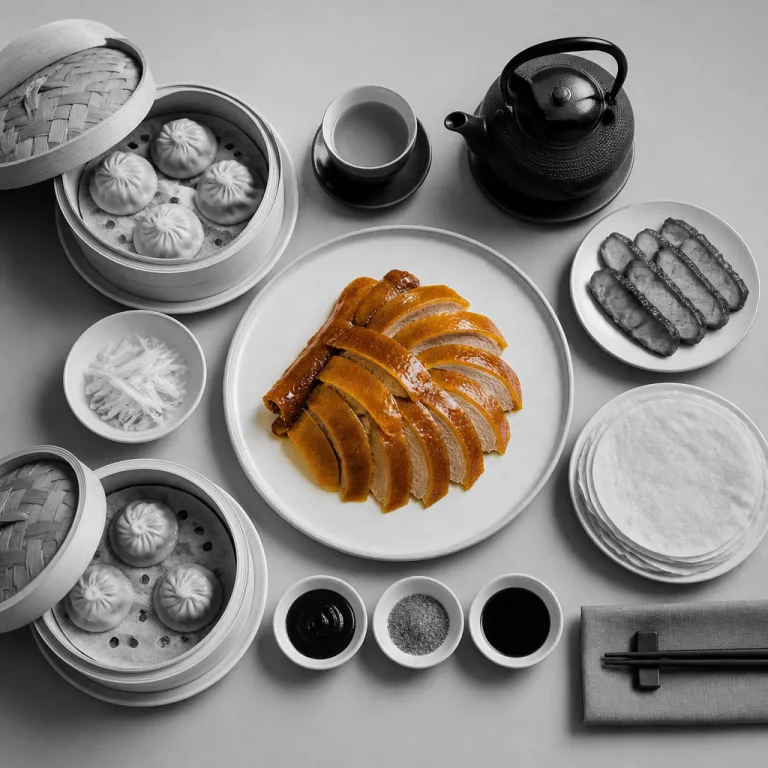
How china hotel dining programs became serious culinary destinations
China hotel dining program culinary destination strategies now shape how couples plan every stay. Across mainland China, leading hotels and resorts treat each restaurant as a standalone culinary destination with its own story, service style and regional focus. For travelers who care about food, the hotel is no longer just a place to sleep.
In Shanghai, Beijing and Chengdu Sichuan, executive chefs build menus around local ingredients sourced from the nearest local market, then layer in refined international cooking techniques to meet high quality expectations. This shift is driven by guests who track restaurants through the MICHELIN Guide, follow gastronomy trends on Google and expect a hotel restaurant to match the best destination restaurants in the city. As a result, luxury hotels and resorts in China compete directly with independent restaurants for culinary culture credibility and repeat local community business.
IHG Hotels & Resorts in Greater China has pushed this evolution with its Star Chef Gourmet Tour, which spans nearly 50 properties and treats rice as a narrative thread for regional food culture. At Crowne Plaza Hangzhou Science City, an eight course dining experience explored rice through dishes such as Pomegranate Shaped Beef with Crispy Rice Bun and Squid Ink Egg Tart with Rice Reduction, turning a standard hotel dinner into a thoughtful exploration of culinary heritage. For couples choosing where to travel, these award winning programs create a powerful sense of place and turn a single hotel into a multi night culinary journey.
Michelin, regional identity and the race for culinary credibility
When the MICHELIN Guide combined Shanghai, Jiangsu and Zhejiang into a single edition, it confirmed that hotel restaurants in mainland China now stand alongside independent destination restaurants. Shanghai alone counts dozens of starred restaurants, and several are located inside luxury hotels that treat gastronomy as a core brand pillar rather than a side business. For travelers, this means a china hotel dining program culinary destination can be evaluated with the same rigor as any city restaurant.
Regional culinary traditions are central to this credibility, especially in Chengdu Sichuan, Guangzhou and coastal Fujian. In Chengdu Sichuan, hotel chefs work with local food producers to source green peppercorns, fermented broad bean paste and seasonal vegetables, then apply precise cooking techniques to balance heat, fragrance and texture for both local guests and international couples. Along the Fujian coast, hotels and resorts highlight seafood driven food culture with menus that reference traditional fishing community recipes while still feeling contemporary and romantic.
For couples planning travel, the key is to read how each hotel frames its culinary culture in relation to local culture and the wider MICHELIN ecosystem. Some properties aim for the MICHELIN Guide with tasting menus and formal service, while others focus on relaxed destination restaurants that still use high quality local ingredients and respect culinary heritage. To understand how these dynamics are reshaping where you should eat in China, look at how hotel dining rooms are increasingly mentioned alongside independent venues in serious restaurant coverage and regional guides.
From hong kong to Chengdu Sichuan: where hotels feel like true culinary destinations
Hong Kong has long been the benchmark for hotel dining in Greater China, with properties that host MICHELIN starred Cantonese restaurants, French fine dining rooms and destination bars under one roof. For couples, a single stay can include dim sum lunches, seafood focused tasting menus and late night cocktails without ever leaving the hotel. This density of restaurants inside hotels and resorts set the template for the china hotel dining program culinary destination model now spreading across mainland China.
On Hong Kong Island and in Kowloon, hotel chefs collaborate closely with the local market networks in neighborhoods like Wan Chai and Yau Ma Tei to secure daily deliveries of live seafood, seasonal vegetables and specialty soy products. These local ingredients anchor menus that respect traditional Cantonese culinary traditions while still appealing to international travel expectations for variety and presentation. When you compare properties, look for how clearly each restaurant explains its connection to local culture, whether through tea pairings, dim sum craftsmanship or reinterpretations of classic dishes.
Chengdu Sichuan offers a different but equally compelling sense of place, with hotel restaurants that showcase numbing spice, smoked flavors and fermented elements in both casual and fine dining formats. Some hotels and resorts there now operate destination restaurants that attract local community diners first and hotel guests second, reversing the old hierarchy. For a deeper gourmet guide to how Hong Kong hotel dining has influenced this shift, explore editorial coverage that tracks the evolution from large buffets to tightly curated, award winning culinary concepts aimed at couples who plan trips around food.
Inside the kitchen: how hotels use local ingredients and techniques to build identity
Behind every successful china hotel dining program culinary destination sits a supply chain rooted in local ingredients and long standing relationships with producers. In cities like Xiamen and Quanzhou in Fujian, chefs visit the local market at dawn to choose shellfish, seaweed and vegetables that will define the day’s menu. This direct connection to place allows hotels and resorts to express local food culture with more nuance than a generic international buffet ever could.
Chefs then apply a mix of traditional cooking techniques and contemporary methods to translate culinary heritage into something couples want to eat on a romantic trip. A Fujian inspired restaurant might steam fish with aged rice wine and bamboo shoots in clay pots, while a Chengdu Sichuan kitchen tempers wok fried heat with slow cooked broths and delicate cold dishes. In both cases, the goal is to create a dining experience that feels rooted in local culture yet polished enough to satisfy guests who regularly eat at MICHELIN level restaurants.
For travelers comparing hotels online, pay attention to how clearly each property explains its sourcing, culinary traditions and relationship with the surrounding community. Menus that name specific farms, fishing villages or tea gardens usually signal a deeper sense of place and a more thoughtful approach to food culture. If you are planning a wellness focused escape, consider pairing these gastronomic stays with properties that also invest in regional spa rituals and thermal experiences, as highlighted in specialist guides to Chinese wellness stays that link cuisine, landscape and slow travel.
How to choose a hotel for serious gastronomy focused travel
For couples who plan travel around food, choosing the right china hotel dining program culinary destination starts with research that goes beyond glossy photos. Look at how many restaurants the hotel operates, whether any are recognized by the MICHELIN Guide and how clearly each venue articulates its culinary culture. A property that treats its main restaurant as a true destination restaurant will usually highlight chef profiles, sourcing stories and seasonal menu changes.
Next, read how the hotel speaks about local culture and community, especially in regions like Chengdu Sichuan, Fujian and Hong Kong. Properties that emphasize local food partnerships, collaborations with neighborhood restaurants and participation in citywide gastronomy events tend to offer richer dining experiences. When possible, cross check guest reviews with independent coverage from trusted publications rather than relying only on Google ratings or brand marketing language.
Finally, consider how the overall stay supports your culinary ambitions, from breakfast quality to room service and bar programs. Award winning hotels and resorts often design packages that let guests explore multiple restaurants on site, sometimes pairing tasting menus with market tours or cooking classes focused on regional culinary traditions. For deeper context on how MICHELIN’s expansion into cities like Chengdu and Hangzhou is reshaping hotel dining, look for analytical pieces that track which properties are earning stars and how that recognition changes both pricing and reservation patterns.
FAQ
How important is the MICHELIN Guide when choosing a hotel restaurant in China ?
The MICHELIN Guide is a useful benchmark because it evaluates both hotel restaurants and independent venues with the same criteria. A star or Bib Gourmand can signal consistent high quality, but it should be weighed alongside how well the restaurant reflects local culture and culinary heritage. For many couples, a mix of MICHELIN recognized venues and characterful local restaurants around the hotel offers the best balance.
Can hotel restaurants in China really match standalone destination restaurants ?
In major cities such as Shanghai, Beijing, Chengdu and Hong Kong, several hotel restaurants now operate as true destination restaurants that attract local diners first. These venues invest heavily in chefs, local ingredients and distinctive cooking techniques, often earning MICHELIN recognition. When a hotel treats gastronomy as a core identity rather than an amenity, its dining experience can rival or surpass independent restaurants.
What should couples look for in a china hotel dining program culinary destination ?
Focus on how clearly the hotel explains its culinary culture, from sourcing local ingredients to honoring regional culinary traditions. Check whether at least one restaurant feels like a standalone place with a defined concept, rather than a generic all day dining room. Finally, look for options that let guests explore both traditional dishes and more experimental menus during the same stay.
Are regional cuisines like Sichuan and Cantonese well represented in hotel dining ?
Yes, regional cuisines are central to how hotels in mainland China and Hong Kong build a sense of place. In Chengdu Sichuan, many properties highlight peppercorn heat, fermented flavors and classic snacks, while Cantonese focused hotels emphasize dim sum, seafood and slow cooked soups. The strongest programs balance authenticity with accessibility so international travelers can enjoy local food culture without feeling overwhelmed.
How far in advance should I reserve hotel restaurants in China ?
For MICHELIN starred or award winning hotel restaurants in major cities, reservations several weeks ahead are advisable, especially for weekend dinners. More casual venues inside hotels and resorts may accept same day bookings, but popular brunches and afternoon teas often fill quickly. When planning a special occasion trip, contact the hotel’s dining team early to secure preferred times and discuss any dietary needs.