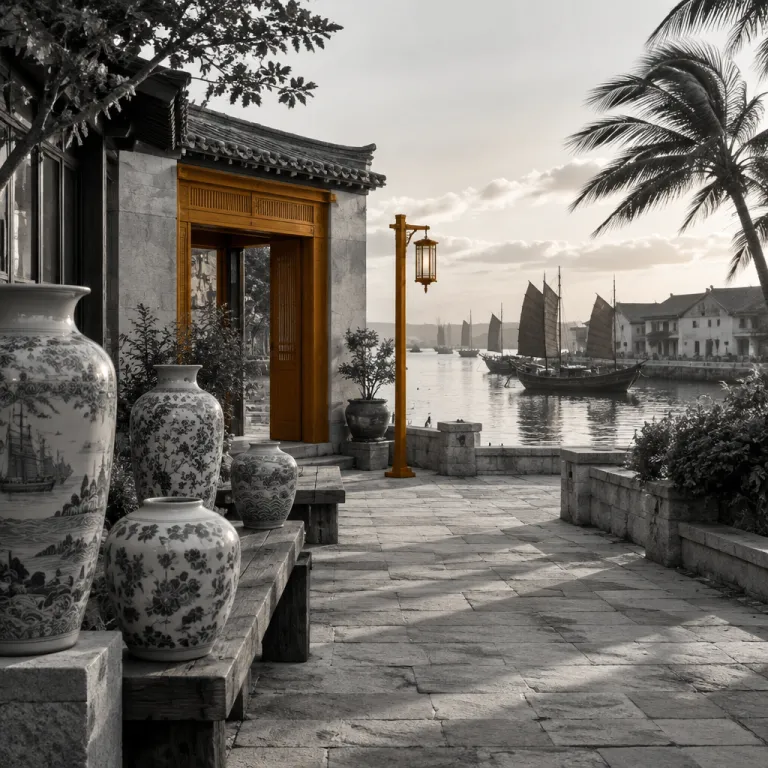
Jingdezhen and Quanzhou: where heritage shapes the next wave of luxury
Jingdezhen and Quanzhou sit far from the usual first trip circuit in China. Yet the emerging constellation of premium hotels and resorts here shows why jingdezhen quanzhou luxury hotels china is becoming a serious phrase among design led travelers, not just industry insiders. For a solo explorer who has already walked the Bund in Shanghai and crossed People Square in other major cities, these two places offer a quieter, deeper kind of stay.
Jingdezhen city is the historic porcelain making centre of China, and its kilns once supplied imperial courts and international merchants along the same trade routes that later fed Quanzhou’s harbours. Today, when you book a luxury hotel in either jingdezhen china or Quanzhou, you are not just reserving a room but tapping into a living story of clay, trade and migration that still shapes each district and area. This is what makes the new generation of hotels Jingdezhen and Quanzhou are attracting so compelling for travelers who value narrative as much as thread count.
Quanzhou’s historic core is inscribed as a UNESCO World Heritage Site for its role as an emporium of the Maritime Silk Road, and that status is finally being matched by a more sophisticated hotel scene. InterContinental Hotels Group has confirmed that Hotel Indigo Jingdezhen Taoxichuan and Hotel Indigo Quanzhou Ancient Town are part of its Greater China pipeline, aligning the brand’s neighbourhood storytelling concept with two cities built on layered histories. For anyone comparing jingdezhen hotels with larger hotels resorts in southeast Asia, the draw here is not a bigger pool or a higher star rating but the ability to walk from your lobby straight into centuries of lived culture.
Jingdezhen: living porcelain, kiln districts and design forward stays
Jingdezhen is not a museum city ; it is a working ceramics hub where clay dust still hangs in the air along Taoxichuan road. The Taoxichuan district, a restored ceramics arts area, has become the anchor for a new wave of hotel Jingdezhen openings that treat kilns and studios as part of the amenity mix rather than a side trip. When you book hotel options here, you are choosing how close you want your rooms to be to the sound of wheels spinning late into the night.
IHG’s planned Hotel Indigo Jingdezhen Taoxichuan will sit within this creative zone, and that matters if you care about how a star hotel interprets place. Instead of a generic lobby, expect a property that uses porcelain glazes, kiln bricks and local motifs to shape every room and suite, making jingdezhen hotel stays feel inseparable from the city’s craft identity. For travelers comparing jingdezhen cost with more established art cities in China, the value lies in being able to step from your bed to a working studio in under five minutes.
Outside Taoxichuan, more modest options such as a local Greentree Inn or similar midscale hotels Jingdezhen provide practical bases near the station or airport road, though they are not luxury hotel experiences. These properties can work if you want a free early check in, a simple room and quick access to the high speed rail station before moving to a more characterful star hotel in the arts district. When planning your stay in jingdezhen china, consider splitting nights between a convenient transit area hotel and a design driven address in Taoxichuan to balance cost per night with immersion.
For readers who like smart urban bases, the way Taoxichuan is evolving has parallels with other compact, well connected neighbourhood stays such as a smart luxury base in West Kowloon, where a property like Dorsett Mongkok in Hong Kong shows how smaller footprint hotels can still deliver strong design and efficient rooms. Jingdezhen hotels are following a similar logic, prioritising walkability to studios, markets and cafés over grand plazas or oversized ballrooms. That shift is exactly what makes jingdezhen find its place on the map for independent travelers who value story rich streets over skyline views.
Quanzhou: maritime crossroads, temple lanes and quietly confident luxury
Quanzhou feels different from jingdezhen city the moment you arrive, with sea air, minarets and temple roofs signalling its past as a maritime crossroads. The historic area that forms the UNESCO listed core is compact enough to explore on foot, yet dense with shrines, mosques and guild halls that once served traders from across southeast Asia. Staying in or near this district turns a hotel booking into a front row seat on centuries of exchange.
IHG’s planned Hotel Indigo Quanzhou Ancient Town is poised to anchor the next chapter of jingdezhen quanzhou luxury hotels china, even though the two cities sit far apart geographically. The Indigo brand’s focus on neighbourhood storytelling is a natural fit for a place where every alley off People Square seems to hold another layered narrative of migration, faith and commerce. When you book hotel options here, look for properties that reference local stone carving, maritime motifs and temple architecture in their rooms, rather than generic international décor.
Quanzhou’s current hotel stock ranges from simple business hotels near the station and airport to more polished addresses in the central plaza area, though true five star hotel choices remain limited. That is changing as international groups such as IHG Hotels and Resorts expand their Greater China portfolios, bringing more consistent star rating standards to cities that once relied on domestic brands alone. For now, a savvy traveler might pair a night in a central luxury hotel with a quieter stay in a traditional lane house style property, balancing cost per night with access to the best food streets.
If you are used to Hong Kong’s dense verticality, think of Quanzhou as a horizontal counterpart where a smart luxury base in Tsuen Wan or similar districts teaches you to value transit links and neighbourhood texture over sheer height. In Quanzhou, that means checking how close your chosen hotel is to the main temple clusters, waterfront promenades and the bus routes that connect the historic core to outlying port sites. As with jingdezhen hotels, the most rewarding stays are those where you can step out of your room and be in a story filled street within minutes.
Practicalities: getting in, moving between cities and reading the stars
Reaching Jingdezhen and Quanzhou is easier than their under the radar status suggests, especially if you are comfortable with China’s high speed rail network. Jingdezhen is linked by high speed services to larger hubs such as Hangzhou, making it simple to fold into a wider itinerary that also includes major cities and resort areas. Quanzhou connects by rail and road to Xiamen and other coastal centres, with an airport that handles regional international flights from parts of southeast Asia.
When you book hotel stays in either jingdezhen china or Quanzhou, pay attention to how properties describe their distance from the station, airport and main plaza or people square equivalents. A hotel Jingdezhen listing that mentions being on Taoxichuan road or within a short ride of the ceramics district will serve a very different kind of traveler than one focused on proximity to the industrial area. In Quanzhou, a luxury hotel near the historic core may have fewer rooms but far richer street life than a larger property on the outskirts with a higher formal star rating.
China’s star rating system for hotels can be uneven in second tier cities, so use it as a starting point rather than a verdict. A domestic five star hotel might offer generous rooms and a big lobby but feel generic, while a smaller international brand property with fewer stars delivers sharper service and better design. Look beyond the label of star hotel and read recent guest feedback on noise levels, air quality and how staff handle late check ins or early departures to the station.
Cost is another factor where nuance matters ; jingdezhen cost per night can be significantly lower than in Shanghai or Beijing, but prices spike during ceramics fairs and major holidays. Quanzhou’s cost per night tends to track regional business demand, with better value on weekends when corporate travel dips. In both cities, booking directly with the hotel or through a trusted platform allows you to clarify whether breakfast, Wi Fi and late checkout are genuinely free or subject to conditions that might affect your stay.
Building an itinerary: from porcelain kilns to tropical coasts
For travelers who have already ticked off Beijing’s palaces and Shanghai’s skyline, the question is how to weave jingdezhen quanzhou luxury hotels china into a broader narrative. One elegant route starts in Hangzhou, whose West Lake and tea fields offer a soft landing before you board a high speed train to Jingdezhen city for a ceramics focused stay. From there, you can continue south by rail and road to Quanzhou, tracing an inland to coast arc that mirrors the old flow of porcelain from kiln to ship.
Within Jingdezhen, plan at least two full days so you can balance time in Taoxichuan’s studios with visits to older kiln sites on the city’s fringes. Staying in a jingdezhen hotel within walking distance of the arts district lets you slip into evening markets and casual gallery openings without worrying about late night taxis or language barriers. In Quanzhou, give yourself space to wander between temples, mosques and guild halls, using your hotel as a quiet base rather than a destination in itself.
Once you have tasted this slower, story driven rhythm, it becomes easier to imagine pairing these cities with other emerging luxury destinations in China. A coastal extension to Hainan, for example, can shift the mood from kiln smoke and temple incense to tropical air and resort style hotels resorts, as explored in depth in this guide to why China’s tropical island is attracting a new kind of luxury traveler. The contrast between porcelain workshops in Jingdezhen, harbourfront lanes in Quanzhou and palm lined beaches further south shows just how varied a single China itinerary can be.
Throughout, keep your planning anchored in the specifics of each city rather than chasing a generic idea of the best hotel. In Jingdezhen, that might mean accepting a slightly higher jingdezhen cost for a room that opens onto a courtyard shared with working artists, while in Quanzhou you might prioritise a property that sits within a short walk of the main historic area even if the rooms are smaller. The reward is a trip where every stay, from a carefully chosen star hotel to a simple transit stopover near the station, feels like part of a coherent story rather than a series of disconnected nights.
FAQ
Is Jingdezhen worth visiting for more than a day trip ?
Jingdezhen is best experienced over at least two nights, because its ceramics culture unfolds slowly through studio visits, markets and conversations with artists. Staying in a hotel Jingdezhen near Taoxichuan or other kiln districts lets you see both daytime production and evening gatherings. A longer stay also makes it easier to manage transfers to and from the high speed rail station without rushing.
How do I travel between Jingdezhen and Quanzhou efficiently ?
There is no single direct high speed rail line linking Jingdezhen and Quanzhou, so most travelers connect via larger hubs such as Hangzhou or Xiamen. The most efficient approach is to book hotel stays near the station in your transfer city if you have an early or late train. Using China’s rail network allows you to keep overall cost per night reasonable while still enjoying higher quality hotels in each destination.
What type of luxury hotels can I expect in Jingdezhen and Quanzhou ?
In both cities, the most interesting luxury hotel options are design forward properties that integrate local heritage into their rooms and public spaces. Upcoming openings such as Hotel Indigo Jingdezhen Taoxichuan and Hotel Indigo Quanzhou Ancient Town from IHG Hotels and Resorts signal a move toward narrative driven hospitality rather than anonymous international style. You will also find domestic star hotel choices with larger room counts, though these may feel more conventional.
Are these cities suitable for solo travelers concerned about language and logistics ?
Solo travelers can navigate Jingdezhen and Quanzhou comfortably by choosing hotels with clear English information and good access to the station or main plaza. International brands and better managed local hotels usually offer at least basic English support at the front desk, which helps with arranging taxis and tickets. Using translation apps and carrying key addresses written in Chinese characters further reduces friction.
How do Jingdezhen and Quanzhou compare with bigger Chinese cities for cost and comfort ?
Overall, jingdezhen cost and Quanzhou hotel rates are lower than in Beijing, Shanghai or Shenzhen, especially outside peak holiday periods. You may trade some big city polish for more intimate, locally rooted experiences, particularly in smaller properties near historic districts. For many travelers, that balance of lower cost per night and higher cultural return makes these cities an appealing next step after the major hubs.