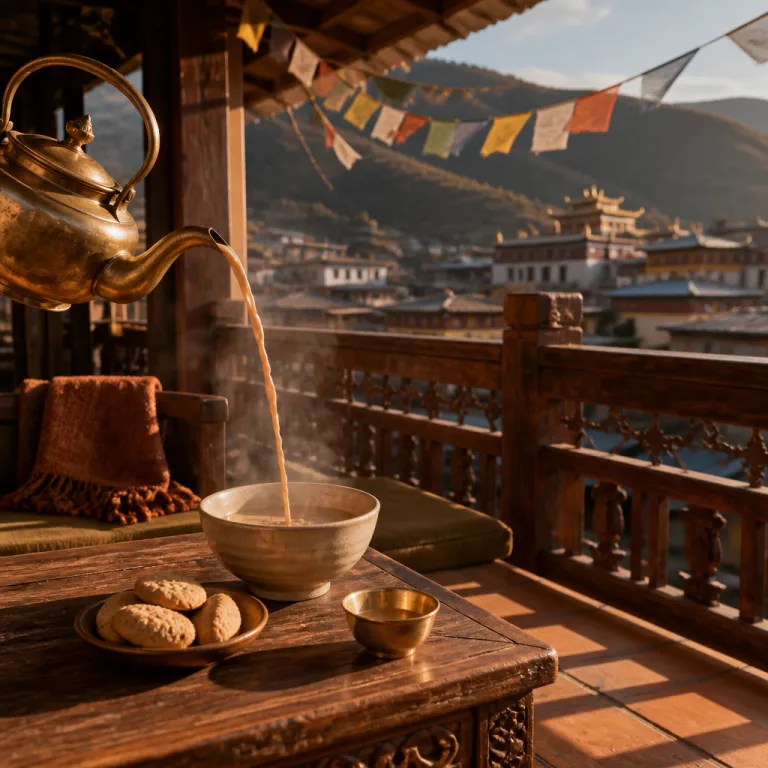
Shangri La city in China for luxury travelers
Shangri La city in China sits in the northwest of Yunnan at roughly 3,400 meters, a high-altitude plateau where clear light sharpens every mountain line. This remote city in the Diqing Tibetan Autonomous Prefecture has become a discreet favorite for luxury travelers who want immersion in Tibetan culture without sacrificing refined service and comfort. The former Zhongdian town was renamed to evoke the myth of Lost Horizon, and that literary reference still shapes how premium hotels curate their guest experience today.
The city is officially known as Shangri La City, part of the Diqing Tibetan Autonomous Prefecture, and it is administered in coordination with the Yunnan Provincial Government and the Shangri La City Government. These regional actors have invested heavily in infrastructure, from Diqing Shangri La Airport (IATA: DIG) to upgraded roads and a modern bus network, which makes it easier for high-end guests to connect their travel between Lijiang, Shangri La in Yunnan and other Chinese destinations. For luxury hotel booking platforms, this coordinated development means they can confidently promote multi-stop itineraries that link the plateau city with Lijiang ancient town, Tiger Leaping Gorge and the Jade Dragon Snow Mountain scenic area.
The Tibetan-influenced city is especially appealing to travelers who value authenticity, because local culture is not a staged performance but a living reality in the streets, temples and markets. The destination located on the edge of several protected scenic areas offers rare access to snow mountain landscapes, alpine lakes and wetlands, all within day-trip distance from five-star properties. For guests comparing top destinations in China, Shangri La in Yunnan stands out as a place where a Songzanlin Monastery sunrise, a Dukezong ancient town stroll and a private tasting of local yak cheese can all be arranged seamlessly through a single luxury hotel concierge.
Where to stay in Shangri La city in China
Choosing the right luxury hotel in Shangri La city in China starts with understanding the layout of the urban area and its surrounding valleys. The main city located on a broad plateau is divided between the modern district near the airport and the historic Dukezong ancient town, and each zone offers a distinct atmosphere for premium stays. High-end properties near the ancient town place guests within walking distance of cobbled lanes, Tibetan temples and evening dance performances on the main square, while resorts on the outskirts focus on mountain views and quiet.
Many of the most sought-after hotels frame their architecture around Tibetan culture, using carved wood, traditional colors and prayer flag motifs while maintaining contemporary Chinese design lines. Suites often face the distant snow mountain ranges or the golden roofs of Songzanlin Monastery, and some properties provide heated outdoor terraces so guests can enjoy the crisp Yunnan air in comfort. Well-known examples include Songtsam Linka Shangri-La overlooking the monastery on Kangzhu Avenue and Banyan Tree Ringha in a nearby valley off the road toward Napa Lake, both of which blend local design with polished service. When browsing a luxury and premium hotel booking website in China, look for clear room size details in square meters, altitude information and oxygen support options, because the elevation can affect how you sleep and how you plan your travel days.
Travelers who combine the highland city with other top destinations in China often compare new openings and renovation dates, especially for wellness-focused stays. For an overview of high-end properties worth booking early across the country, consult a curated list of new luxury hotel openings in China and then filter for Yunnan and Diqing Tibetan Autonomous Prefecture. This approach lets you align your Shangri La in Yunnan stay with nights in Lijiang near Jade Dragon Snow Mountain or in other Chinese cities, creating a coherent itinerary that balances culture, scenery and spa time.
Signature attractions and sacred sites around Shangri La
Luxury travelers choose Shangri La city in China because world-class scenery sits remarkably close to the city center. The most famous attraction is Pudacuo National Park, a protected area located about 22 kilometers from town, where boardwalks circle alpine lakes and dense forests shelter rare wildlife. High-end hotels often arrange private vehicles instead of a public bus, timing entry to avoid peak crowds and pairing the visit with a gourmet picnic that respects park regulations.
Within the city, the Songzanlin Monastery, also known as Ganden Sumtseling Monastery, is the spiritual heart of the region and a highlight of any travel guide. This vast Tibetan monastery complex rises above a small lake, its golden roofs reflecting in the water, and many luxury properties schedule sunrise or late afternoon visits when the light is soft and the prayer halls are quieter. The site is sometimes referred to as Sumtseling Monastery in older materials, so when you consult a hotel concierge or a Chinese-language driver, use both names to avoid confusion.
Dukezong ancient town is another essential stop, especially for guests who want to feel the rhythm of local life after a day in the national park. The restored wooden houses, narrow alleys and hilltop temple create a setting where Tibetan culture is visible in daily rituals, from butter lamp offerings to spontaneous circle dance gatherings on the main square. One concierge describes the ideal first evening as “tea at a family-run teahouse, a slow walk up to the prayer wheel, then joining the circle dance if you feel like it.” For a deeper understanding of how Shangri La in Yunnan fits into the broader high-altitude wellness trend, many travelers read about summer in Yunnan as a wellness escape before finalizing their hotel bookings.
Landscape adventures from Shangri La for luxury guests
From Shangri La city in China, some of the most dramatic landscapes in Yunnan unfold within a few hours by road. Many guests combine a stay in the plateau city with an excursion to Tiger Leaping Gorge, a legendary canyon where the Jinsha River carves between steep cliffs, and premium hotels can arrange chauffeured transfers instead of the standard public bus. The Tiger Leaping Gorge area offers both challenging multi-day hikes and shorter scenic walks, so even travelers who prefer comfort can enjoy the views before returning to their suites.
Closer to Lijiang, the Jade Dragon Snow Mountain range and the Haba Snow Mountain massif frame the horizon, and both are often included in extended itineraries that link Shangri La in Yunnan with Lijiang ancient town. Some luxury travelers choose to stay near Jade Dragon Snow Mountain in a high-end resort, then continue by private car to a city located in the Diqing Tibetan Autonomous Prefecture for a more immersive Tibetan culture experience. When planning these routes, work with a hotel concierge or a specialist agency that understands altitude, road conditions and seasonal closures, because safety and comfort should guide every decision.
Adventure-focused guests sometimes look for properties that integrate outdoor activities directly into their stay, from guided hikes to stargazing on clear plateau nights. For inspiration on how Chinese hotels are building such experiences into their design, you can read about outdoor adventures created by hotels in China and then apply those ideas to your Shangri La travel planning. While the city itself does not yet offer the same range of curated activities as coastal resorts, the combination of national park access, snow mountain panoramas and Tibetan temples gives luxury properties a powerful foundation for bespoke itineraries.
Cultural immersion and etiquette in a Tibetan city
Shangri La city in China is not only a scenic destination but also a living Tibetan city where cultural sensitivity matters. The Diqing Tibetan Autonomous Prefecture has clear goals to preserve Tibetan culture while promoting tourism, and luxury hotels play a key role by educating guests about local customs. Many properties provide short travel guide leaflets in rooms, explaining how to behave respectfully in a monastery, how to greet elders and why certain areas of a temple are off limits to photography.
When visiting Songzanlin Monastery or any smaller temple in the ancient town, dress modestly, walk clockwise around religious structures and avoid loud conversations in prayer halls. Guides often remind guests not to touch monks on the head, not to step on thresholds and to accept butter tea or snacks with both hands, gestures that show respect in Tibetan culture. In the evening, some hotels arrange performances of traditional dance and music, but the most meaningful encounters often happen in local teahouses or during community festivals that the Shangri La City Government supports as part of its cultural preservation strategy.
Altitude is another practical aspect of immersion, because the city located at around 3,400 meters requires time for your body to adjust. Luxury hotels increasingly offer oxygen in rooms, herbal teas and gentle first-day itineraries, encouraging guests to rest before tackling long walks in the national park or steep monastery staircases. To quote one of the most practical pieces of local advice, visitors are often reminded to follow three simple guidelines: “Acclimate to high altitude, respect local customs, visit Songzanlin Monastery.”
Practical travel logistics for premium stays
Reaching Shangri La city in China is easier than its remote image suggests, which is why it now appears frequently on luxury and premium hotel booking platforms. Most international travelers fly into major Chinese hubs such as Beijing, Shanghai or Chengdu, then connect to Diqing Shangri La Airport, which lies about 5 kilometers from the city center. From there, high-end hotels usually arrange private transfers, though a public bus and licensed taxis also serve the main urban area.
Many itineraries link the Tibetan-influenced city with Lijiang, either by road or by a combination of bus and private car, and this route passes near the Tiger Leaping Gorge region. When planning, remember that the city located at higher altitude can feel significantly cooler than Lijiang or other Yunnan towns, so pack layers and confirm in-room heating or underfloor systems with your chosen property. Spring and autumn are widely regarded as the best seasons to visit Shangri La, because “Spring and autumn offer pleasant weather and vibrant landscapes.”
Within the city, most attractions in the ancient town and around Songzanlin Monastery can be reached by short taxi rides or hotel shuttles, while longer excursions to Pudacuo National Park or Haba Snow Mountain require more planning. Luxury hotels often coordinate permits, park tickets and local guides, reducing the administrative burden on guests who prefer a seamless experience. For those interested in regional governance or investment, it is useful to know that the Shangri La City Government, the Diqing Tibetan Autonomous Prefecture and the Yunnan Provincial Government all collaborate on tourism promotion, infrastructure development and cultural festivals that shape the visitor experience.
Key figures about Shangri La city and tourism
- Shangri La city in China stands at an elevation of roughly 3,400 meters above sea level, which makes acclimatization essential for travelers arriving from low-altitude regions. This high plateau setting explains the cool average temperatures and the crisp air that many luxury guests find invigorating.
- Local climate records show that Shangri La is significantly cooler than many other Yunnan destinations such as Lijiang, so premium hotels often emphasize in-room heating, fireplaces and spa facilities to ensure guest comfort throughout the year. Guests should expect chilly evenings even in warmer months.
- The wider Shangri La urban area hosts a relatively compact population compared with major Chinese cities, a size that supports a solid hospitality infrastructure while still feeling more intimate than hubs like Kunming or Chengdu. This balance allows luxury properties to offer personalized service without isolating guests from authentic city life.
- Pudacuo National Park, located a short drive from the city, is one of the earliest national-park-style protected areas in China, and its status has helped attract sustained investment in eco-friendly tourism and high-end accommodation nearby. For travelers, this means better maintained trails, regulated visitor numbers and higher quality guiding services.
- Diqing Tibetan Autonomous Prefecture has identified tourism, infrastructure development and cultural festivals as three strategic pillars for economic growth, and this policy focus has directly supported the expansion of luxury and premium hotel options in Shangri La. Guests benefit from improved roads, reliable utilities and a growing range of curated cultural events.
FAQ about luxury travel to Shangri La city in China
What is the best time to visit Shangri La for a luxury stay ?
Spring and autumn are ideal for luxury travelers, because temperatures are milder and the landscapes around the city are at their most photogenic. High-end hotels often design seasonal packages around rhododendron blooms in spring and golden grasslands in autumn, pairing scenic drives with spa treatments and curated dining. Winter can be atmospheric with snow, but some mountain and national park routes may be limited.
How do I reach Shangri La city in China from other destinations ?
The most convenient option is to fly into Diqing Shangri La Airport from major Chinese cities such as Kunming, Chengdu or Chongqing, then use a hotel-arranged transfer to reach your property. Travelers already in Yunnan often travel by road from Lijiang, either by private car or a combination of bus and driver services, a journey that can include stops near Tiger Leaping Gorge. Luxury hotels and specialist agencies can coordinate these legs so that luggage handling and timing remain comfortable.
What are the must see attractions for first time visitors ?
First-time visitors should prioritize Songzanlin Monastery, Dukezong ancient town and Pudacuo National Park, because together they showcase the spiritual, historical and natural sides of Shangri La. Many luxury itineraries also include a day trip toward Tiger Leaping Gorge or a scenic drive across the plateau to smaller Tibetan villages. Hotel concierges can arrange private guides who understand both the cultural context and the expectations of premium guests.
Is Shangri La suitable for travelers sensitive to altitude ?
The city located at around 3,400 meters can pose challenges for those with heart or respiratory conditions, so medical advice before travel is essential. Many luxury hotels provide oxygen, slow-paced first-day programs and staff trained to recognize early signs of altitude discomfort, which helps most healthy guests adapt. If you are particularly sensitive, consider spending a night in Lijiang or another lower-altitude town before continuing to Shangri La.
How does Shangri La compare with Lijiang for luxury accommodation ?
Lijiang offers a wider range of luxury hotels and easier access, with Jade Dragon Snow Mountain and a lively ancient town that stays busy late into the evening. Shangri La, by contrast, feels quieter and more focused on Tibetan culture, monasteries and high plateau landscapes, which appeals to travelers seeking reflection and space. Many discerning guests choose to stay in both cities, using Lijiang as a softer acclimatization stop before enjoying the more rarefied atmosphere of Shangri La.