From copycat era to chinese architect luxury hotel design leadership
Luxury travelers once came to China expecting familiar international hotel brands. Today, chinese architect luxury hotel design is quietly rewriting what high end hospitality can feel like in Asia Pacific, and the shift is impossible to ignore. In cities such as Shanghai and Sanya, Chinese architects now lead hotel design projects where every building, interior and landscape gesture speaks directly to place.
For couples planning a romantic stay, this means the best hotel choices are no longer automatically a Hilton or another global resort name. International hotels still matter in China, yet the most memorable hotel design often comes from local architecture studios and their associates who understand how light, shadow and courtyard space work in Jiangnan water towns or Lingnan streets. When you compare a standard hotel China tower with a new generation china building shaped by regional traditions, the difference in atmosphere, intimacy and decoration design is immediate.
Chinese architect luxury hotel design is also a commercial strategy, not just an aesthetic statement. Guests increasingly book hotels where architecture design and interior design have won serious design awards rather than just following loyalty points. Owners see that a distinctive china design language, rooted in local hospitality design culture, can command higher rates than generic international interiors and can position a property among the best interior experiences in China International rankings.
Lingnan arcades and beyond: regional architecture as romantic stage set
Nowhere is chinese architect luxury hotel design more vivid than in projects that reinterpret historic streets and courtyards. In Guangzhou, The Author's Room Hotel reworks Lingnan Qilou arcade architecture into a layered cultural building where every space feels like a chapter in a novel. For couples, this kind of hotel design turns a short stay into an immersion in southern China rather than just another night in interchangeable hotels.
Across the country, architects are mining regional architecture for hospitality inspiration, from Jiangnan riverside lanes to Sichuan courtyard houses and Fujian tulou style circular compounds. These buildings once served merchants, clans and pilgrims ; now they inform luxury hotel and resort concepts where interior designers use brick, timber and stone in ways that feel both contemporary and deeply Chinese. Our in depth feature on Wang Shu’s first hotel on the shores of Dianchi Lake shows how a Pritzker Prize architect can translate vernacular roofs and walls into a new kind of china design for high end guests.
For travelers comparing options on a hotel booking website, the key is to read how each property describes its architecture design story. Look for mentions of specific regions such as Haitang Bay near Sanya, or historic districts in Shanghai, rather than vague references to Asia Pacific style. When a hotel in China explains which local craftspeople, architects and associates shaped its hospitality design, you are usually looking at a more thoughtful and potentially best hotel level experience.
Inside the room: how chinese architect luxury hotel design reshapes interiors
Step inside these properties and the difference in interior design philosophy becomes even clearer. Instead of copying an international hotel template, Chinese architects and interior designers treat each room as a carefully edited space that frames views, light and materials from its specific corner of China. You feel it in the way a window in Sanya opens to a framed slice of Haitang Bay, or how a Shanghai suite borrows the rhythm of Shikumen lanes in its layout.
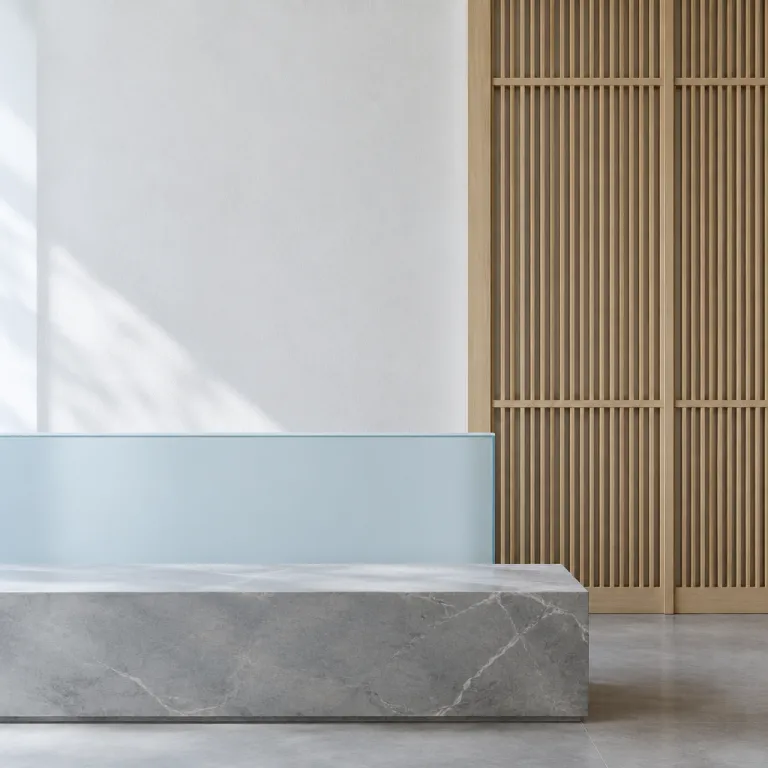
Chinese architect luxury hotel design often rejects heavy decoration design in favor of crafted surfaces and subtle references. Bamboo screens, hand carved stone basins and ink wash inspired textiles replace generic marble and chrome, while china design details such as lattice patterns or calligraphy panels are used sparingly rather than as theme park décor. The best interior schemes balance calm minimalism with tactile richness, giving couples a sense of retreat without losing the cultural charge that makes hotel China stays feel different from any other Asia Pacific destination.
Even global brands are adapting, especially in properties like Hotel Indigo in Shanghai or resort style hotels along Haitang Bay. Here, international hospitality standards meet local architecture design cues, and chinese architect luxury hotel design principles filter into everything from lobby space planning to spa pavilions. When you read about design awards or a prize for best hotel interiors on a booking platform, check whether the jury praised the project for its China International character or just for generic luxury finishes.
Landscape, light and guochao: why local architecture now outshines global templates
One of the quiet revolutions in chinese architect luxury hotel design is the relationship between building and landscape. Rather than treating nature as a backdrop, many architects in China choreograph movement through courtyards, gardens and water, echoing classical painting scrolls where you journey through layered scenes. This approach is especially powerful in resort projects in Sanya, Yunnan or around Hangzhou, where each turn reveals a new framed view or intimate outdoor space.
The guochao cultural movement has amplified this shift by rewarding hotels that feel unmistakably Chinese rather than generically international. Our deep dive on how Chinese design is setting a new standard in luxury hospitality explains why younger couples now seek hotels where architecture design, interior design and decoration design all speak the same local language. In practice, that means china design elements such as clay tiles, rammed earth or carved wood screens are used structurally, not just as surface motifs, and that architects collaborate with associates from local craft workshops instead of importing everything from abroad.
For travelers choosing between a Hilton tower and a smaller china building designed by a local studio, the question becomes one of memory versus predictability. International hotels promise consistent service, yet chinese architect luxury hotel design often delivers the stays you still talk about years later. When a property wins design awards for hospitality design in Asia Pacific juries because it rethinks hotel design around light, shadow and regional materials, that is usually a strong signal for couples seeking the best interior experiences in China.
How to read between the lines on a luxury hotel booking site
When you scroll through a luxury hotel booking website in China, the photos rarely tell the full story. To find chinese architect luxury hotel design that truly reflects its setting, start by reading how each hotel describes its architecture and interior spaces, not just its amenities. Properties that mention specific architects, design associates or China International design awards usually take their architectural identity seriously.
Pay attention to how the hotel explains its relationship with local crafts and materials, especially in destinations like Shanghai, Sanya or Haitang Bay. If a resort highlights collaborations with interior designers who work with bamboo, stone or lacquer from the region, you can expect a richer hospitality design narrative than in hotels that only reference imported marble and chandeliers. Mentions of prizes for best hotel architecture design or recognition in Asia Pacific hospitality design rankings are useful, but the most telling details are often the quiet ones about how each building sits in its landscape.
Finally, compare room descriptions with floor plans and photos to understand how space is used. Chinese architect luxury hotel design often favors layered thresholds, sliding screens and flexible living areas over single large rooms, which can feel more intimate for couples. When a hotel in China explains how its china building layout draws on courtyard traditions or water town alleys, you are likely looking at a property where design China thinking runs deeper than surface decoration design and where your stay will feel rooted in its surroundings.
FAQ
How do Chinese designed luxury hotels differ from international chains in China ?
Chinese designed luxury hotels usually start from local architecture and landscape rather than a global brand template. You will see courtyards, arcades and region specific materials instead of standardized layouts, and the interior design often reflects regional crafts. International chains in China can still offer strong service, yet their hotel design is often less tied to a specific province or city.
Which Chinese cities are leading for architecture focused luxury hotels ?
Shanghai is a key destination, with renovated heritage buildings and contemporary towers that showcase ambitious architecture design. Guangzhou and Shenzhen are strong for experimental urban hotels, while Sanya and Haitang Bay on Hainan Island lead for resort projects shaped around landscape and sea views. Secondary cities such as Chengdu, Hangzhou and Kunming are emerging quietly with some of the best hotel China examples for couples seeking culture and calm.
How can I tell if a hotel really uses local crafts and materials ?
Look for detailed descriptions of materials and makers, not just vague references to tradition. When a hotel in China names specific villages, workshops or artisans involved in its decoration design or furniture, that usually signals genuine collaboration. Reviews and design awards citations can also confirm whether the interior designers and architects integrated local craft into the building rather than importing everything.
Are architecturally distinctive hotels always more expensive ?
Architect led properties with strong chinese architect luxury hotel design often sit in the upper price range, especially in prime Shanghai or Sanya locations. However, outside the biggest hubs, you can find hotels where thoughtful architecture design and best interior quality come at mid range rates. The key is to book early, avoid peak holidays in China and prioritize places where design, not just branding, drives the hospitality concept.
Do major international brands in China also embrace local architectural ideas ?
Many global brands now commission Chinese architects and interior designers for their flagship hotels in China. You will find Hilton and other international names in Shanghai or Haitang Bay where the china building form, landscape and interior design reflect regional culture. These hybrids can be a good choice if you want loyalty program benefits combined with a stronger sense of place in your hotel design.