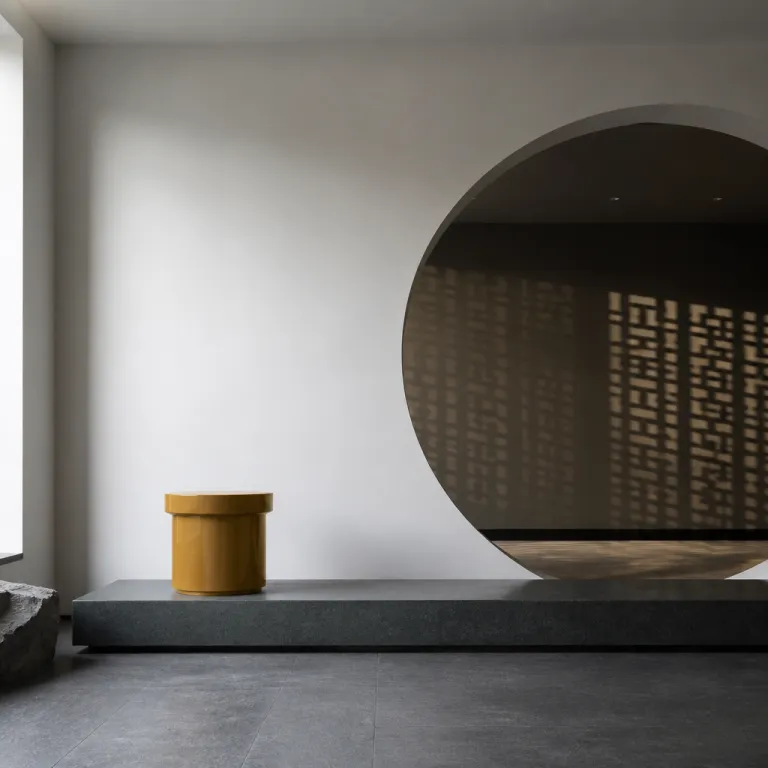
The new language of guochao luxury hotel Chinese design aesthetic
Walk into a leading guochao-inspired luxury hotel in China and the first impression is quiet confidence. Instead of imported marble and generic chandeliers, you meet a layered Chinese design language that treats cultural heritage as the main narrative, not a decorative afterthought. This shift in Chinese luxury shows how the dialogue between tradition and modernity now defines what top travelers consider truly high quality.
Guochao, literally the “national trend”, is a cultural movement where Chinese brands and hotels lean into Chinese culture rather than copying Western style. In luxury hospitality across China, that means aesthetics drawn from classical gardens, Song dynasty ink painting and tai chi inspired spatial balance are shaping how lobbies, suites and spas feel. For Chinese consumers and international guests alike, the most popular properties now use cultural elements and traditional cultural references to create a sense of place that no overseas market can replicate.
Design teams behind these hotels work closely with local artisans, Chinese designers and heritage experts to translate traditional Chinese craftsmanship into modern comfort. You will see carved wooden furniture echoing Jiangnan mansions, porcelain lighting referencing blue and white ceramics and textiles woven with motifs from traditional culture. This is not nostalgia; it is a strategic response to a market where the growth rate of guochao brands has been reported as three times higher than conventional competitors in the 2022 China New Consumer Brand Development Trend Report, published by a consortium of domestic research institutions, and where every consumer segment is reassessing what Chinese luxury should look and feel like.
From Western pastiche to Chinese cultural confidence
For years, the default luxury hotel style in China followed an international template with only light Chinese cultural touches. A lobby might hang a scroll or place a lion statue by the door, while the rest of the design language remained safely Western and aimed at a global market. That era is fading fast as guochao thinking reshapes what counts as aspirational for both Chinese consumers and visiting couples from abroad.
The context is a wider rise in national pride and a desire for cultural authenticity among travelers who grew up with Chinese brands and Chinese culture at the center of their lives. Industry research often summarizes “What is Guochao?” as “A cultural trend emphasizing Chinese heritage in modern products,” while “How does Guochao affect luxury hotels?” is captured in the line “It leads to the incorporation of traditional Chinese elements into hotel designs,” and “Why is Guochao popular?” is explained as “Due to rising national pride and desire for cultural authenticity.” In practice, this means a hotel in Shanghai or Chengdu that once imported European furniture now commissions local joiners to reinterpret Ming chairs and Song dynasty screens in a modern, high quality way.
For international guests booking through a luxury focused platform, this evolution changes what “five star” actually feels like in China. Instead of a generic global luxury brands experience, you step into spaces where elements of Chinese design such as latticework, calligraphy and tai chi inspired courtyards are central to the layout. The result is a more culturally layered stay where Chinese luxury is defined by cultural heritage rather than by how closely a hotel can mimic Paris or New York.
How guochao shapes space, light and furniture in Chinese luxury hotels
Guochao driven design is not just about adding a few traditional Chinese motifs to a lobby wall. It starts with how architects and interior designers choreograph space, light and movement to echo Chinese culture and traditional culture. In many of the top properties in China, you will notice a sequence of thresholds that feels closer to a scholar’s garden than to a conventional hotel corridor.
Courtyards, framed views and layered screens are used as cultural elements that slow you down and invite reflection, a principle rooted in Song dynasty garden design. Furniture is often low slung and crafted from local woods, with joinery that references traditional cultural techniques while meeting modern ergonomic standards. This fusion of tradition and modernity allows Chinese luxury hotels to feel both serene and technologically advanced, especially when artificial intelligence quietly manages lighting, temperature and privacy without breaking the visual purity of the space.
Lighting design is another arena where Chinese aesthetics and Chinese cultural symbolism come to the fore. Lantern inspired fixtures cast warm pools of light that recall temple courtyards, while contemporary glass and metal keep the overall style firmly modern. Suites may feature Chinese elements such as ink wash murals, tai chi inspired circular windows and furniture layouts that follow feng shui principles, giving couples a sense that every detail has been considered for both comfort and cultural resonance.
Three benchmark properties where Chinese aesthetics lead the experience
Certain hotels have become reference points for the guochao luxury hotel Chinese design aesthetic, setting standards that other Chinese luxury properties now study closely. Near Shanghai, Amanyangyun is perhaps the most dramatic example, built around relocated Ming and Qing dynasty houses and a forest of ancient camphor trees that embody deep cultural heritage. Here, traditional Chinese brickwork, courtyards and timber structures are paired with modern stone, glass and high quality finishes to create a dialogue between eras.
In Chengdu, The Temple House turns a restored Qing era courtyard compound into a contemporary hotel where Chinese style brick lanes lead to sleek rooms and a spa that references local tea culture. The project shows how cultural elements and local materials can be woven into a luxury narrative without feeling themed or forced for the market. In Yunnan and Tibet, the Songtsam hotels collaborate with Pritzker laureate Wang Shu, and our in depth feature on his Dianchi Lake project, which has been profiled in Chinese architectural journals, explains how vernacular stone, timber and village layouts become the backbone of a new Chinese cultural luxury language.
Across these properties, you will notice recurring design decisions that speak directly to Chinese consumers and to international guests seeking authenticity. Local artisans craft furniture and textiles, luxury brands amenities are chosen to complement rather than overshadow cultural heritage and every courtyard or rooftop frames a view that anchors you in a specific region of China. These hotels are not just popular on social media; they are studied case studies in how to align guochao values with the expectations of a demanding global consumer market. As one Chengdu based designer put it at a recent hotel investment forum, “If guests can’t tell which city they are in from their room, we have failed.”
How to tell genuine cultural heritage from themed décor
Not every hotel using Chinese style patterns and red lacquer truly embodies guochao principles. As the trend gains traction in China and beyond, some properties treat Chinese culture as a surface layer, adding dragons and calligraphy while keeping the underlying layout and service model entirely generic. For a couple planning a special trip, learning to read these signals can mean the difference between a memorable stay and a forgettable photo backdrop.
Start by looking at how deeply cultural elements are integrated into the architecture and daily rituals of the hotel. Genuine Chinese luxury projects usually work with local craftspeople, reference specific regional traditions and allow traditional culture to shape everything from courtyard proportions to tea service. When a property talks about cultural heritage but offers only imported furniture and no connection to local markets, villages or news events in the surrounding area, you are likely seeing a themed version of guochao rather than the real thing.
Another indicator is how the hotel engages with Chinese consumers and international guests around education and storytelling. Properties that take cultural heritage seriously often host tai chi sessions at sunrise, guided walks focused on Song dynasty history or small exhibitions of traditional Chinese crafts. When artificial intelligence tools are used, they tend to support this narrative by curating content about Chinese aesthetics, local brands and Chinese design elements in the region, rather than simply pushing generic market promotions or unrelated luxury brands partnerships. A general manager at a lakeside retreat in Yunnan described their approach as “using technology to point guests back to the village, not away from it.”
Booking strategies for couples seeking guochao led Chinese luxury stays
For couples using a premium booking website to plan a journey through China, the guochao luxury hotel Chinese design aesthetic can be a powerful filter. Instead of sorting only by star rating or price, consider how each hotel articulates its relationship to Chinese culture and traditional cultural practices. Read the design descriptions carefully and look for specific references to local materials, regional crafts and cultural elements rather than vague mentions of “Asian style”.
Pay attention to how properties describe their furniture, suites and public spaces, because genuine Chinese luxury hotels will often highlight collaborations with Chinese designers, local artisans and heritage experts. When a hotel explains how its layout echoes a Song dynasty courtyard, how tai chi principles informed the spa circulation or how Chinese elements from nearby markets shaped the restaurant interiors, you are likely looking at a serious guochao project. Reviews from Chinese consumers can also be revealing, as they tend to be quick to praise or criticize whether a property respects Chinese cultural norms and delivers high quality experiences rooted in real tradition and modernity.
Finally, consider how technology is framed in the overall style and service promise. The most interesting hotels in this space use artificial intelligence discreetly, for example to personalize cultural itineraries, recommend local brands or surface news events and exhibitions related to Chinese aesthetics in the city. When digital tools are used to deepen your connection with Chinese culture rather than distract from it, you know the hotel understands that guochao is about meaning, not just market positioning.
Why guochao matters for international travelers and the future of luxury
For travelers arriving from the United States or Europe, guochao luxury hotel Chinese design aesthetic offers something no domestic property can match. These hotels are not simply places to sleep; they are immersive environments where Chinese style architecture, traditional Chinese craftsmanship and modern comfort coexist in a way that reframes what luxury can be. Staying in such a hotel becomes a form of cultural travel even if you never leave the property grounds.
On a global level, the rise of Chinese luxury grounded in cultural heritage challenges the long standing dominance of Western luxury brands as the default reference. As Chinese consumers increasingly favor domestic brands and as the growth rate of guochao aligned companies outpaces the wider market, international hotel groups are rethinking their design strategies in China. Many are now partnering with Chinese designers, studying Chinese elements such as courtyard typologies and tai chi inspired spatial rhythms and integrating traditional culture into their flagship properties.
For couples planning a romantic journey through China, this shift means more choice and richer experiences in every major city and emerging destination. Whether you are checking into a lakeside retreat shaped by Song dynasty aesthetics, a Chengdu courtyard hotel that channels Sichuan cultural heritage or a Shanghai tower where artificial intelligence quietly manages comfort while the interiors celebrate Chinese cultural motifs, guochao gives you a new lens through which to read the country. In the process, it sets a new global standard for how hotels can honor local culture while still feeling unmistakably modern and luxurious.
Key figures shaping the guochao luxury hotel landscape
- Guochao aligned consumer brands in China have been reported to grow at a rate three times higher than traditional competitors, underlining how strongly Chinese consumers now favor culturally resonant products and hotels (2022 China New Consumer Brand Development Trend Report, released by several Chinese research institutions and widely cited in domestic business media).
- The guochao movement in hospitality has been expanding steadily since its emergence around the late 2010s, with a notable acceleration as wellness, spa and tai chi focused retreats adopt Chinese aesthetics as their primary design language rather than a secondary theme, according to domestic tourism industry briefings and provincial culture and tourism bureau updates.
- Industry analysts tracking Chinese luxury hotels note that properties integrating deep cultural heritage elements, such as relocated historical buildings or Song dynasty inspired gardens, consistently achieve higher guest satisfaction scores than comparable hotels with generic international design, based on internal benchmarking shared at recent hotel investment conferences in Shanghai and Beijing.
- Domestic travelers now account for the majority of guests at many guochao led hotels in China, which means international visitors stepping into these properties experience spaces calibrated first for Chinese cultural expectations rather than for a purely Western market, a trend highlighted in annual reports from major Chinese hotel groups and state owned tourism operators.
FAQ about guochao and Chinese design in luxury hotels
What is guochao in the context of Chinese luxury hotels ?
Guochao in luxury hotels refers to a design and branding approach that places Chinese culture, traditional Chinese craftsmanship and Chinese aesthetics at the center of the guest experience. Instead of copying Western luxury codes, these hotels use cultural elements such as courtyards, calligraphy, Song dynasty inspired gardens and tai chi influenced spatial layouts to define their style. The goal is to create high quality spaces that feel both modern and deeply rooted in Chinese cultural heritage.
How does guochao change the way hotels in China are designed ?
Guochao encourages architects and interior designers to start from local traditions rather than from a generic international template. This means more use of regional materials, vernacular architecture, handcrafted furniture and layouts that echo traditional cultural patterns like siheyuan courtyards. Technology, including artificial intelligence systems, is then layered in discreetly so that modern comforts support rather than overshadow the cultural narrative.
Why is guochao so popular with Chinese consumers ?
Guochao resonates with Chinese consumers because it aligns with rising national pride and a desire for authenticity in both products and travel experiences. Many travelers are no longer satisfied with hotels that feel like they could be anywhere in the world, and instead seek Chinese luxury that reflects their own cultural heritage. As a result, hotels and brands that integrate Chinese elements in a respectful, high quality way are gaining market share and cultural influence.
How can international travelers identify a genuine guochao hotel when booking ?
When researching hotels, look for detailed explanations of how the property engages with Chinese culture beyond surface level décor. Genuine guochao hotels usually highlight collaborations with local artisans, references to specific historical periods such as the Song dynasty and programs like tai chi classes or craft workshops. Reviews from Chinese guests and clear descriptions of architecture, furniture and cultural elements are strong indicators that the hotel is serious about cultural heritage rather than simply following a trend.
Are guochao luxury hotels more expensive than traditional international style properties ?
Pricing varies by city and brand, but guochao luxury hotels often position themselves at the premium end of the market because of their investment in craftsmanship, heritage conservation and high quality materials. However, the value proposition is different from a conventional international chain, since guests are paying for a culturally specific experience that cannot easily be replicated elsewhere. For many couples planning a special trip, that depth of Chinese cultural immersion justifies choosing these properties over more generic luxury options.