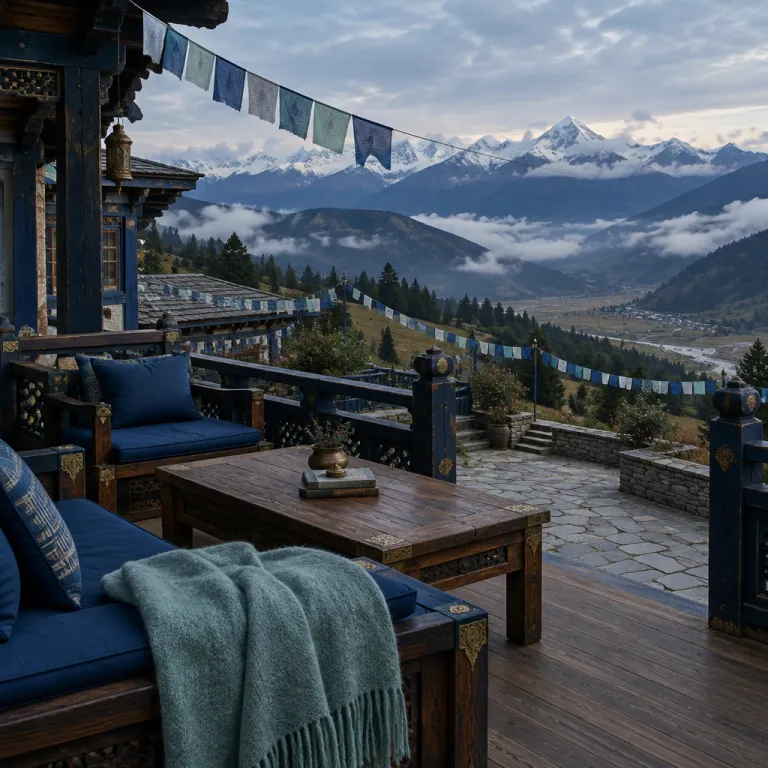
Shangri la China as a highland gateway for luxury travellers
Shangri-La China sits on a vast plateau where the Himalayas meet Yunnan’s rolling hills. This highland city in northwest Yunnan Province forms the elegant entry point to the wider Diqing Tibetan Autonomous Prefecture, one of China’s most dramatic regions for upscale nature travel. For travellers comparing top destinations in China, Shangri-La offers rare access to Tibetan culture, snow mountain landscapes, and refined hotels within a compact urban footprint.
The modern city has grown around an ancient town core that still preserves timber houses, flag-lined lanes, and incense-filled courtyards. Many premium properties frame views toward the surrounding mountain ranges, allowing guests to wake to clear air and long horizons that echo the landscapes that inspired the novel Lost Horizon and its vision of a hidden sanctuary in Yunnan China. As one long-time local guide explains, “People come for the mountains, but they stay because the air here slows everything down.” When you book a luxury stay, you are not only choosing a resort in Yunnan Province but also positioning yourself at the crossroads of three parallel river valleys and multiple national park areas.
Within the city, high-end hotels cluster between the historic quarter and the newer bus station district, which makes transfers from Lijiang or Kunming straightforward. Perched at over 3,000 metres above sea level, Shangri-La rewards travellers who plan at least two nights, because altitude adjustment is essential before heading deeper into the Diqing Tibetan countryside. Many resort concierges can arrange oxygen, gentle acclimatisation walks, and private transfers so that your first days in this part of China feel indulgent rather than rushed.
Planning a refined itinerary across Yunnan and Diqing Tibetan highlands
Most luxury itineraries that include Shangri-La China also weave in Lijiang, Tiger Leaping Gorge, and the parallel rivers Yunnan region. Travellers often arrive first in Lijiang city, spend two or three nights in an ancient town hotel, then continue by road toward the higher-altitude landscapes of Diqing Tibetan areas. This route through northwest Yunnan Province allows you to experience both Chinese old town architecture and Tibetan culture within a single, well-paced tour.
From Lijiang, private vehicles or premium coaches depart near the main bus station and follow the Jinsha River toward the famous Tiger Leaping Gorge hiking area. The gorge, part of the Three Parallel Rivers UNESCO site, offers dramatic viewpoints where you can pause for photographs before continuing to Shangri-La for a longer stay. If you are travelling in July or during the monsoon months, consider reading about why shoulder season is often the smartest time for a family luxury escape, then adjust your dates to balance clear skies with quieter trails.
High-end travellers often ask whether to base themselves in one Shangri-La resort for several nights or to move between multiple properties across the autonomous prefecture. Staying longer in a single resort in the city provides deeper immersion in local Tibetan autonomous culture, while adding a night near Haba Snow Mountain or in a riverside lodge closer to Tiger Leaping Gorge brings you nearer to the region’s wild scenery. Either way, ensure your tour includes time in both the urban centre and the surrounding national-park-style landscapes so that you experience the full range of what Yunnan China can offer.
Where to stay: luxury hotels in Shangri la city and beyond
Within Shangri-La China, luxury hotels range from international brands to refined Tibetan-inspired lodges. Many of the finest properties sit on hillsides above the ancient town, where suites open toward Songzanlin Monastery and the distant snow mountain peaks. When choosing between these options, consider whether you prefer immediate access to cafés and shops in the town or a more secluded Shangri-La resort setting with private courtyards and panoramic terraces.
Several leading hotels in Shangri-La city integrate Tibetan culture into their design through carved timber, traditional fabrics, and prayer-flag-lined gardens. Flagship properties such as Banyan Tree Ringha and Songtsam Linka Shangri-La emphasise wellness, offering heated pools, oxygen lounges, and spa rituals that use local herbs gathered from the surrounding mountain slopes of Diqing Tibetan areas. For a detailed look at elevated luxury stays in this Tibetan highland city, you can consult this guide to Yunnan highland luxury hotels in Shangri la city before finalising your booking.
Outside the city located on the plateau, a small number of intimate lodges sit closer to Haba Snow Mountain and the upper reaches of Tiger Leaping Gorge. These retreats, still within the Diqing Tibetan Autonomous Prefecture, suit travellers who want to wake near trailheads yet return to high-thread-count linens and attentive service each evening. When combining city and countryside stays, many guests choose two nights in a central Shangri-La resort followed by two or three nights in a mountain lodge, which creates a balanced tour between cultural immersion and alpine quiet.
Cultural depth: monasteries, ancient towns, and Tibetan traditions
One of the strongest reasons to include Shangri-La China in a luxury itinerary is the region’s layered Tibetan culture. The city’s ancient town, often called Dukezong, features stone lanes that spiral toward a hilltop stupa, while incense drifts from family chapels and small monastery courtyards. Staying in a high-end hotel within walking distance of this town allows you to step out at dawn, watch locals spin prayer wheels, then return to a refined breakfast overlooking the rooftops.
Songzanlin Monastery, located a short drive from Shangri-La city, is the largest Tibetan Buddhist complex in Yunnan Province and a highlight of any cultural tour. Its golden roofs reflect in a small lake, and the surrounding wetlands attract migratory birds, creating a serene setting that contrasts with the busier streets of the city located on the plateau. Many guides from the Diqing Tibetan community can explain the symbolism of the murals, the rhythm of daily prayers, and the way monastic life shapes local customs across this autonomous prefecture.
Beyond formal religious sites, everyday Tibetan autonomous traditions appear in markets, family-run teahouses, and seasonal horse festivals around the wider prefecture. Luxury hotels often curate private experiences such as butter tea tastings, thangka painting workshops, or guided visits to villages along the rivers Yunnan has carved through these highlands. When planning your stay, ask your Shangri-La resort concierge to arrange encounters that respect local etiquette, support community livelihoods, and give you a nuanced understanding of how Tibetan culture thrives within modern China.
Nature and adventure: from national parks to Haba Snow Mountain
Shangri-La China sits near some of the most striking protected landscapes in Yunnan China, making it ideal for travellers who want both comfort and adventure. Pudacuo National Park, located about an hour from the city, showcases high-altitude lakes, conifer forests, and meadows that change colour dramatically between May and July. Well-maintained boardwalks and clear signage mean you can enjoy the scenery at your own pace, while private guides help you interpret the flora and wildlife of this part of the Three Parallel Rivers region.
For more demanding excursions, many visitors extend their tour toward Haba Snow Mountain and the upper reaches of Tiger Leaping Gorge. These areas, still within the Diqing Tibetan Autonomous Prefecture, offer trekking routes that range from gentle day walks to multi-day hikes with overnight stays in simple lodges or upgraded camps. Luxury travellers often choose to explore the gorge by vehicle and short walks, then return to a Shangri-La resort in the city for spa treatments and fine dining after a day among cliffs and rivers.
Because weather in this part of Yunnan Province can shift quickly, especially around the monsoon season, it is wise to plan your hotel bookings with flexibility. You can read more about why mountain hotels are often best booked during rainy periods in this analysis of monsoon season luxury in China’s mountain resorts. With thoughtful timing, you can enjoy mist over the lakes of Pudacuo National Park, clear views of distant snow mountain peaks, and quieter trails, all while returning each evening to the comforts of a carefully chosen property in Shangri-La city.
Practicalities: access, seasons, and booking strategies for premium stays
Reaching Shangri-La China has become easier in recent years, which benefits travellers seeking seamless luxury itineraries. The city’s airport connects with major hubs across China, while high-quality roads link Shangri-La with Lijiang and other parts of Yunnan Province. Many premium hotels offer private transfers from both the airport and the main bus station, allowing you to move from plane or coach to suite with minimal effort.
Seasonality matters when planning a tour that includes both city stays and excursions into the Diqing Tibetan countryside. Spring and autumn usually bring stable weather and clear views of surrounding snow mountain ranges, while July and August can be wetter yet reward travellers with lush meadows and fewer crowds in some national park areas. Winter stays in Shangri-La city feel quieter and more introspective, with crisp air, bright skies, and the chance to experience Tibetan culture during important festivals, though some high passes near Haba Snow Mountain may be less accessible.
When booking luxury hotels in this autonomous prefecture, consider combining flexible cancellation policies with early reservation benefits. High-demand periods, especially around major Chinese holidays, can fill the best Shangri-La resort suites quickly, while shoulder season often yields better value and more personalised service. If your itinerary includes multiple destinations across Yunnan China, coordinate check-in and check-out times carefully so that transfers between city, town, and mountain lodges feel smooth rather than rushed.
Positioning Shangri la among China’s top luxury destinations
Within the landscape of high-end travel in China, Shangri-La China occupies a distinctive niche. Unlike coastal city centres such as Shanghai or Guangzhou, this highland city, located in the Diqing Tibetan Autonomous Prefecture, offers immediate access to alpine scenery, Tibetan culture, and national park experiences. At the same time, its growing portfolio of luxury hotels ensures that guests do not sacrifice comfort when they choose a more remote destination.
For travellers comparing top destinations in Yunnan Province, the combination of Lijiang’s ancient town charm, Tiger Leaping Gorge’s dramatic cliffs, and Shangri-La’s monasteries and snow mountain views creates a compelling arc. You can begin in a lower-altitude city, continue through the Three Parallel Rivers corridor, then end your tour with several quiet nights in a Shangri-La resort overlooking Songzanlin Monastery or the wider plateau. This sequence allows your body to adjust gradually while your understanding of Tibetan autonomous culture deepens with each stop.
As China continues to refine its high-end tourism offerings, the Diqing Tibetan region stands out for its balance of authenticity and accessibility. Luxury travellers who choose Shangri-La city gain front-row seats to the landscapes that inspired Lost Horizon, yet they also benefit from modern infrastructure, attentive service, and curated experiences that respect local communities. When you plan your next journey across Yunnan China, placing Shangri-La at the centre of your route ensures that both the city and its surrounding mountains become the highlight of your stay.
Key figures for luxury travel in Shangri la and Yunnan
- Regional tourism authorities report that visitor numbers to the Three Parallel Rivers region, which includes parts of Diqing Tibetan Autonomous Prefecture, have risen steadily in recent years, with a growing share choosing higher-end accommodation.
- Data from China’s Ministry of Culture and Tourism indicate that Yunnan Province consistently ranks among the top Chinese regions for inbound tourism revenue, reflecting strong interest in destinations such as Lijiang, Tiger Leaping Gorge, and Shangri-La city.
- UNESCO notes that the Three Parallel Rivers of Yunnan Protected Areas cover a vast expanse of alpine ecosystems, underscoring the scale of national park and conservation zones accessible from luxury hotels in Shangri-La China.
- Local government statistics show that the Diqing Tibetan Autonomous Prefecture has invested heavily in transport infrastructure, including airport upgrades and highway improvements, which have significantly reduced travel times between Shangri-La, Lijiang, and other key cities.
FAQ about luxury stays in Shangri la China
Is Shangri la China suitable for first time visitors to Yunnan province ?
Yes, Shangri-La China works well for first-time visitors who are comfortable with higher altitudes and want both culture and nature. Pairing the city with Lijiang and Tiger Leaping Gorge creates a varied itinerary that showcases ancient towns, Tibetan monasteries, and dramatic river valleys. Travellers should plan a gentle first day in Shangri-La city to acclimatise before longer excursions.
How many nights should I spend in Shangri la city for a luxury trip ?
Most luxury travellers stay at least three nights in Shangri-La city, which allows one day for the ancient town and Songzanlin Monastery, plus another for Pudacuo National Park or nearby lakes. Adding a fourth or fifth night makes sense if you also want to visit Haba Snow Mountain or explore villages in the wider Diqing Tibetan region. Longer stays help you enjoy your Shangri-La resort facilities fully while still having time for unhurried cultural experiences.
What is the best season to visit Shangri la and the Diqing Tibetan region ?
Spring and autumn generally offer the most comfortable balance of clear skies, moderate temperatures, and accessible trails around Shangri-La China. July and August bring greener landscapes and wildflowers, though showers are more frequent, especially near the Three Parallel Rivers area. Winter can be beautiful for those who enjoy crisp air and quieter streets, but some high mountain routes near Haba Snow Mountain may be limited.
How do I travel between Lijiang, tiger leaping gorge, and Shangri la ?
Most travellers move between Lijiang, Tiger Leaping Gorge, and Shangri-La city by private car or premium coach services. Vehicles usually depart from near the main bus station in each city, and the drive from Lijiang to Shangri-La via the gorge typically takes several hours with scenic stops. Many luxury hotels can arrange door-to-door transfers so that you can enjoy the rivers Yunnan has carved through this region without worrying about logistics.
Are luxury hotels in Shangri la suitable for families ?
Many high-end properties in Shangri-La China welcome families and offer spacious suites, interconnecting rooms, and child-friendly services. The combination of gentle walks in Pudacuo National Park, cultural visits to Songzanlin Monastery, and relaxed time in the ancient town suits multi-generational trips. Families should pay attention to altitude considerations for younger children and plan rest days at their chosen Shangri-La resort.
References
- UNESCO World Heritage Centre – Three Parallel Rivers of Yunnan Protected Areas.
- Yunnan Provincial Department of Culture and Tourism – Tourism statistics and regional reports.
- Ministry of Culture and Tourism of the People’s Republic of China – National tourism data and policy documents.