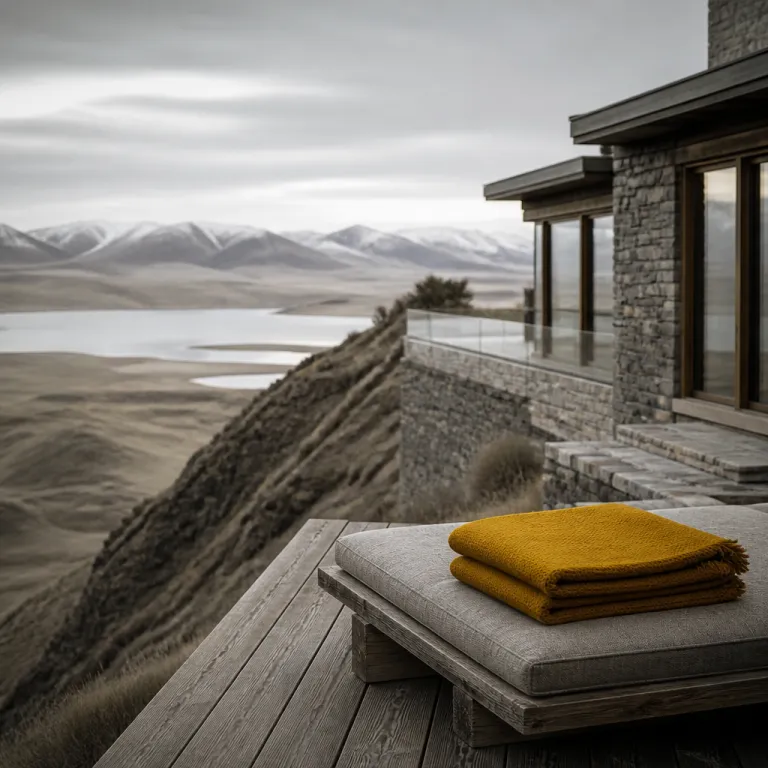
Why luxury is moving to the edges of China
Luxury hotel development in China is shifting from coastal hubs to frontier regions in Tibet, Qinghai, and Inner Mongolia. In these areas, a luxury hotel in Tibet, Qinghai, Inner Mongolia means waking to thin air, huge skies, and stunning views that no city can imitate. For travelers used to hotels in Beijing or Shanghai, this new frontier of luxury hotels demands a different mindset and a deeper respect for place.
Remote properties in Tibet and Qinghai sit at 3 000 meters or higher, so altitude shapes everything from architecture to service rhythms and even how you plan your travel hours. A stay at The St. Regis Lhasa Resort, for example, places you at around 3 650 meters in Lhasa city, with 162 rooms facing the Himalayas and the golden roofs of nearby temples and monasteries. That kind of elevation changes what you ask from a hotel, and it turns every walk to a monastery or temple into part of your Tibet travel acclimatization plan.
Inner Mongolia and the Qaidam Basin in Qinghai add another layer, where desert plateaus replace high passes and the horizon becomes your main attraction. Properties like Lonely Space (Gobi) Wild Luxury Hotel and Da Qaidam Xingji Wilderness Luxury Hotel sit in an area that feels almost extra terrestrial, yet they still deliver top notch comforts and highly praised service. This is where the phrase luxury hotel Tibet Qinghai Inner Mongolia stops being a search term and becomes a very specific kind of experience built around silence, distance, and cultural heritage.
Lhasa’s high altitude luxury: palaces, monasteries, and oxygen on demand
Lhasa remains the top gateway for Tibet travel, and it is where many travelers first test what high altitude luxury really feels like. The St. Regis Lhasa Resort anchors the city’s luxury hotels scene, pairing Himalayan panoramas with a location that keeps you close to the old city center and its sacred sites. From here, you can walk or take a short tour to the Potala Palace, Sera Monastery, and the best preserved lanes of the ancient city without sacrificing comfort.
Rooms at this Lhasa hotel are designed with altitude in mind, with oxygen available on request and layouts that encourage slow mornings before you visit a monastery or temple. Many guests time their travel hours around the light on Potala Palace, chasing that perfect panoramic view from the hotel’s terraces or from nearby rooftops in the city. When you step out, the route between the palace, the old city, and Sera Monastery becomes a living travel guide to Tibetan cultural heritage rather than a checklist of monuments.
Inside the resort, restaurants serve both international menus and carefully prepared day food that respects local ingredients and altitude sensitive digestion. Staff are trained to advise on how quickly to move, when to rest, and how to pace your Tibet travel so that the thin air enhances rather than undermines your stay. For many solo explorers, this balance between proximity to the city center and controlled exposure to altitude is what makes a luxury hotel in Tibet, Qinghai, Inner Mongolia feel both safe and thrilling.
For travelers considering extending their highland journey beyond Lhasa, the same mindset applies in Yunnan’s Tibetan regions, and you can see how this plays out in depth in our guide to elevated luxury stays in Shangri La city.
Qinghai’s wilderness hotels: Mars landscapes and Gobi silence
Move north from Tibet into Qinghai and the idea of a luxury hotel in Tibet, Qinghai, Inner Mongolia takes on a more experimental edge. Around Golmud and Haixi Prefecture, hotels sit in the Qaidam Basin, where Yardan formations and salt flats create landscapes that feel closer to Mars than to central China. Lonely Space (Gobi) Wild Luxury Hotel, rated 9.2 out of 10 on major booking platforms, is a prime example of how wilderness and comfort can coexist.
This property offers a Yardan villa perched on a cliff with 360 degree panoramic views over the basin, turning every sunrise and sunset into a private show. Da Qaidam Xingji Wilderness Luxury Hotel, also in Haixi Prefecture, leans into a Mars themed concept, with rooms designed to frame the desert and night sky rather than distract from them. Both hotels use local materials and low profile architecture so that the buildings sit quietly in the area, allowing the surrounding desert to remain the real star.
Guests here are not chasing palaces or monasteries ; they are chasing silence, stars, and the feeling of being far from any city. Many combine these stays with curated outdoor experiences, and our feature on highland adventure focused hotels in Yunnan shows how this frontier style of hospitality is spreading across western China. In Qinghai, day food tends to be hearty and simple, with restaurants and hotel kitchens focusing on warmth and energy rather than elaborate tasting menus, which suits the climate and the solo traveler’s need for straightforward nourishment.
From a practical perspective, you must plan travel hours carefully, because these hotels sit far from major cities like Beijing or Shanghai and transfers can be weather dependent. The reward is a version of luxury hotels where the most valuable amenity is not a spa, but the ability to step outside your room into total quiet and look up at a sky unspoiled by urban light.
Inner Mongolia’s steppe and desert: redefining the horizon line
Inner Mongolia extends the idea of a luxury hotel in Tibet, Qinghai, Inner Mongolia into grassland and desert, where the horizon stretches for hundreds of kilometers. Here, hotels are often smaller in room count but generous in space, giving each guest a wide buffer of privacy and uninterrupted stunning views. The focus shifts from monasteries and palaces to the rhythm of nomadic culture, horse herding, and the play of light over dunes or steppe.
While Inner Mongolia lacks icons like Potala Palace or the Forbidden City, it compensates with a different kind of cultural heritage rooted in music, oral history, and seasonal movement. Many luxury hotels in this region partner with local communities to stage small scale performances, guided rides, and visits to family run camps that feel more intimate than a standard tour. For solo travelers, this creates a rare chance to engage with hosts one on one, often over shared day food in a ger style dining room rather than in formal restaurants.
From a logistics standpoint, Inner Mongolia sits closer to major hubs than Tibet or Qinghai, making it a compelling first step into remote luxury for those used to hotels in Beijing or Shanghai. You might fly into a regional city, spend a night in one of the highly praised hotels Beijing offers near the city center, then continue onward to the steppe the next morning. By the time you reach your desert hotel, the phrase luxury hotels has come to mean heated floors under your tent, a private firepit, and a staff trained to balance privacy with attentive, top notch service.
Many properties here also emphasize low impact construction and renewable energy, reflecting the broader growth of eco friendly luxury accommodations across China. That environmental focus matters when you are standing alone on a dune at dusk, realizing that the very remoteness you came for depends on careful stewardship.
Culture, wellness, and the ethics of remote luxury
Staying in a luxury hotel in Tibet, Qinghai, Inner Mongolia raises a question that every thoughtful traveler should consider ; how do you enjoy five star comfort without eroding the remoteness and culture that make these places special. In Lhasa, that tension plays out in how hotels frame access to Potala Palace, Sera Monastery, and the old city, encouraging respectful visits rather than rushed photo stops. A well curated travel guide will nudge you toward quieter hours, lesser known temples, and conversations with local guides who can explain the layers of history behind each monastery wall.
Sites like Potala Palace and the surrounding ancient city streets are among the best preserved ensembles of Tibetan architecture, and they deserve more than a quick tour. The same is true for Labrang Monastery in Gansu, which often features in extended Tibet travel itineraries that loop through Qinghai and the Amdo region. When hotels and travelers treat these places as living centers of practice rather than museum pieces, cultural heritage stands a better chance of surviving the pressures of tourism.
Wellness at altitude also looks different from spa culture in Shanghai or Beijing, where hotels Beijing side might focus on urban stress relief and skyline pools. In Lhasa and Qinghai, wellness can mean oxygen enriched rooms, herbal infusions drawn from Traditional Tibetan medicine, and staff trained to recognize early signs of altitude sickness. Many properties advise guests to spend their first day moving slowly, eating light day food, and limiting alcohol so that the body can adapt to the thin air.
Beyond Tibet, remote hotels across China are also building more structured outdoor programs, from guided stargazing in desert regions to lake kayaking in southern karst landscapes, as explored in our feature on outdoor adventures that Chinese hotels now design for guests. These experiences, when run with local partners, can turn a stay into a meaningful exchange rather than a one way extraction of scenery and stories.
Planning your own edge of the world itinerary
Designing an itinerary that links a luxury hotel in Tibet, Qinghai, Inner Mongolia requires more planning than a simple Beijing Shanghai circuit. You need to think in terms of altitude steps, travel hours, and how many days your body needs to adjust between each city or area. A common pattern is to start in Beijing, perhaps with a night near the Forbidden City where hotels Beijing side offer easy access to Qing dynasty sites, then fly onward to Lhasa or Xining.
From there, you can build a loop that combines city and wilderness, palace and desert, monastery and steppe. One route might pair The St. Regis Lhasa Resort with a few nights in Qinghai’s Qaidam Basin, then finish in Inner Mongolia for a softer landing before returning to Shanghai or Beijing. Along the way, you will notice how your expectations of luxury hotels shift ; by the time you reach the desert, a hot shower, a clear panoramic view, and a quiet dining room serving simple day food may feel more luxurious than any palace suite.
Practical preparation matters as much as property selection, especially for solo travelers. Acclimate to high altitudes before arrival, check weather conditions for remote areas, and book in advance due to limited availability. As one set of hotel guidelines puts it without embellishment, “They offer high-end amenities like spas, fine dining, and cultural experiences.”, “Yes, but accessibility may vary due to weather conditions.”, “Many offer guided tours to local attractions and cultural sites.”
Those three sentences capture the promise and the caveat of this kind of travel ; you will find top notch comforts and highly praised service, but you must accept that nature still sets the final terms. If that balance appeals to you, then the phrase luxury hotel Tibet Qinghai Inner Mongolia is not just a search query, but the starting point for a journey that will recalibrate what the word luxury means.
FAQ
Are luxury hotels in Tibet, Qinghai, and Inner Mongolia open year round ?
Most luxury hotels in Tibet, Qinghai, and Inner Mongolia operate year round, but access can vary with weather and road conditions. High altitude regions around Lhasa and the Qaidam Basin may experience seasonal disruptions, especially during heavy snow or sandstorms. Always confirm transfer options and backup plans with your hotel before finalizing flights.
What amenities can I expect at remote luxury hotels in these regions ?
Remote luxury hotels typically offer spacious rooms, strong heating, and high quality bedding designed for cold nights. Many properties include spas, curated restaurants, and guided tour options to nearby cultural or natural sites. Some high altitude hotels also provide oxygen support, wellness consultations, and altitude friendly menus.
How should I prepare for the altitude in Lhasa and Qinghai ?
Plan to ascend gradually when possible, spending a night in a lower city before flying into Lhasa or Qinghai’s plateau. On arrival, keep your first day light, drink plenty of water, avoid alcohol, and choose simple day food rather than heavy meals. If you have heart or lung conditions, consult a doctor before travel and inform your hotel so they can support you appropriately.
Can I combine cultural visits with wilderness stays in one trip ?
Yes, many itineraries link cultural hubs like Lhasa, with its Potala Palace and Sera Monastery, to wilderness areas in Qinghai and Inner Mongolia. You can spend a few days exploring temples and monasteries in the city center, then move on to desert or steppe hotels for panoramic views and quiet nights. Working with a specialist travel guide or using a curated booking platform helps align transfers, altitude changes, and property availability.
Are these remote luxury stays suitable for solo travelers ?
Solo travelers are well served in these regions, especially at properties used to hosting independent guests. Staff at high end hotels are accustomed to arranging private tours, safe transfers, and flexible dining for one. The key is to choose hotels with strong communication, clear safety protocols, and a proven record of working with international visitors.